Humidity and Aircraft Cabin Care
How humid weather affects a closed aircraft cabin, why cleaning should not add more moisture than it removes, and when musty odors point past detailing.
NWA Aircraft Detailing Editorial · · 5 min read
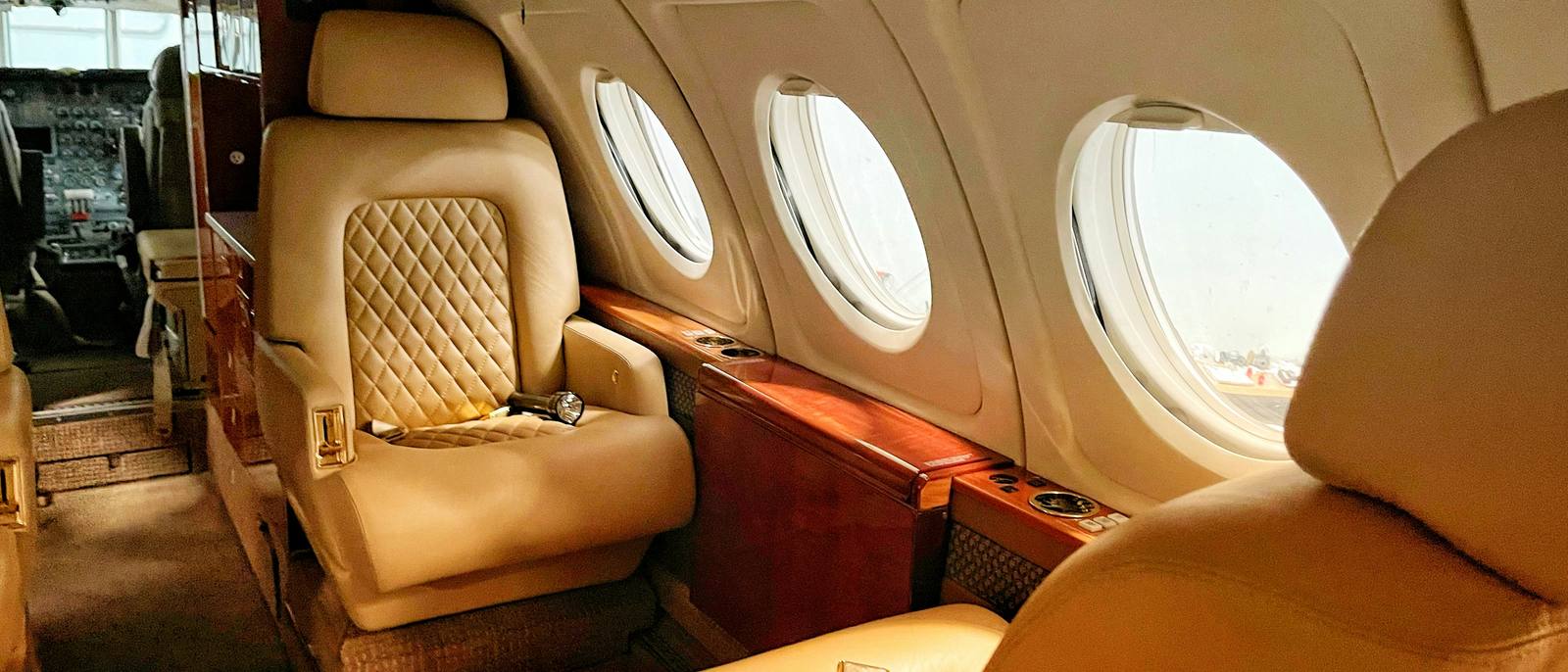
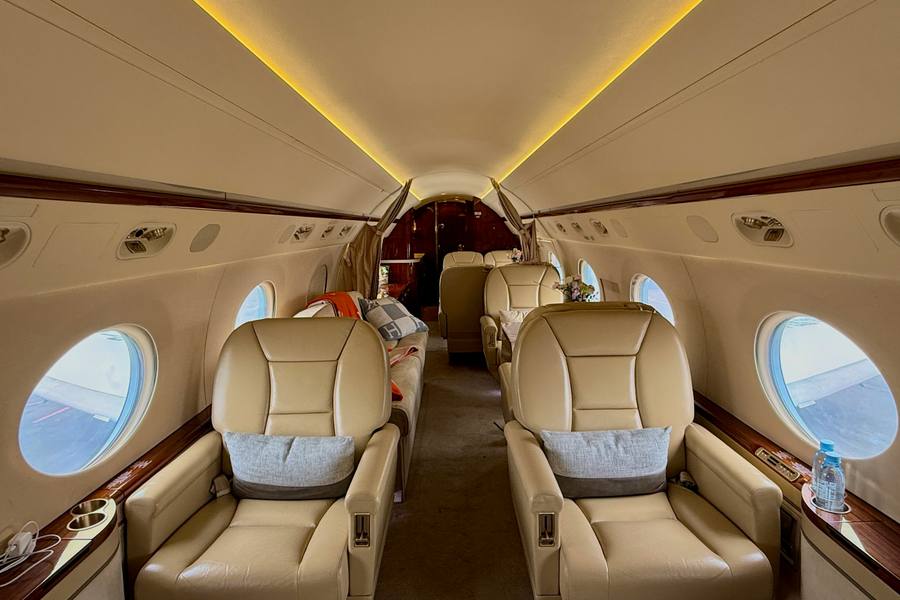
A closed aircraft cabin is a small, sealed space full of absorbent materials: carpet, upholstery, headliner, leather, and foam. In humid weather, moisture that gets into that space has few ways out, so cabin care in the warm months is as much about not adding moisture as it is about cleaning. Good practice is to clean with as little water as the job allows, give the cabin time to dry, and treat persistent musty odors or damp areas as a signal to involve whoever maintains the aircraft.
Why humidity matters in a cabin
Summers in Northwest Arkansas are typically warm and humid, and an aircraft that sits closed between flights traps whatever moisture is inside. That moisture comes from ordinary sources:
- Wet shoes, umbrellas, and jackets after flying in or out of rain
- Spilled drinks and ice from coolers
- Condensation when a cool cabin meets warm, humid air, or the reverse
- Wet cleaning that was not given enough drying time
- Water entering through a door seal, window, or other path
The EPA’s general guidance on moisture is written for homes, but the principles carry over to any enclosed space: the key to mold control is moisture control, condensation can be a sign of high humidity, and water-damaged areas and items should be dried within 24 to 48 hours to prevent mold growth. An aircraft cabin is not a house, and its materials and ventilation are very different, but the basic physics of damp fabric in a closed space are the same.
Cleaning should not make the problem worse
Interior detailing often involves some moisture: carpet extraction, upholstery cleaning, wipe-downs. In a humid season, the method and the drying plan matter as much as the cleaning itself.
The FAA’s Aviation Maintenance Technician Handbook makes a related point about cabin cleaning. It notes that water used on seat materials can leach fire retardant salts that may have been applied to reduce flame spread, that water carrying those salts can contribute to corrosion if it reaches aluminum seat frames and rails, and that care should be taken to apply only the necessary amount of water when cleaning seats. Manufacturer guidance follows similar lines. Cessna’s 172S information manual, as one example, cautions never to saturate fabric with a volatile solvent and describes foam-type cleaners for soiled upholstery and carpet.
In practical terms, a careful humid-season cabin detail tends to:
- Use low-moisture methods where they will do the job
- Avoid soaking carpet, seat cushions, or headliner
- Allow ventilation and drying time before the aircraft is closed up
- Follow the interior material manufacturer’s guidance for each surface
Our article on carpet and upholstery cleaning considerations goes into material differences in more depth.
Ventilation during and after cleaning
The FAA handbook also stresses ventilation during cabin cleaning, mainly because of vapors from cleaning agents in a small enclosure. It calls for cabin doors to be open to take advantage of natural ventilation, with mechanical ventilation where natural airflow is not enough. That same airflow helps moisture leave.
Scheduling affects this. A cabin cleaned late in the day and closed up immediately on a humid evening may stay damp much longer than one cleaned in the morning with doors open in a hangar. Before booking, ask where the work will happen and how drying will be handled. Facility rules about open doors, fans, and power access differ by airport and hangar, so these details should be confirmed per job.
Leather and other surfaces in humid weather
Leather, vinyl, and synthetic trims respond differently to heat and moisture. Leather in particular depends on cleaners and conditioners that suit its specific finish. Choosing products should follow the interior manufacturer’s guidance rather than a general rule, which is the subject of Caring for Aircraft Leather Without Guessing at Compatibility.
When a musty smell is more than a cleaning issue
A light stale odor after a closed-up week is common. A persistent musty smell, damp carpet that does not dry, visible spotting on fabric, or water stains on the headliner are different. They suggest moisture is getting in or staying in, and that needs a source.
| What you notice | Cleaning can help with | Needs owner or maintenance attention |
|---|---|---|
| Stale air after a closed week | Ventilation, vacuuming, surface cleaning | Usually nothing more |
| Odor after a spill | Prompt cleanup and drying | Nothing, if it dries fully |
| Recurring damp carpet | Drying and cleaning the visible area | Finding the water source (seals, drains, leaks) |
| Visible growth or spotting | Reporting it with photos | Assessment by the owner, maintenance, or an interior specialist |
| Water stains on headliner | Documenting the stain | Locating and repairing the leak |
Finding and fixing a leak, replacing seals, or removing panels is maintenance work for a certificated mechanic or repair station, not part of detailing. Detailing can document what it finds and clean what is accessible, but it cannot guarantee that an odor will not return if the source remains. Aircraft Cabin Odors: Cleaning Scope and Limitations covers this boundary.
Humidity and storage
Aircraft that sit for weeks in warm weather are the most exposed to cabin moisture problems. If you expect a long period without flying, it helps to have the cabin cleaned and fully dried before the aircraft sits, rather than after. Interior Care During Extended Aircraft Storage covers planning for that, including what to remove from the cabin.
A humid-season cabin checklist
- Remove wet items, coolers, and trash after each flight
- Blot spills promptly and let the area dry with doors open if possible
- Avoid closing up a damp cabin in a hot, humid hangar or tie-down
- Ask how any interior cleaning will be dried and how long it takes
- Note any recurring dampness, stains, or odors and pass them to whoever maintains the aircraft
Requesting cabin care in humid months
When you request a quote for interior detailing, mention the aircraft type, the cabin materials if you know them, where the aircraft is stored, and any odor or dampness you have noticed, with photos if possible. Knowing whether the work can happen in a hangar with doors open helps us plan drying time realistically. Facility access is subject to airport and hangar approval.
Sources
- A Brief Guide to Mold, Moisture and Your Home (U.S. Environmental Protection Agency)
- Aviation Maintenance Technician Handbook: General (FAA-H-8083-30B), Chapter 8, Interior Cleaning (Federal Aviation Administration)
- Cessna Model 172S NAV III Information Manual, Section 8: Cleaning and Care (Cessna Aircraft Company)
This article is general information about cosmetic aircraft care. It is not maintenance guidance. Your aircraft's manufacturer documentation and your maintenance provider take precedence.