Caring for Aircraft Leather Without Guessing at Compatibility
Why aircraft leather care starts with identifying the finish, which product types manufacturers warn against, and how to test before cleaning seats or trim.
NWA Aircraft Detailing Editorial · · 4 min read
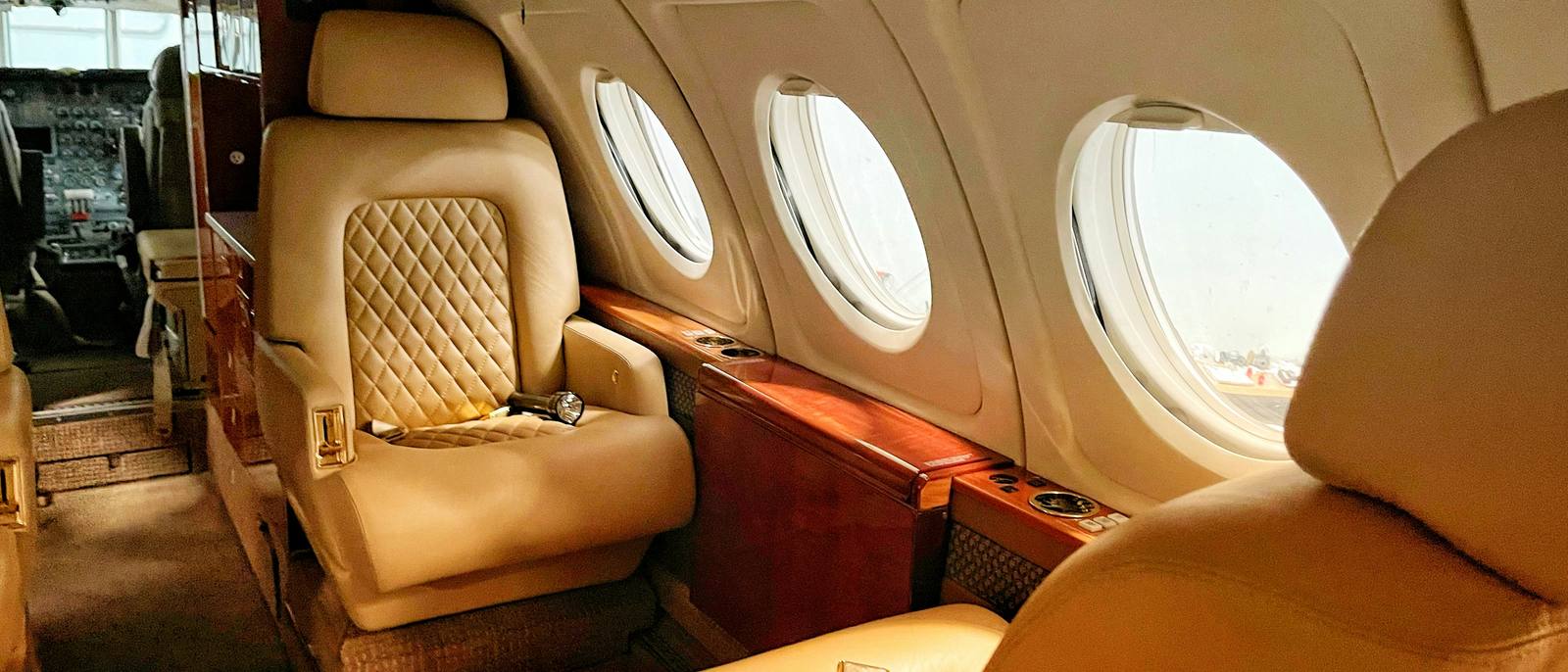
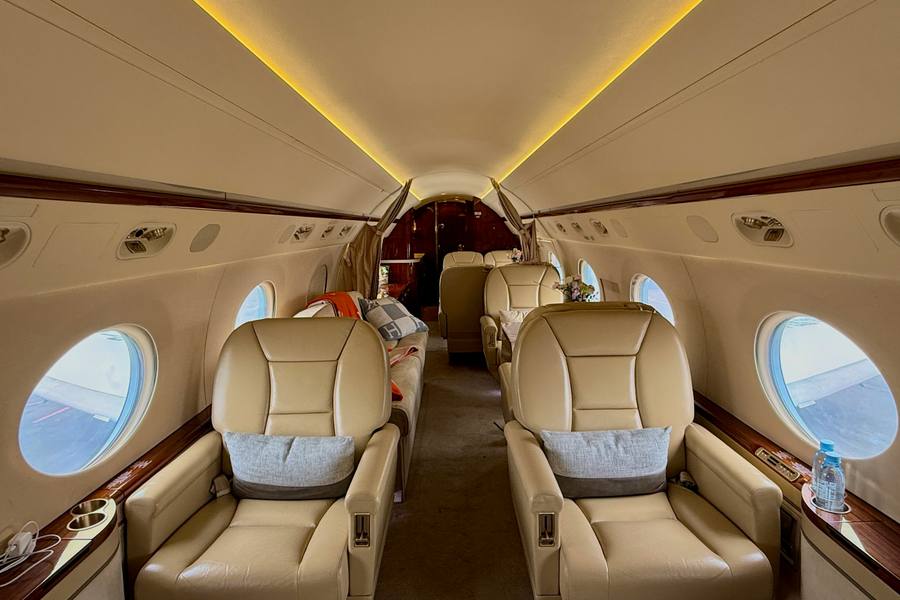
Aircraft leather is not one material. Seats may be finished leather with a protective topcoat, a less coated aniline-style hide, synthetic leather, or vinyl, and each responds differently to cleaners and conditioners. The safe approach is to identify the material, find the care guidance that applies to it, and test before treating a whole seat. Guessing, or reaching for a household wipe, is how topcoats get stripped and colors shift.
Why compatibility matters more in an aircraft
Cabin leather lives a harder life than most furniture. It sees temperature swings on the ramp, sun through cabin windows, and constant contact from passengers getting in and out. It is also expensive and slow to replace, because replacement involves an interior shop and, often, downtime.
Manufacturers have published unusually direct warnings about this. Bombardier links recent interior damage on its aircraft to non-approved cleaning products, equipment, and techniques, and it says alcohol-based products, including disinfectant wipes and sprays, should not be used on its leather passenger seats. According to Bombardier, alcohol can strip the protective topcoat, leading to stickiness, discoloration, fading, and early wear.
Duncan Aviation, which refurbishes business aircraft interiors, warns against silicone-based cleaners and conditioners on leather seats. It explains that repeated use can strip the top layer and leave discoloration or an unnatural gloss, and it recommends cleaners and conditioners that are pH-balanced and made from naturally derived materials.
Those are two sources describing their own experience and aircraft. They do not make a universal rule for every hide, but they show why compatibility cannot be assumed.
Step one: find out what the leather is
Before any product choice, gather what you can:
- Aircraft or completion documentation. Some manufacturers publish cabin grooming guides. Bombardier’s Cabin Interior Grooming Guide lists approved products and methods for each cabin material, and the company advises consulting it before cleaning any surface.
- Interior shop records. If the seats were recovered, the shop that did the work usually knows the hide supplier and finish. The supplier may publish care instructions.
- Appearance alone. Sheen, grain, and feel offer hints, but they are not reliable identification. Two seats that look alike can carry very different finishes.
- Synthetic materials. Vinyl and synthetic leathers have their own maker guidance and should not be assumed to tolerate leather products, or the reverse.
If nothing can be found, treat the material conservatively and say so in the scope of work.
Product types that manufacturers flag
The table below summarizes what the cited sources warn about. It is a guide to questions, not a substitute for your aircraft’s care documentation.
| Product type | Concern raised | Source |
|---|---|---|
| Alcohol-based wipes and sprays | Can strip topcoat; stickiness, discoloration, fading | Bombardier |
| Silicone-based cleaners and conditioners | Can strip top layer with repeated use; gloss and discoloration | Duncan Aviation |
| Corrosive or chlorine-based products | Bombardier lists leather among materials sensitive to them | Bombardier |
| Non-approved general cleaners | Linked to non-warrantable interior damage | Bombardier |
Notice that disinfecting is where a lot of damage starts. An owner trying to sanitize a cabin may grab the strongest wipe on hand. If a disinfecting step is part of the plan, Bombardier recommends testing disinfectants on inconspicuous areas of soft goods before applying them across the interior, and following the grooming guide and product directions.
Testing before treating
A small test is cheap insurance. A reasonable test practice looks like this:
- Choose a hidden area of the same material, such as the lower back of a seat or the underside of a cushion edge.
- Apply the intended product the way it would be used on the full surface, with the same cloth or tool.
- Let it dry fully and check for color transfer to the cloth, tackiness, gloss change, or texture change.
- Look again under cabin lighting and daylight before proceeding.
Color on the cloth during a test is a stop sign. It may indicate a finish that is wearing or a product that is too aggressive.
Cleaning and conditioning: frequency and restraint
More product is not better. Duncan’s warning about silicone overuse is a reminder that buildup and repeated aggressive cleaning cause problems of their own. For most coated leather, routine care is mostly gentle removal of dust, body oils, and spills with products suited to the finish, plus conditioning only if the material and its maker’s guidance call for it.
Seams and perforations deserve attention because debris collects there and liquid can soak through. Perforated leather in particular should not be saturated.
Damage is a repair question, not a cleaning one
Cracks, worn color at bolsters, scuffs that remove finish, and tears are not things cleaning fixes. Duncan Aviation describes spot dyeing leather and similar touch-ups as interior repair work done by trained technicians. A detailer can clean around damage and document it, but color restoration, re-dyeing, and recovering belong with an interior shop.
If you are preparing an aircraft for sale, this distinction matters: a clean, honestly documented seat is more useful to a buyer than a surface coated to hide wear. Our pre-sale aircraft detailing page discusses presentation without overstatement.
Leather in context
Leather sits next to carpet, veneer, plated trim, and headliner, and products that are fine on one can damage another. Overspray from a leather product onto veneer, or a carpet product wicking into seat bases, is a real concern. See our guides on what an interior detail includes, carpet and upholstery cleaning, and cabin care for frequently used business aircraft.
Asking for a leather-focused quote
When requesting aircraft interior detailing with leather in mind, include the make and model, number of seats, any known hide or finish information, recovery dates or shop name, a list of products used on the seats in the past, and photos of worn or stained areas. That lets the scope be built around your materials. Send the details through the quote request form.
Sources
- Protecting your aircraft interior: The Cabin Interior Grooming Guide is your first reference (Bombardier Full Throttle)
- Interior grooming guide and disinfection procedures (Bombardier Full Throttle)
- Four Ways to Improve Your Aircraft's Interior (Duncan Aviation)
This article is general information about cosmetic aircraft care. It is not maintenance guidance. Your aircraft's manufacturer documentation and your maintenance provider take precedence.