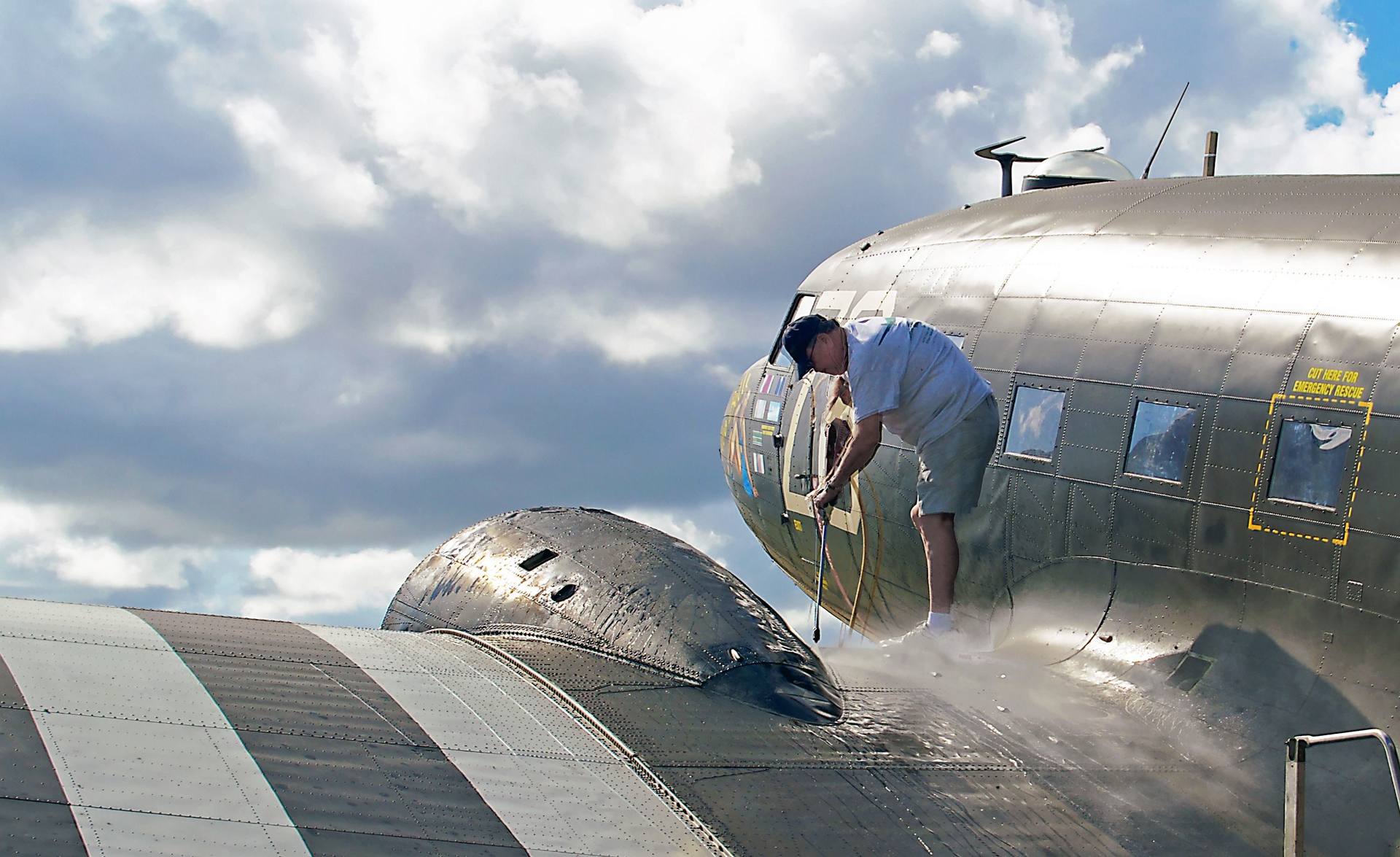
Exterior
Exterior Aircraft Cleaning
Careful exterior cleaning that respects what an aircraft is: painted and bare metal surfaces, transparencies, seals, and openings that need to be treated differently from a car.
What exterior cleaning covers
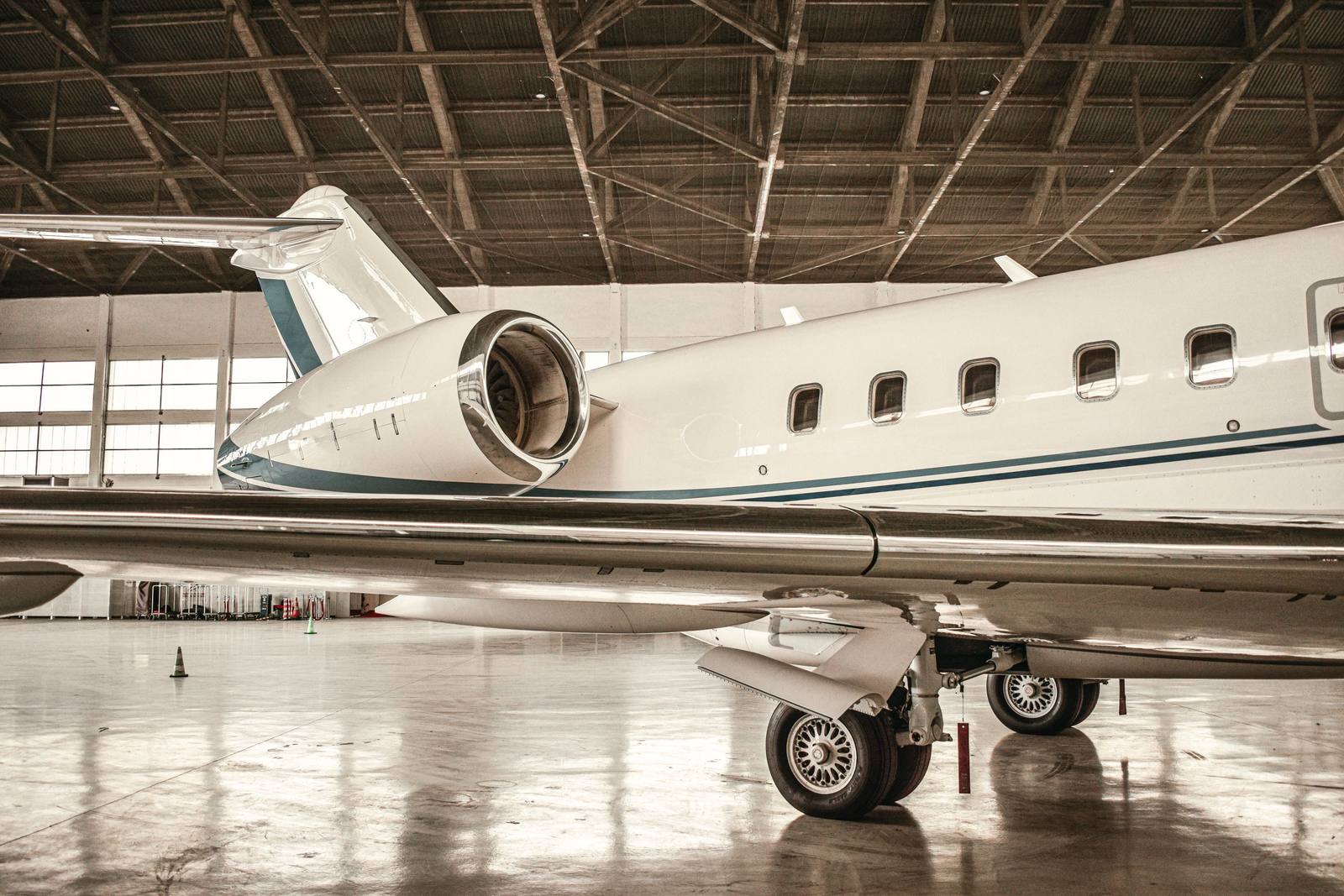
Exterior cleaning removes the everyday film that builds up on an aircraft: dust, pollen, insect residue on leading edges, exhaust staining and belly grime. The goal is a clean, even finish without introducing scratches, residue or water where it does not belong.
The exact scope is agreed before work begins. A light wash on a hangared aircraft and a first clean after months outdoors are very different jobs, and the quote should say which one you are getting.
- Fuselage, wings, empennage and control surface skins
- Leading edges, including insect residue
- Belly and lower fuselage, where exhaust and oil film collect
- Wheel fairings and landing gear surfaces within reach, cosmetically only
- Exterior transparencies, using methods suited to the material
Methods depend on the aircraft and the site
Some aircraft and locations suit a traditional wash. Others are better served by dry-wash or low-water methods, especially where an airport restricts water use or runoff. Neither is universally better. The right choice depends on how soiled the aircraft is, the finish, and what the facility allows.
Products and techniques follow the aircraft manufacturer's published care guidance and the paint or material manufacturer's recommendations where they exist. When documentation for a specific aircraft is not available, the work stays conservative and the limitation is discussed with you first.
Sensitive areas are protected, not improvised around
Pitot tubes, static ports, sensors, vents, drains, antennas, seals and control surface gaps are identified before cleaning starts. Covers and plugs are used as the owner or operator directs, and every protective item placed on the aircraft is accounted for and removed before handoff.
Where
Request exterior cleaning at your airport.
Service may be requested at these airports, subject to approval by the airport and facility and to availability.
Questions
About exterior cleaning.
Do you wash aircraft with water or use a dry wash?
It depends on the aircraft, how soiled it is, and what the airport or facility allows. Both approaches have a place. The method is discussed and agreed before the work is scheduled.
Can exterior cleaning be done on the ramp?
Possibly. Ramp and hangar access depend on the airport, the FBO or hangar owner, and their rules for outside service providers. Each location has to be confirmed individually before a job is booked.
Will cleaning remove oxidation or swirl marks?
Cleaning removes surface soil. Oxidation and swirl marks are paint condition issues that call for a separate assessment, and correction work is a different scope from cleaning.
From the journal
Read before you book.
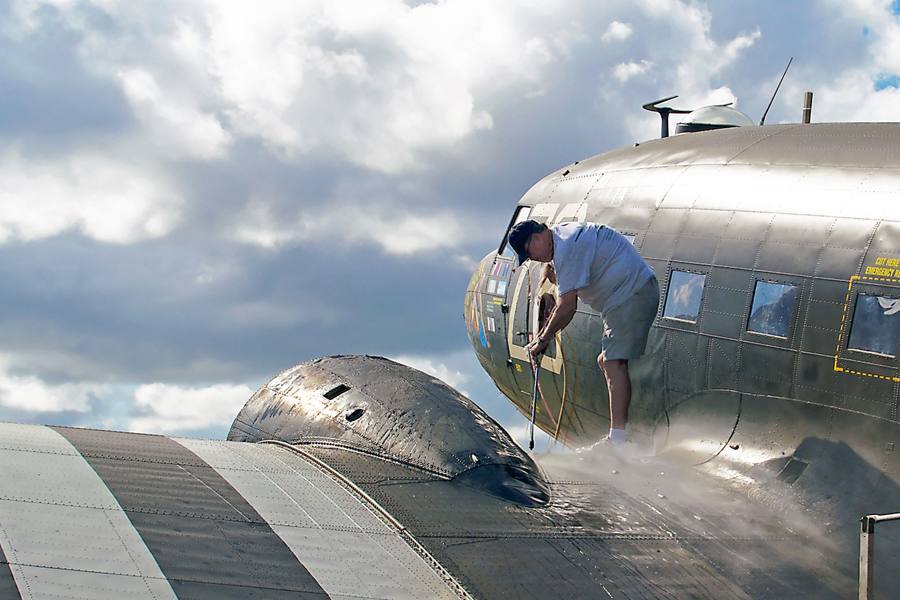
Aircraft Washing and Detailing: What Is the Difference?
A wash removes soil from the exterior. A detail is a broader, deliberate scope. How the two differ in purpose, areas covered, and the questions to settle first.
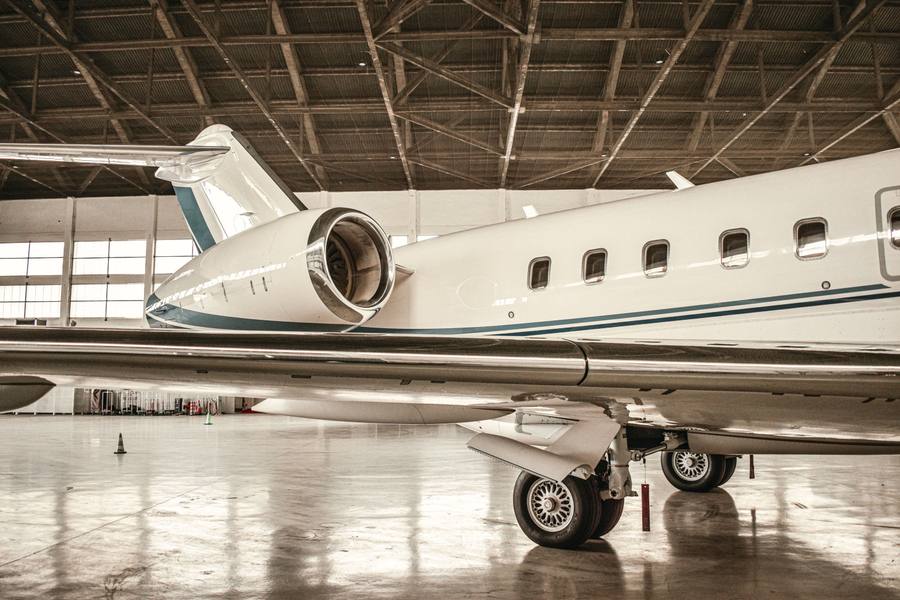
What Aircraft Owners Should Know About Dry-Wash Methods
How the FAA describes dry washing, what it suits and what it does not, why grit and product compatibility matter, and when a wet wash is the better choice.
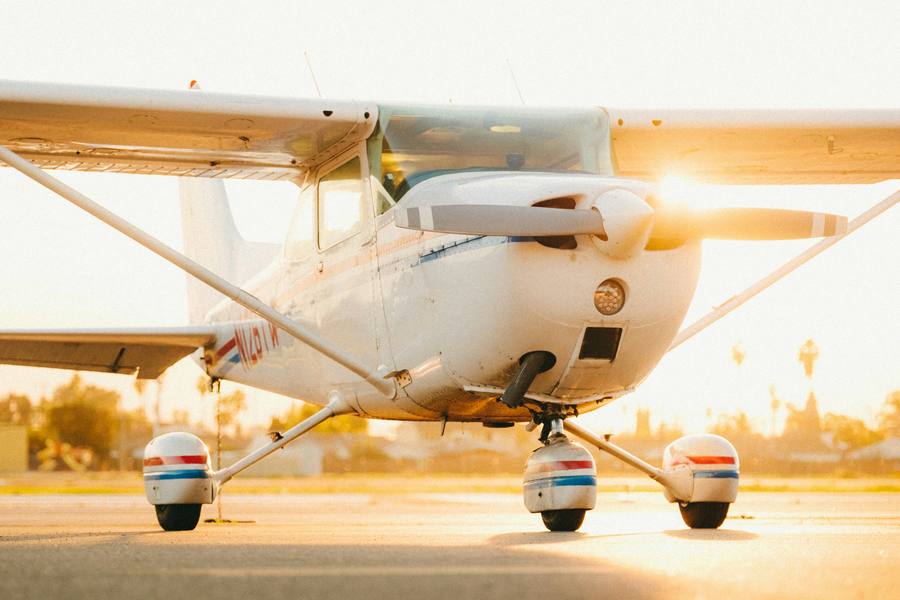
Understanding Aircraft Belly Grime
Why the underside of an aircraft collects oil, exhaust residue, and runway grime, what FAA guidance says about it, and which findings belong with a mechanic.
Request a quote
Tell us about your aircraft.
Share the make and model, where it is kept, and what you would like done. We will review the details and reply to discuss scope, access and timing.