Aircraft Cabin Odors: Cleaning Scope and Limitations
Which aircraft cabin odors cleaning can address, which point to leaks, moisture, or exhaust that need a mechanic, and why masking a smell is the wrong start.
NWA Aircraft Detailing Editorial · · 4 min read
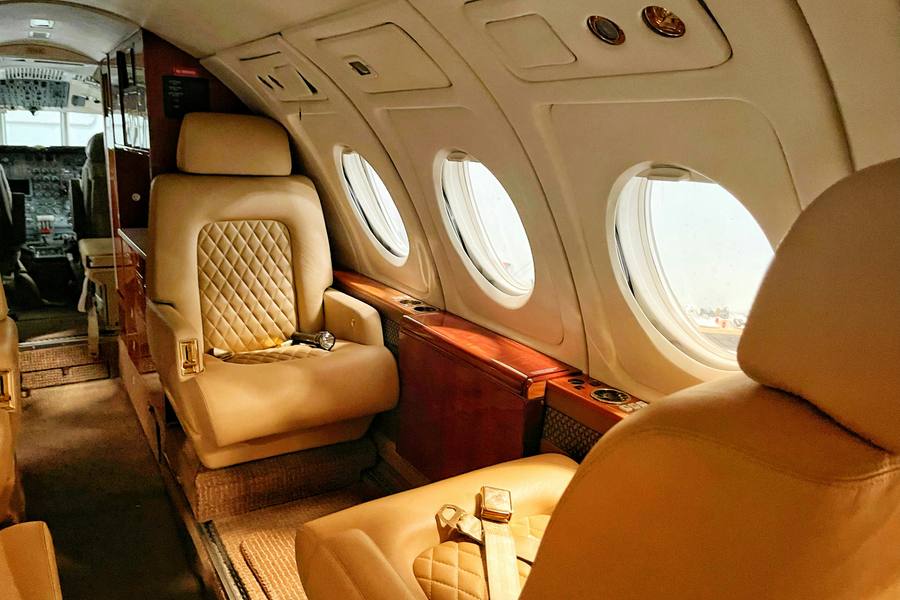
Cleaning can address odors that come from residue on surfaces: spilled food and drink, sweat and body oils in seats, trash, pet hair, or dirt tracked in from the ramp. It cannot fix odors that come from a source inside the aircraft, such as an exhaust leak, a fuel or fluid seep, or water intrusion feeding mildew. Those need diagnosis by a certificated mechanic before any cleaning, because removing or masking the smell can hide a problem that matters.
Start by asking where the smell comes from
An odor is information. The first question is not “what will remove this?” but “what is producing it?” A rough sorting:
| Odor character | Common cosmetic sources | Possible non-cosmetic sources | Who should look first |
|---|---|---|---|
| Stale food, coffee, trash | Spills in carpet, seat seams, cupholders, galley | Rarely anything else | Detailer |
| Body odor, sweat | Seat fabric, headrests, headsets | Rarely anything else | Detailer |
| Musty, damp | Wet carpet from a spill or boots | Water intrusion through seals or drains, condensation, mildew in padding | Owner or mechanic, then detailer |
| Fuel | Fuel on shoes or gear brought aboard | Fuel system leak or seep | Mechanic |
| Exhaust, burning, or hot odors | Rarely cosmetic | Exhaust or heater system issue, electrical issue | Mechanic, immediately |
| Hydraulic or oily | Rarely cosmetic | Brake or hydraulic fluid leak | Mechanic |
The middle column is what a detail can reasonably target. Anything in the right column belongs with the owner, operator, and a certificated mechanic or repair station.
Exhaust and heater odors are a safety matter
This is the most important limit. The FAA’s pilot safety brochure on carbon monoxide explains that carbon monoxide is colorless and odorless by itself, but because it is a by-product of combustion it is frequently associated with other gases that do have an odor. The brochure advises that any unusual cabin smell or sensation of illness should call for immediate troubleshooting, and that the aircraft should be inspected by a certified mechanic before the flight continues.
FAA Advisory Circular 20-32B, on carbon monoxide contamination, likewise notes that CO is usually mixed with fumes that can be detected by sight or smell, and it describes inspection of cabin heating and exhaust systems along with operational CO detection tests.
What that means for detailing:
- An exhaust smell is not an odor-removal job. Deodorizing a cabin that smells of exhaust could remove the one warning an occupant would notice.
- If an exhaust or burning smell is reported, or noticed during cleaning, the detailer should stop work in that area and tell the owner.
- The FAA brochure also discusses carbon monoxide detectors. Choosing and installing those is an owner and maintenance decision.
Musty odors usually mean moisture
A musty or mildew smell almost always points to moisture somewhere. The EPA’s general mold guidance states that the key to mold control is moisture control, that cleanup should be paired with fixing the water source or the problem will likely return, and that absorbent materials like carpet may have to be thrown away if they become moldy. The EPA also lists moldy odors as a sign that cleanup is not finished.
In an aircraft, possible moisture sources include:
- Rain entering through door or window seals, or a cracked transparency seal.
- Blocked drains or condensation, especially on aircraft parked outdoors.
- Spills that soaked into padding beneath carpet.
- Storage in humid conditions with the cabin closed up.
Finding and fixing a leak or blocked drain is maintenance. Once the source is addressed, cleaning can help with the residue, but porous materials that have grown mold may need replacement by an interior shop rather than cleaning. For more on how regional humidity plays in, see humidity and aircraft cabin care. Storage-related musty smells are covered in interior care during extended storage.
Fuel and fluid odors
A fuel smell in the cabin can come from fuel on someone’s boots or gear. It can also come from the aircraft. Because a detailer cannot tell those apart with confidence, persistent fuel, oil, or hydraulic odors should be reported to the owner for a mechanic to evaluate. Stains with an oily look near floor seams or the base of the panel deserve the same treatment. Our carpet and upholstery article touches on stains that should not be treated as simple spills.
What cleaning can reasonably do
For odors that truly come from surface residue, a thorough interior detail can help by removing the material that holds the smell:
- Removing trash and debris from seat tracks, side pockets, and under seats where reachable.
- Cleaning seats, carpet, and headliner with methods suited to each material.
- Wiping hard surfaces, cupholders, and storage compartments.
- Cleaning headsets’ exterior surfaces where the owner wants that included.
- Ventilating the cabin during and after cleaning, as facility conditions allow.
Results depend on how long the residue has been there and how deep it has gone into padding. Some odors fade over days as the cabin airs out. Some persist because the source was never cosmetic.
Why masking is the wrong first step
Fragrances, odor bombs, and heavy deodorizers are tempting, but they create three problems. They can cover a smell that signals a maintenance issue. They leave residues on materials whose makers may not have approved them. And they add another smell into a closed cabin that passengers may not want. Before any odor treatment product is used, check it against the aircraft and interior material guidance, and confirm with the owner.
Requesting help with a cabin odor
If you are considering aircraft interior detailing for an odor, describe the smell, when it is strongest (on the ground, in flight, with the heater on, after rain), how long it has been present, and whether a mechanic has already looked. If exhaust, fuel, or burning is a possibility, please have it inspected first. Then send the details through the quote request form, and we will talk through what cleaning can and cannot address.
Sources
- Carbon Monoxide: A Deadly Menace (Federal Aviation Administration)
- Advisory Circular 20-32B, Carbon Monoxide (CO) Contamination in Aircraft, Detection and Prevention (Federal Aviation Administration)
- A Brief Guide to Mold, Moisture and Your Home (U.S. Environmental Protection Agency)
This article is general information about cosmetic aircraft care. It is not maintenance guidance. Your aircraft's manufacturer documentation and your maintenance provider take precedence.