Aircraft Carpet and Upholstery Cleaning Considerations
How fiber type, fire-treated fabrics, moisture limits, and installed materials shape aircraft carpet and upholstery cleaning, and what owners should ask first.
NWA Aircraft Detailing Editorial · · 4 min read
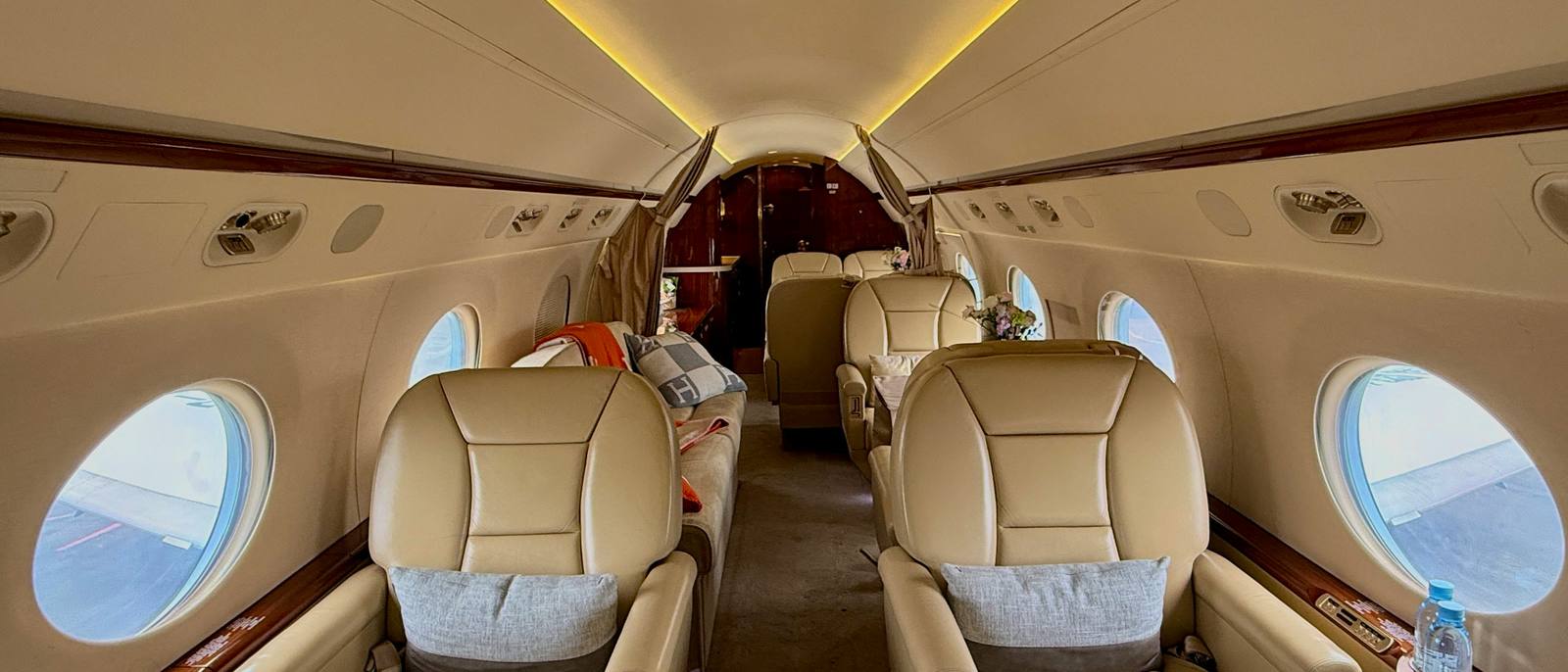
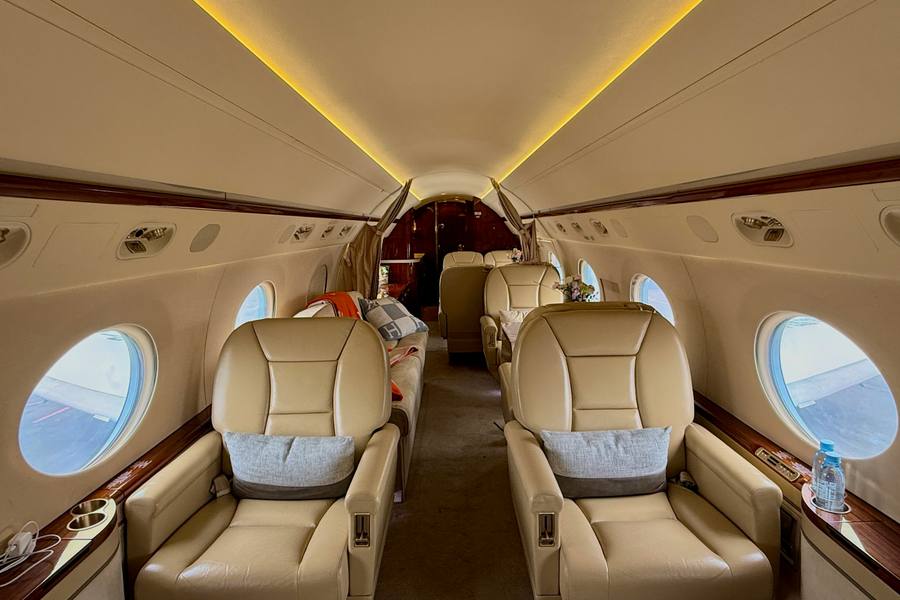
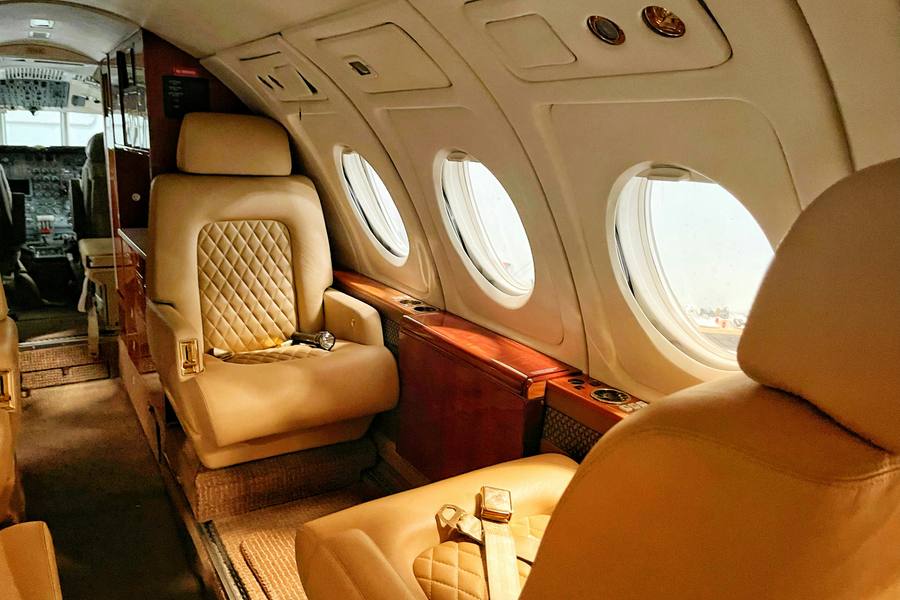
Aircraft carpet and upholstery are cleaned in place, inside a confined cabin, on materials that were selected partly for flammability performance. That changes the approach compared with a car or a living room. The main considerations are fiber type, how much moisture the material and the structure beneath it can tolerate, whether fabrics carry a fire treatment, and what the aircraft or interior manufacturer recommends.
Start with what the materials are
Aircraft carpets range from durable nylon in training aircraft to wool, wool blends, and silk-content rugs in business cabins. Seat fabrics, sidewall cloth, and headliners vary just as widely.
Fiber type matters for equipment as well as chemistry. Bombardier states that cyclonic and beater bar vacuums are not suitable for carpets containing silk fibers, because they can cause fiber pulls, distortion, and fading. Duncan Aviation says cleaning wool or silk carpets in an aircraft requires extra care and recommends using a carpet cleaner who understands the specific materials.
Good sources for material identification:
- The aircraft’s care or grooming documentation, if the manufacturer publishes one.
- The completion center or interior shop that installed or replaced the carpet and fabrics.
- Labels or records kept with the aircraft’s interior paperwork.
Fire treatments and flammability standards
Materials in aircraft cabins are subject to certification flammability requirements. For normal category airplanes, 14 CFR 23.2325 addresses fire protection, including requirements for materials in occupied compartments. Transport category aircraft have their own standards.
For cleaning, the practical consequence is caution. Some fabrics have treatments that cleaning methods can affect, and manufacturers may restrict how those fabrics are cleaned. Bombardier states that water must not be used to clean fire-treated fabrics on its aircraft. Your aircraft may have different materials and different guidance, which is the point: ask before assuming a wet method is acceptable.
Adding treatments such as fabric protectors or deodorizing coatings to cabin materials is a question for the aircraft manufacturer, the material maker, or a qualified interior shop, not something to apply by default. Whether a material still meets its certification basis after alteration is a maintenance and certification question, outside the scope of detailing.
Moisture: the limiting factor
Even when a carpet tolerates water, the aircraft underneath may not welcome it. Carpets typically sit over padding and floor panels, and what lies below varies by aircraft. Over-wetting can leave moisture trapped where it dries slowly and cannot be seen.
The EPA’s general guidance on mold notes that the key to mold control is moisture control, and that absorbent materials like carpet may have to be discarded if they become moldy. That guidance is written for homes, but the principle carries into a closed cabin: avoid introducing more moisture than the material and space can release.
Practical moisture questions for any carpet or upholstery cleaning:
- What method is planned (dry, low-moisture, extraction), and why does it suit this material?
- How will drying be handled, and how long should the aircraft stay open or ventilated before closing up?
- Is the work happening in a hangar or outdoors, and what is the weather doing? Facility access and conditions are confirmed per airport and per job.
- Will anything be applied to sidewalls or headliner, which are often bonded with adhesives?
Installed versus removable
Many carpets are installed and cleaned in place. Removable floor mats and runners are easier and can be handled separately. Removing installed carpet, seats, or sidewall panels to clean underneath is not a detailing task. If something needs to come out, that decision and the work belong to the owner, operator, or a certificated mechanic or repair station, consistent with the aircraft’s maintenance documentation.
Stains: setting expectations
Stains in aircraft carpet tend to come from the same sources: coffee, food, mud and fuel-stained footwear from the ramp, and spills near galleys and seats. Some lift with appropriate care. Others have set, bleached the dye, or reacted with an earlier cleaner and will not fully come out.
A few honest points:
- Not every stain is a cleaning problem. A stain that reappears, spreads, smells like fuel or hydraulic fluid, or sits near a floor seam may indicate a leak or water intrusion. That needs maintenance attention, and our article on cabin odors discusses why.
- Aggressive spot treatment can create a clean spot that looks worse than the surrounding carpet.
- Results depend on material age, previous treatments, and the stain itself, so they cannot be promised.
Upholstery beyond the seats
Upholstery includes sidewall fabrics, headliners, armrests, and drink-ledge coverings. Headliners deserve particular care because they may be fabric bonded to a backing, and excess moisture can risk water marks or weakened bonds. Gentle dry methods and spot work are usually the starting point here, guided by the material maker.
Where seats are leather rather than fabric, see caring for aircraft leather. For the overall scope of a cabin cleaning, see what is included in an aircraft interior detail. Regional humidity also affects drying and odor, which is covered in humidity and aircraft cabin care.
What to send with a carpet or upholstery quote request
For aircraft interior detailing focused on carpet and fabrics, include the make and model, carpet and fabric types if known, the installer or completion center, photos of stained or worn areas, any care documentation, and where the aircraft is based and whether hangar time is available. Note any past spills you know the source of. You can send it all through the quote request form.
Sources
- Protecting your aircraft interior: The Cabin Interior Grooming Guide is your first reference (Bombardier Full Throttle)
- Four Ways to Improve Your Aircraft's Interior (Duncan Aviation)
- 14 CFR 23.2325, Fire protection (Legal Information Institute, Cornell Law School)
- A Brief Guide to Mold, Moisture and Your Home (U.S. Environmental Protection Agency)
This article is general information about cosmetic aircraft care. It is not maintenance guidance. Your aircraft's manufacturer documentation and your maintenance provider take precedence.