Interior Care During Extended Aircraft Storage
How to prepare an aircraft cabin before extended storage, what to watch during the downtime, and how to approach interior cleaning when the aircraft returns.
NWA Aircraft Detailing Editorial · · 5 min read

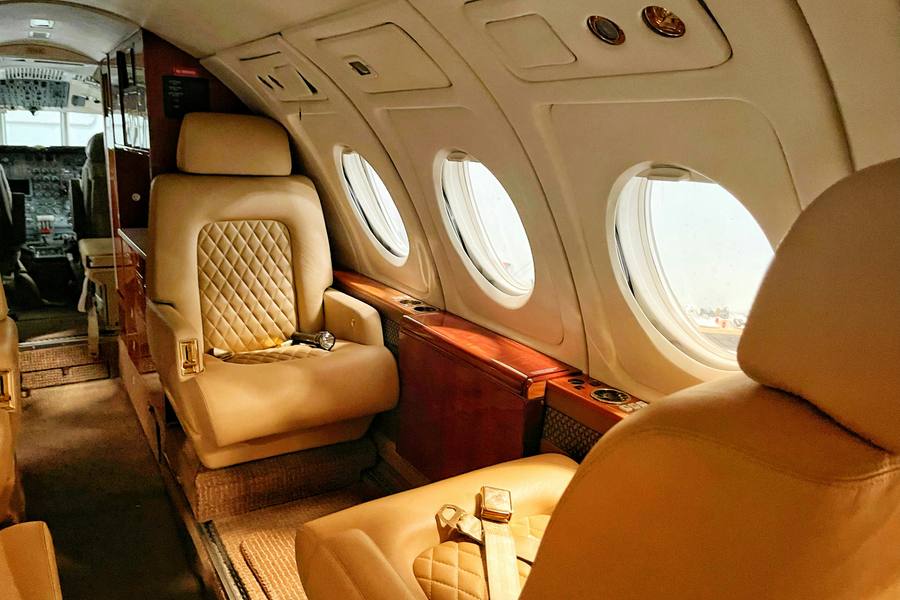
An aircraft cabin that sits closed for weeks or months faces three main risks: moisture that leads to musty odors or mildew, pests attracted to food residue or shelter, and sun damage if the aircraft is parked outside. Interior care for storage comes down to cleaning out what attracts trouble before the downtime, checking the cabin during it, and cleaning carefully when the aircraft comes back. The aircraft’s own storage and preservation procedures, which are a maintenance matter, come first.
Storage preservation is maintenance, not detailing
Preparing an aircraft for extended storage usually involves engine preservation, battery management, covers and plugs for openings, and inspections on return. Those tasks belong to the owner, operator, and a certificated mechanic, following the manufacturer’s maintenance documentation. Airbus, writing about its parked airliner fleet, put it simply: maintenance tasks exist to prepare an aircraft for parking and storage and to return it to service, and those should always be followed.
Detailing fits around that work. It addresses the cabin’s cosmetic condition and cleanliness, not preservation of systems.
Before storage: take out what attracts trouble
The most useful interior step before storage is a thorough clean-out. Airbus notes that measures should be taken to clean the cabin, galleys, and cargo areas when aircraft are parked. For a business or personal aircraft, that means:
- Remove all food and drink, including snacks in side pockets, galley stock, and anything in coolers or drawers.
- Remove trash and paper, which can become nesting material.
- Clean up spills and crumbs from seat seams, tracks, and carpet where reachable.
- Take out personal items and textiles that do not need to stay, such as blankets, pillows, and spare clothing.
- Leave surfaces dry. Avoid any wet carpet or fabric cleaning right before closing the aircraft up unless there is time for complete drying.
A full interior detail before storage handles this systematically and leaves a documented starting condition.
Moisture and musty odors
A closed cabin can trap humidity. Airbus observed that heavy rain and high humidity can cause mildew inside parked aircraft, and that sealing has to be done in a way that still allows evaporation to prevent mold. The EPA’s general guidance on mold says the key to mold control is moisture control, and that absorbent materials like carpet may have to be discarded if they become moldy. That EPA guide is written for homes, but the principle holds in a cabin.
Practical, non-mechanical steps owners often discuss with their maintenance provider:
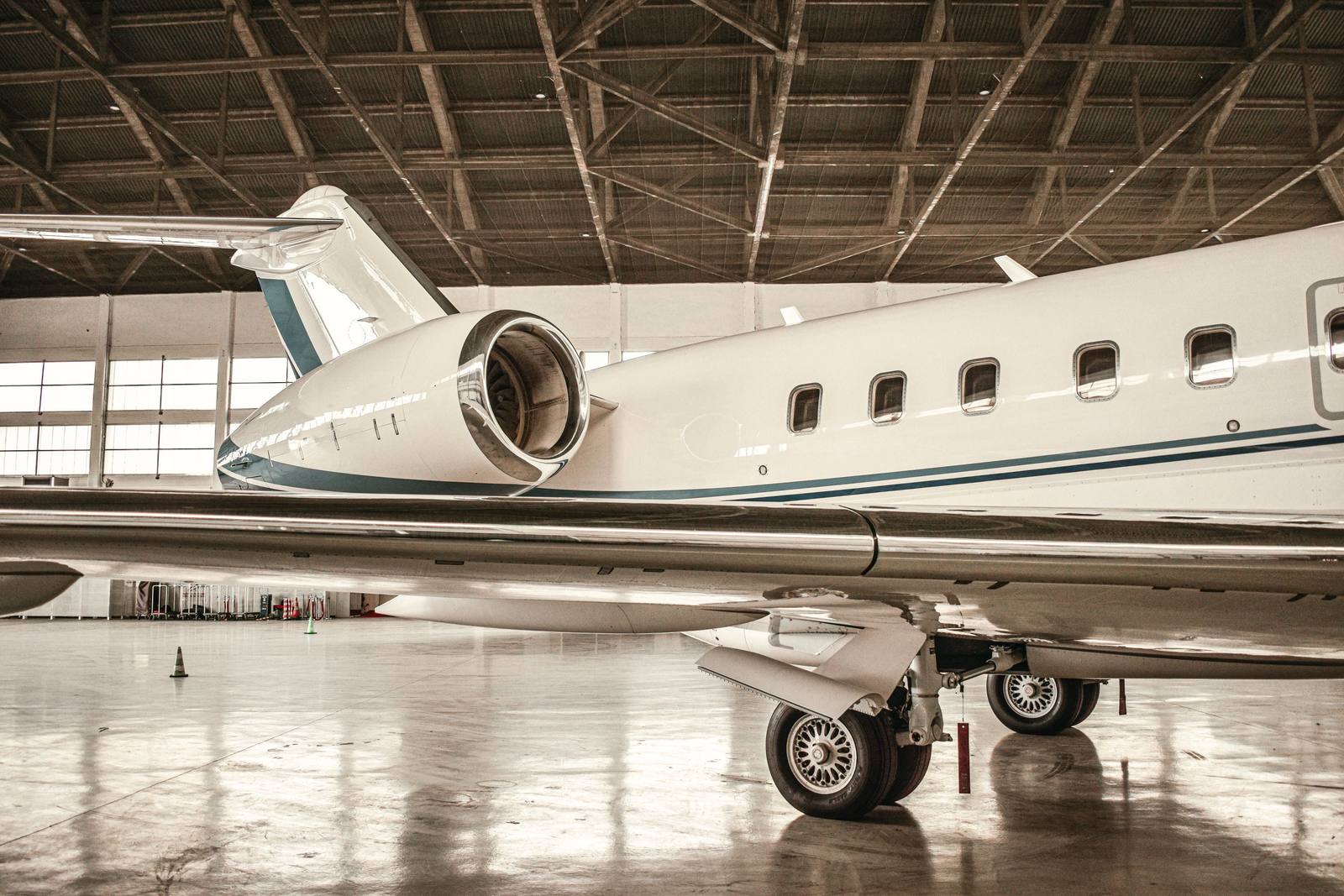
- Storing the aircraft in a hangar where possible.
- Making sure covers fit properly and that door and window seals are in good condition. Seal condition is a maintenance item.
- Opening the aircraft periodically, in dry weather, to air the cabin out, if the storage plan allows.
- Checking for water stains, damp carpet, or musty smells at each visit.
If a musty smell develops, the source of moisture needs to be found and fixed before cleaning, or the smell will likely return. Our article on cabin odors covers why.
Pests
Airbus warns that it can take only weeks for rodents, birds, and insects to cause serious damage to a cabin, and that infestations can block ducts, which can affect safety. Covers and plugs for openings, and inspection for signs of pests, are part of the maintenance side of storage.
From an interior standpoint, the clean-out above removes the main attractants. If droppings, nesting material, chewed materials, or other evidence of pests are found during a check or a later detail, stop and tell the owner. Possible damage to wiring, insulation, or ducts must be evaluated by a mechanic, and cleanup of pest contamination has its own safety considerations that go beyond routine detailing.
Sun and window shades
Aircraft stored outside are exposed to sun through the windows. Airbus describes using covers specifically to protect cabin fabric from fading on parked aircraft. Interior sunshades or exterior covers are common responses, and the right choice depends on the aircraft and how it is stored.
Window shades raise a small tradeoff. Duncan Aviation notes that keeping shades closed can weaken pleats over time and suggests storing them open or stowed when possible. For a hangared aircraft that advice is easy to follow. For an aircraft outdoors, owners may prefer exterior covers or interior sunshades so shades can stay stowed. Our article on hangared versus outdoor aircraft care discusses these differences.
During storage: brief, regular checks
A short check routine during storage catches problems early:
| Check | What to look for |
|---|---|
| Smell on opening the door | Musty, fuel, or unusual odors |
| Carpet and seat bases | Damp spots, stains, water marks |
| Headliner and sidewalls | Water stains, sagging, discoloration |
| Seat seams and pockets | Debris, signs of pests |
| Window and door areas | Moisture, condensation |
| Shades and fabrics | Fading or sun damage |
Anything other than dust should be reported to the owner and, where it could involve water entry, pests, or fluid, to the maintenance provider.
Returning from storage: clean after maintenance
When the aircraft comes out of storage, the return-to-service work comes first. Once the maintenance provider is done, interior cleaning can address dust, any odor that remains after the source has been dealt with, and general presentation. A few points:
- Expect a full vacuum and wipe-down of all surfaces, by material type.
- Leather and fabric may need attention if they have been exposed to heat or sun, using products suited to each material.
- Display faces should be cleaned only with methods the avionics maker lists.
- Results depend on how the aircraft was stored and for how long.
If the aircraft will fly regularly after storage, recurring aircraft care can pick up from there. For seasonal timing, see fall aircraft cleaning and storage planning.
Requesting pre-storage or post-storage cabin cleaning
When requesting interior work around storage, include the aircraft make and model, the expected storage period, whether it will be hangared or outdoors, the maintenance provider’s schedule for preservation or return to service, cabin materials, and any concerns already noticed. Send it through the quote request form, and the cleaning can be timed around the maintenance work.
Sources
- Protecting precious assets (Airbus)
- A Brief Guide to Mold, Moisture and Your Home (U.S. Environmental Protection Agency)
- Four Ways to Improve Your Aircraft's Interior (Duncan Aviation)
This article is general information about cosmetic aircraft care. It is not maintenance guidance. Your aircraft's manufacturer documentation and your maintenance provider take precedence.