Hangared Versus Outdoor Aircraft: How Care Needs Differ
How care needs differ between hangared and outdoor aircraft across transparencies, cabin, finish, and scheduling, and what each storage type still needs.
NWA Aircraft Detailing Editorial · · 5 min read

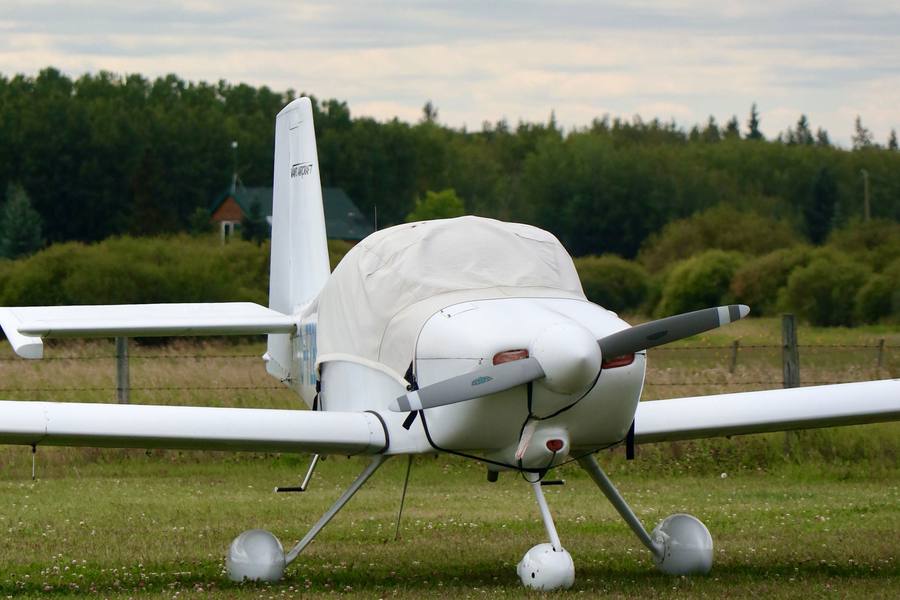
Hangared and outdoor aircraft need the same kinds of care, but in different proportions. An outdoor aircraft takes the full load of sun, weather, and airborne debris, so its transparencies, upper surfaces, and cabin need more frequent attention. A hangared aircraft is sheltered from most of that, yet it still collects dust, can pick up handling marks in a crowded hangar, and gets dirty every time it flies. The useful question is not which storage type needs care, but where each one’s care should be concentrated.
How this article fits with related topics
Two related articles cover narrower ground. How Aircraft Storage Affects Exterior Cleaning Needs focuses on exterior washing: what accumulates and how often. Aircraft Care After Extended Outdoor Parking covers the one-time reset after a long stretch outside. This article compares the overall care picture, inside and out, including scheduling and access.
Side-by-side comparison
| Care area | Outdoor tie-down | Hangared |
|---|---|---|
| Transparencies | Direct sun, heat, and weather; cover fit and cleanliness matter | Mostly sheltered; dust still settles |
| Upper surfaces | Pollen, droppings, sap, rain and dew spotting | Fine hangar dust and debris from nearby work |
| Finish weathering | Continuous sun exposure | Limited to flight time and ramp time |
| Cabin | Heat cycling in a closed aircraft; possible moisture intrusion | More stable, though still closed up between flights |
| Handling marks | Less likely from other aircraft | Possible in a crowded or shared hangar |
| Openings and nests | Higher exposure during long parked periods | Lower, but not zero |
| Where detailing can happen | Depends on wash-rack and ramp rules | Depends on whether the hangar allows washing |
| Weather dependence | High | Lower, if work can happen inside |
Transparencies: the clearest difference
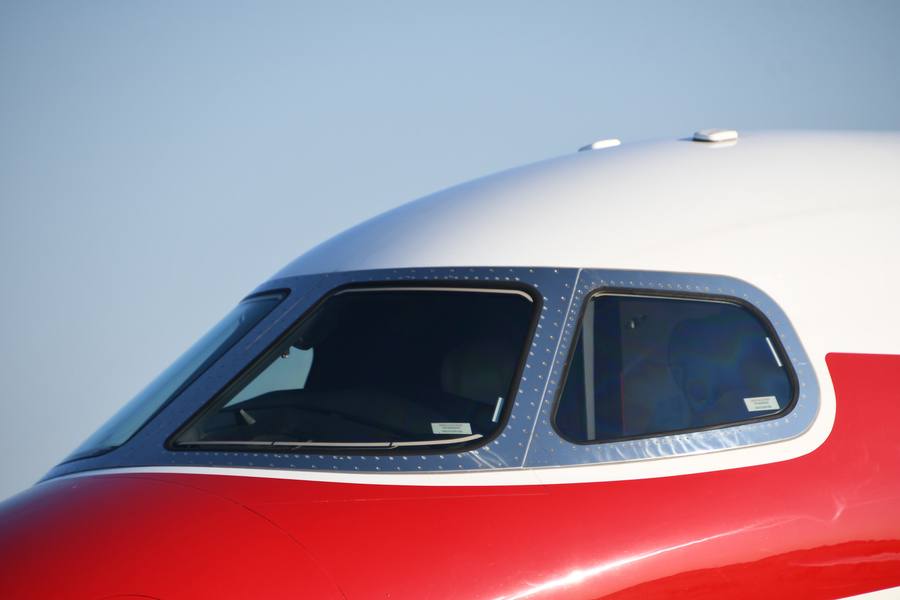
Windshields and windows show the storage difference most. FAA Advisory Circular 43.13-1B explains that a windshield parked in direct sunlight absorbs heat and can become hotter than either the cabin or the outside air, and recommends hangar storage, or some form of shade when a hangar is not possible.
The AC also notes the downside of covers, the usual outdoor alternative: a cover can absorb moisture and give off harmful vapors, can cause crazing if it touches the plastic, and can let blowing sand get underneath and scratch the surface. Cessna’s information manual for the 172S, as one model example, advises against a canvas cover on the windshield unless freezing rain or sleet is anticipated, for the same scratching reason.
For an outdoor aircraft, that means transparency care is a recurring item, and it means the cover itself is part of the care conversation. For a hangared aircraft, transparencies mostly need gentle dust removal and cleaning after flights. In both cases, products and methods follow the aircraft and transparency manufacturer. Our article on material-specific transparency care explains why.
The cabin
AC 43.13-1B notes that sun makes the inside of a closed aircraft extremely hot. Outdoor aircraft go through that heat cycle on every sunny day, along with cold nights in winter and humidity in summer. Interior materials such as leather, vinyl, plastics, and adhesives live with that. Outdoor aircraft often benefit from more frequent interior attention: conditioning leather with compatible products, keeping the cabin clear of items that should not bake or freeze, and watching for dampness that could mean a seal or leak problem (a maintenance matter).
Hangared cabins are more stable but not immune. They are still closed up between flights, and passengers still bring in dirt and spills.
Hangars have their own risks
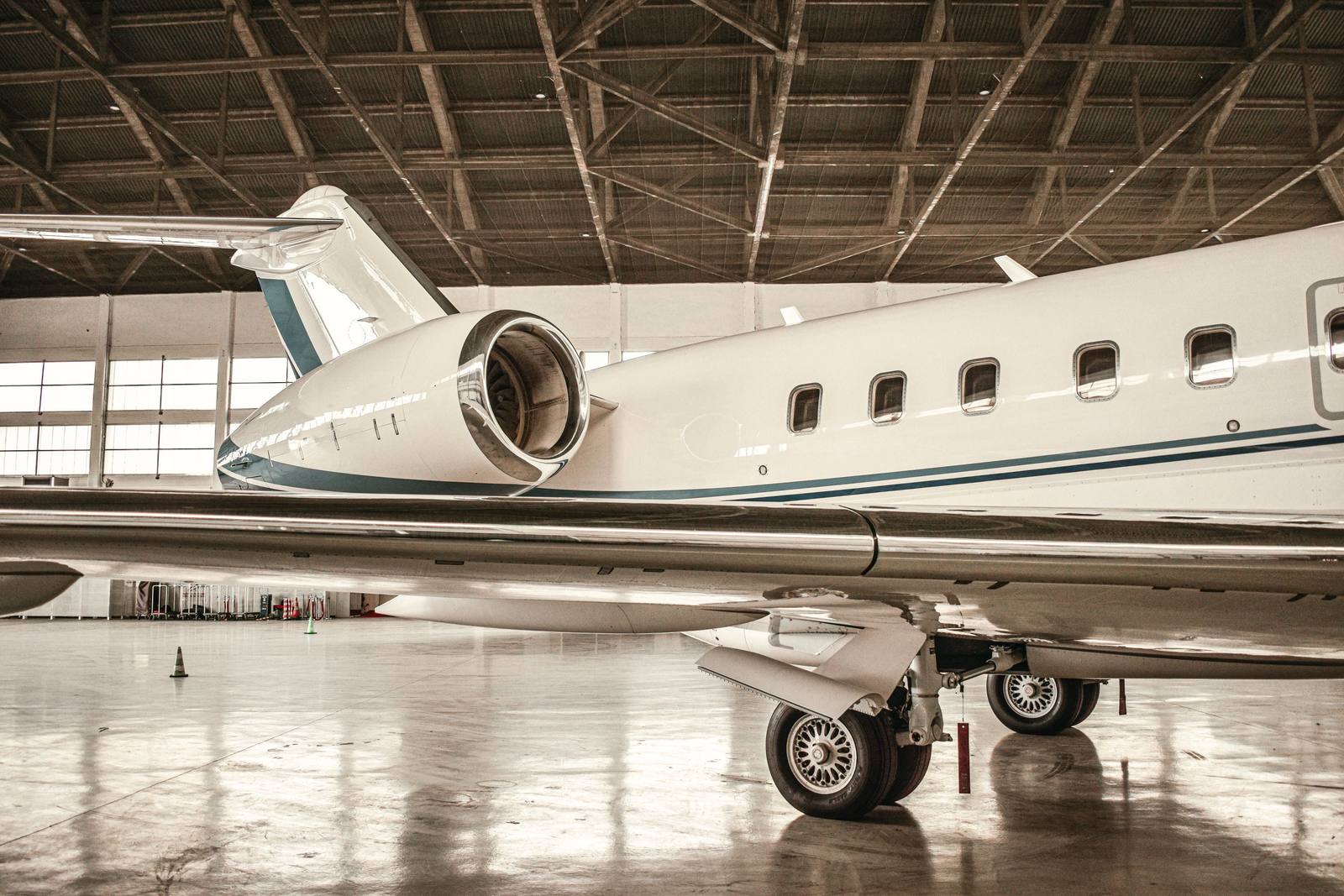
A hangar is not a clean room. Cessna’s information manual notes that an airplane kept in a crowded hangar should be checked for dents and scratches on the wings, fuselage, and tail, and for damage to lights and antennas. Shared hangars can also expose an aircraft to dust from sweeping, nearby maintenance work, or doors left open on windy or high-pollen days.
For a hangared aircraft, that shifts care toward:
- Regular dust removal from upper surfaces and transparencies, using methods that lift dust rather than drag it
- Noting any handling marks during cleaning and passing them to the owner
- Washing after flying, since the aircraft still collects exhaust, insects, and runway grime in the air
Openings and long parked periods
Cessna’s information manual also notes that outside storage for long periods may result in insect, bird, or rodent nests in any opening and obstructions in airspeed system lines. Outdoor aircraft that sit for weeks are more exposed to this. Checking openings is a preflight and maintenance task for the pilot and a certificated mechanic, not a cleaning task, but it affects scheduling: cleaning after a long parked period should follow the pilot’s or mechanic’s look at the aircraft.
Where the work can happen
Storage also affects access for detailing. An outdoor aircraft may need to be cleaned on a designated wash rack or an approved ramp area, which depends on airport rules, water access, and weather. A hangared aircraft may allow interior work and some exterior work indoors, but many hangars do not permit wet washing or lack drainage. The FAA’s Aviation Maintenance Technician Handbook advises washing in the shade whenever possible, which a hangar can make easier, provided washing is permitted there. These details must be confirmed per airport and per job. Mobile Aircraft Detailing: Access and Facility Questions lists what to ask.
Planning care by storage type
If your aircraft lives outdoors: plan more frequent exterior and transparency attention, more interior conditioning, and a reset after long parked stretches. Expect weather to move appointments.
If your aircraft is hangared: plan cleaning around flying rather than weather, keep up with dust, and pay attention to handling marks if the hangar is shared.
If storage changes seasonally: for example, outdoors in summer and hangared in winter, clean before moving the aircraft into the hangar so residue does not sit all season.
In every case, the aircraft manufacturer’s care guidance and the paint, transparency, and interior material manufacturers govern methods and products.
Requesting care for your storage situation
When you request a quote, tell us how the aircraft is stored (outdoor tie-down, private hangar, shared hangar, or seasonal), the home airport, how often it flies, and whether washing is permitted where it is kept. That lets us suggest a realistic cadence and discuss whether recurring aircraft care fits. All service is subject to airport and facility approval.
Sources
- Advisory Circular 43.13-1B, Acceptable Methods, Techniques, and Practices: Aircraft Inspection and Repair (Chapter 3, Section 3-41, Protection of acrylic windshields) (Federal Aviation Administration)
- Cessna Model 172S NAV III Information Manual, Section 4 (Preflight Inspection) and Section 8 (Cleaning and Care) (Cessna Aircraft Company)
- Aviation Maintenance Technician Handbook: General (FAA-H-8083-30B), Chapter 8, Cleaning and Corrosion Control (Federal Aviation Administration)
This article is general information about cosmetic aircraft care. It is not maintenance guidance. Your aircraft's manufacturer documentation and your maintenance provider take precedence.