Why Aircraft Transparencies Need Material-Specific Care
Aircraft windows may be acrylic, polycarbonate, or coated glass. Why the material decides the cleaning method, and which products FAA guidance rules out.
NWA Aircraft Detailing Editorial · · 4 min read
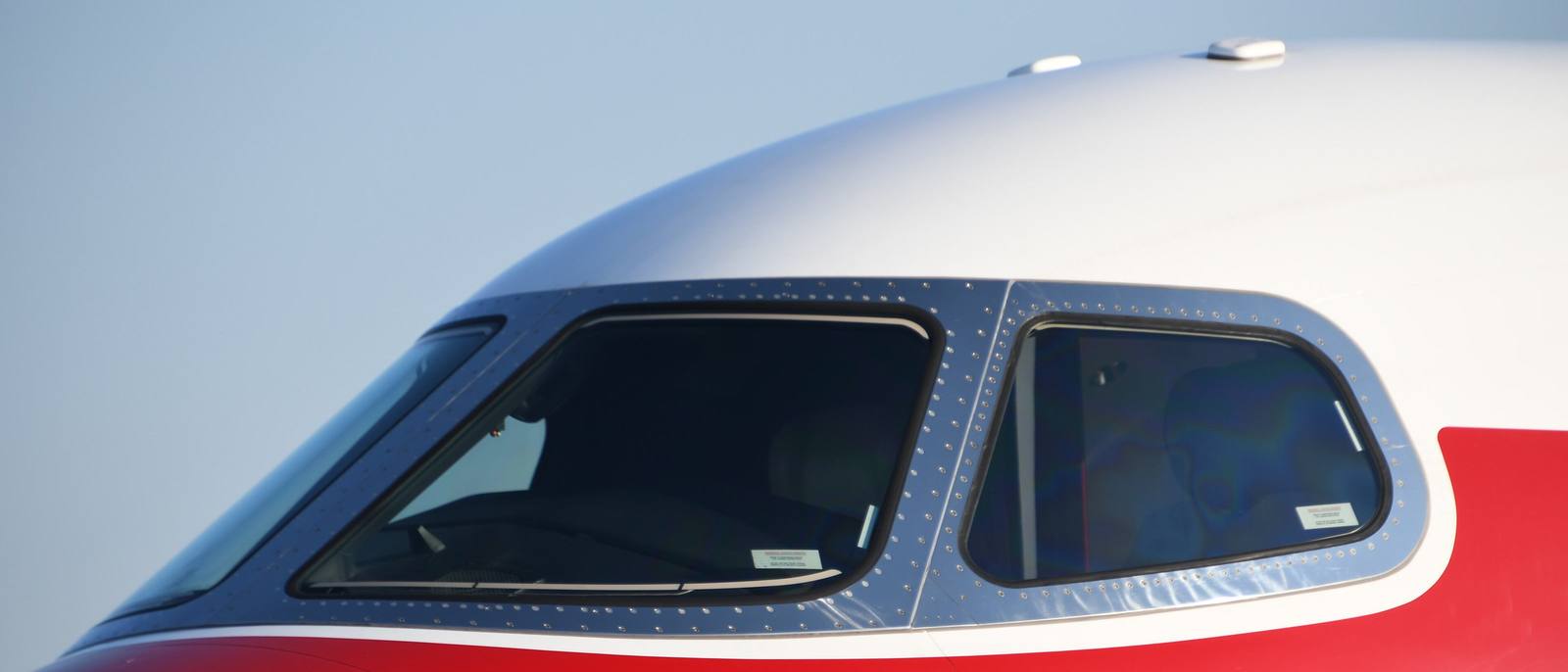
Aircraft windshields and windows are not all glass, and many are much softer than glass. Light aircraft commonly use acrylic, some transparencies are polycarbonate, and some larger aircraft use glass or laminated assemblies, often with special coatings. Each material reacts differently to solvents, abrasion, and heat, so the right cleaning method depends on what the transparency actually is and what its manufacturer allows. Household glass cleaners and paper towels are a common cause of avoidable damage.
Why plastic transparencies are so easy to damage
FAA AC 43.13-1B puts it plainly: plastics have many advantages over glass for aircraft use, but they lack the surface hardness of glass, and care must be taken during servicing to avoid scratching or otherwise damaging the surface.
Three kinds of damage come up repeatedly in FAA guidance:
- Scratching. Grit dragged across the surface leaves fine scratches. Both AC 43.13-1B and the FAA’s maintenance handbook warn against rubbing plastic with a dry cloth, which can scratch and also builds an electrostatic charge that attracts more dust.
- Crazing. A network of fine surface cracks. AC 43.13-1B lists gasoline, alcohol, benzene, acetone, carbon tetrachloride, fire extinguisher or deicing fluids, lacquer thinners, and window cleaning sprays as substances that soften plastic and cause crazing. The handbook gives a similar list.
- Heat distortion. AC 43.13-1B notes that acrylic is thermoplastic, and that buffing or polishing too long in one spot can generate enough heat to soften the surface and produce visual distortion.
Crazing and distortion are not cosmetic in the usual sense. They affect the pilot’s view. A crazed or damaged transparency is a matter for a mechanic to evaluate, and replacement or repair is maintenance.
What the FAA’s general guidance describes
The FAA handbook’s general sequence for plastic surfaces is worth knowing, as background rather than a universal procedure:
- Flush with fresh water first to dissolve salt deposits and wash away dust particles
- Wash with soap and water, preferably by hand
- Rinse with fresh water and dry with a chamois, synthetic wipes designed for plastic windshields, or absorbent cotton
- Remove static and dust by patting or blotting with a clean, damp chamois rather than rubbing
- Finish, where appropriate, with a plastic polish intended for aircraft windows and windshields
AOPA’s owner guidance reinforces the same ideas: flush loose dirt first, because any dirt left on the surface will cause scratches during wiping; never use paper towels, even soft ones; and wipe in straight lines rather than circles. AOPA also notes that windshield manufacturers broadly agree on how their products should be cared for.
Why the specific material and maker still decide
General guidance stops short of telling you what is safe for your transparency, for several reasons:
- Material varies. Acrylic, stretched acrylic, polycarbonate, and glass behave differently. A product described as safe for one may not be safe for another.
- Coatings vary. Many transparencies carry anti-static, hard, or other coatings that can be damaged by the wrong cleaner or by abrasion. PPG Aerospace describes one of its transparency cleaning products as non-abrasive specifically to protect sensitive coatings.
- Heated windshields. Some aircraft, particularly turbine aircraft, have electrically heated windshields, which come with their own care instructions.
- Replacement and aftermarket parts. A transparency replaced at some point may not match the original, which is one more reason to check the aircraft’s records.
The governing documents are the aircraft’s POH or AFM handling and service section, the maintenance manual, and the transparency manufacturer’s care instructions. A detailer should ask about these rather than bring one product for every windshield.
Common mistakes to avoid
| Mistake | Why it is a problem |
|---|---|
| Household glass or window cleaner | FAA guidance lists window cleaning sprays among products that cause crazing |
| Paper towels or shop rags | Can scratch acrylic, per AOPA |
| Wiping without rinsing first | Drags grit across the surface |
| Dry dusting | Scratches and builds static, per FAA guidance |
| Circular wiping | AOPA recommends straight-line motions |
| Buffing in one spot | Heat can distort acrylic, per AC 43.13-1B |
| Scraping bugs | Scratches; soften first (see bug residue on leading edges) |
Inside the cabin too
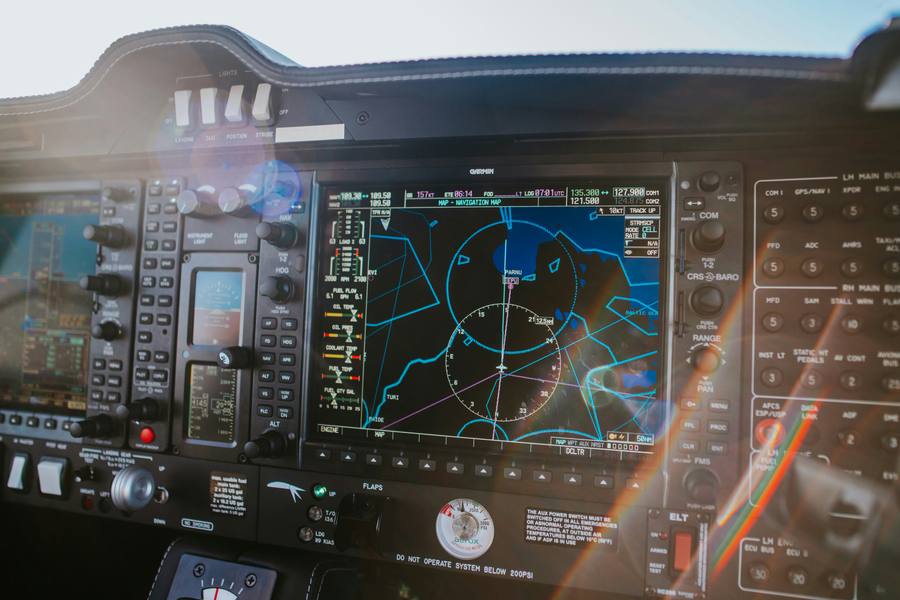
Transparencies have an inside surface as well, and it sits near displays, panel coatings, and interior trim that have their own requirements. Cleaning the inside of windows is part of aircraft interior detailing, and the same material rules apply. The article on cleaning around cockpit displays and avionics covers the nearby surfaces.
What a cleaning provider should and should not do
A provider can clean transparencies with methods and products consistent with the aircraft and transparency makers’ guidance, and note visible conditions such as scratches, crazing, or delamination. A provider should not attempt to remove crazing, sand or “restore” a damaged transparency, or treat a windshield in ways that amount to repair. Scratch removal that goes beyond light cleaning with an approved plastic polish is a question for the owner and mechanic.
Requesting a quote
When you request a quote, let us know the aircraft model, whether the windshield is acrylic, polycarbonate, or glass if you know, whether it is heated or coated, and any care instructions in your POH, AFM, or the transparency manufacturer’s documents. If you have noticed scratches or crazing, mention it so it can be recorded before work begins.
Sources
- Advisory Circular 43.13-1B, Acceptable Methods, Techniques, and Practices: Aircraft Inspection and Repair (Chapter 3, Section 3-25) (Federal Aviation Administration)
- Aviation Maintenance Technician Handbook: General (FAA-H-8083-30B), Chapter 8, Cleaning and Corrosion Control (Federal Aviation Administration)
- Airframe and Powerplant: Wash Me! (AOPA)
- PPG Clarity Wipes: Optimized Transparency Cleaning for Aircraft Maintenance (PPG Aerospace)
This article is general information about cosmetic aircraft care. It is not maintenance guidance. Your aircraft's manufacturer documentation and your maintenance provider take precedence.