How Aircraft Storage Affects Exterior Cleaning Needs
A closed hangar, a T-hangar, a shade port, and an open tie-down each leave different residue on an aircraft. How storage shapes cleaning scope and timing.
NWA Aircraft Detailing Editorial · · 4 min read
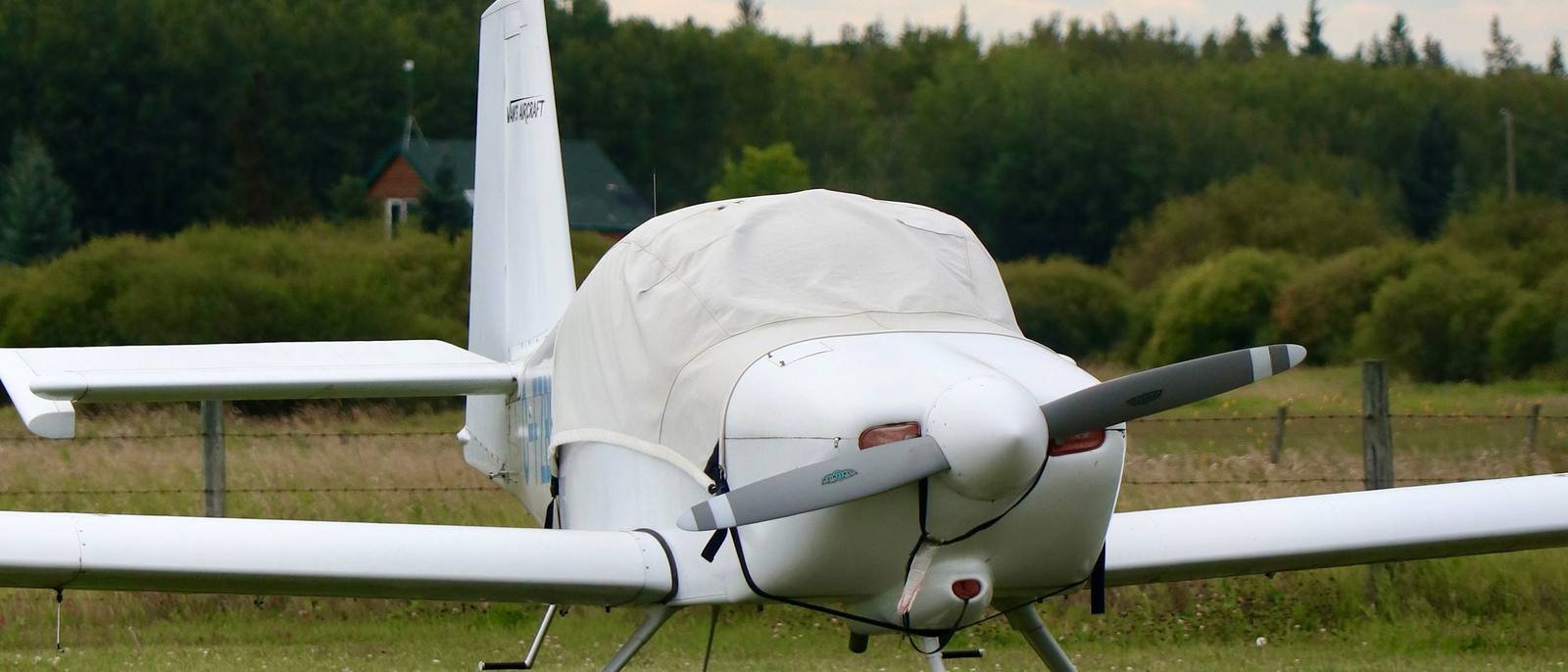
Where an aircraft sits between flights decides what ends up on its surfaces. A closed hangar mostly collects dust, an open tie-down collects weather, pollen, droppings, and sap, and a covered aircraft adds its own considerations where the cover touches the skin. Knowing your storage type helps you and a cleaning provider choose the right scope, timing, and method before anyone touches the aircraft.
This article looks narrowly at exterior cleaning. For a broader comparison of how hangared and outdoor aircraft differ in overall care, see hangared versus outdoor aircraft.
Why storage matters to cleaning at all
FAA guidance treats the operating environment as a real factor. AC 43.13-1B lists minimizing exposure to adverse environments by keeping the aircraft in a hangar among its corrosion-prevention guidelines, and AC 43-4B says the environment an aircraft operates in sets how aggressive its corrosion control program needs to be. Those documents are written for maintenance programs, not detailing, and cleaning alone does not prevent corrosion. But they reflect a plain observation: what lands on an aircraft, and how long it stays there, depends on where the aircraft lives.
What each storage type tends to leave behind
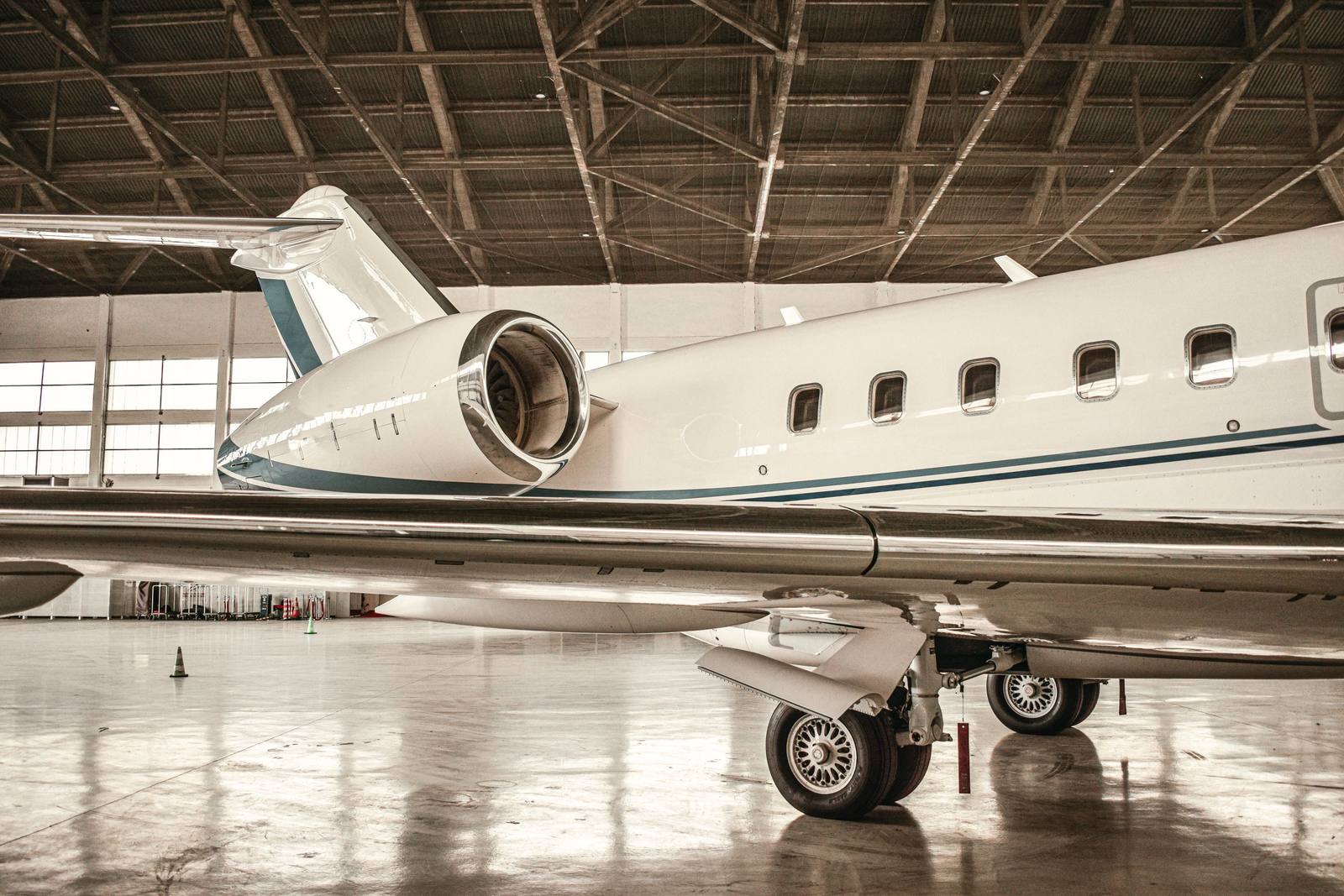
Closed, shared, or community hangar
- Fine dust settling on upper surfaces, especially if the hangar door is opened often
- Residue from nearby work in a shared space, such as overspray or tire and floor dust
- Little weather exposure, so contamination is usually lighter and more even
A hangared aircraft often needs less frequent exterior washing, but dust should still be lifted off rather than wiped dry across the paint or transparencies. The FAA handbook warns against rubbing plastic with a dry cloth because it can scratch and builds a static charge that attracts more dust.
Individual T-hangar
- Dust and debris drawn in under the door, sometimes heavier near the floor and on the belly
- Nesting birds, wasps, or insects in some hangars, which can leave droppings or debris on the aircraft
- Limited room around the aircraft, which affects how cleaning can be done in place
T-hangars raise a practical question: whether cleaning can happen inside at all, or whether the aircraft must be moved to a wash area. Moving the aircraft is the owner’s or operator’s responsibility, not a detailing task.
Shade port or open-sided shelter
- Partial weather protection, but wind-driven dust, pollen, and rain still reach the aircraft
- Droppings from birds roosting in the structure above
- Uneven contamination, often heavier on surfaces near the open sides
Open tie-down
- Full exposure to rain, dew, pollen, dust, and whatever the wind carries
- Bird droppings and, near trees, sap or leaf debris
- Water residue left behind after rain dries on the surfaces (see water spots on aircraft finishes)
Outdoor aircraft generally collect more, and more varied, contamination between cleanings. Some residues, like droppings and sap, are better addressed soon rather than left for a scheduled wash, using methods the aircraft and paint manufacturers allow.
Covers: helpful, with caveats
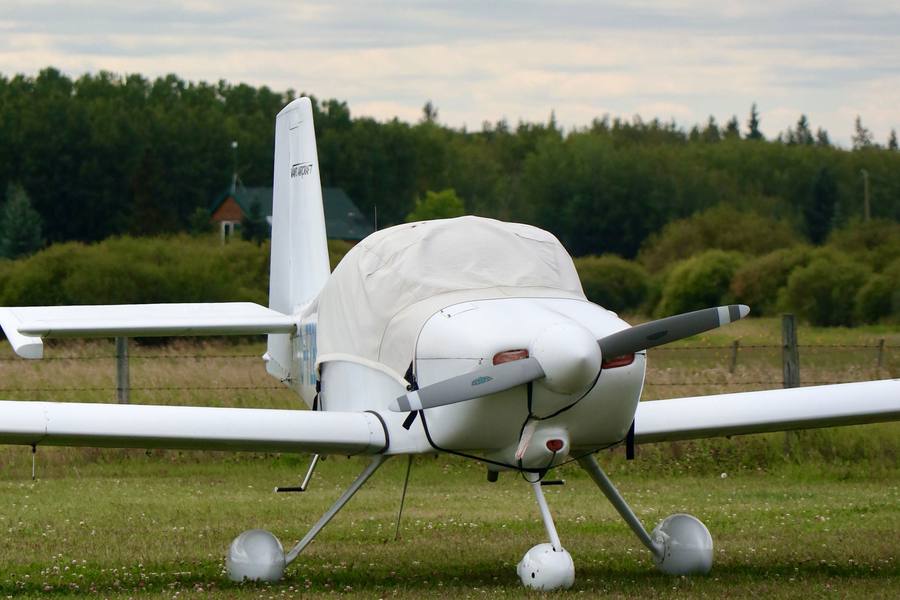
Canopy and full covers keep a lot off the aircraft. They also bring their own cleaning considerations:
- A cover placed over a dusty surface can rub grit against the paint or windshield as it moves in the wind
- The cover’s own underside collects dust and needs to stay clean
- Moisture can stay trapped under a cover after rain
None of this argues against covers. It argues for putting them on a clean aircraft where practical, keeping them clean, and fitting them per the cover maker’s instructions.
How storage changes the cleaning plan
| Storage | Typical cleaning focus | Planning questions |
|---|---|---|
| Closed hangar | Dust removal, transparencies, belly | Can cleaning happen in the hangar? What does the facility allow? |
| T-hangar | Dust, floor-level grime, nesting debris | Is there room to work, or must the owner move the aircraft? |
| Shade port | Droppings, wind-borne dust and pollen | How quickly are droppings found and removed? |
| Tie-down | Weather residue, pollen, droppings, sap | How often is the aircraft rinsed or washed? Are covers used? |
Practical notes for owners
- Tell the provider where the aircraft lives. It shapes both the scope and the method.
- Check facility rules. Airports and hangar operators may limit where, or whether, washing with water is permitted. Confirm per airport, per job.
- Note what you see between cleanings. A quick photo of droppings, sap, or new staining helps prioritize.
- Follow the aircraft’s documents. The POH or AFM handling section and maintenance manual govern products and methods. Storage changes what needs cleaning, not which rules apply.
If the aircraft has been sitting outside for an extended period, the article on care after extended outdoor parking covers that situation. For aircraft that stay outdoors year-round, a recurring care arrangement is one way to keep exposure from building up.
Requesting a quote
When you request a quote, tell us the storage type (hangar, T-hangar, shade port, or tie-down), the airport, whether covers are used, and what residue you are seeing. That lets us talk through a realistic scope and method, subject to airport and facility approval for where the work can happen.
Sources
- Advisory Circular 43.13-1B, Acceptable Methods, Techniques, and Practices: Aircraft Inspection and Repair (Federal Aviation Administration)
- Advisory Circular 43-4B, Corrosion Control for Aircraft (Federal Aviation Administration)
- Aviation Maintenance Technician Handbook: General (FAA-H-8083-30B), Chapter 8, Cleaning and Corrosion Control (Federal Aviation Administration)
This article is general information about cosmetic aircraft care. It is not maintenance guidance. Your aircraft's manufacturer documentation and your maintenance provider take precedence.