Mobile Aircraft Detailing: Access and Facility Questions
Questions to confirm before on-location aircraft detailing: airport vendor rules, insurance certificates, water and power, runoff rules, and hangar or ramp.
NWA Aircraft Detailing Editorial · · 4 min read
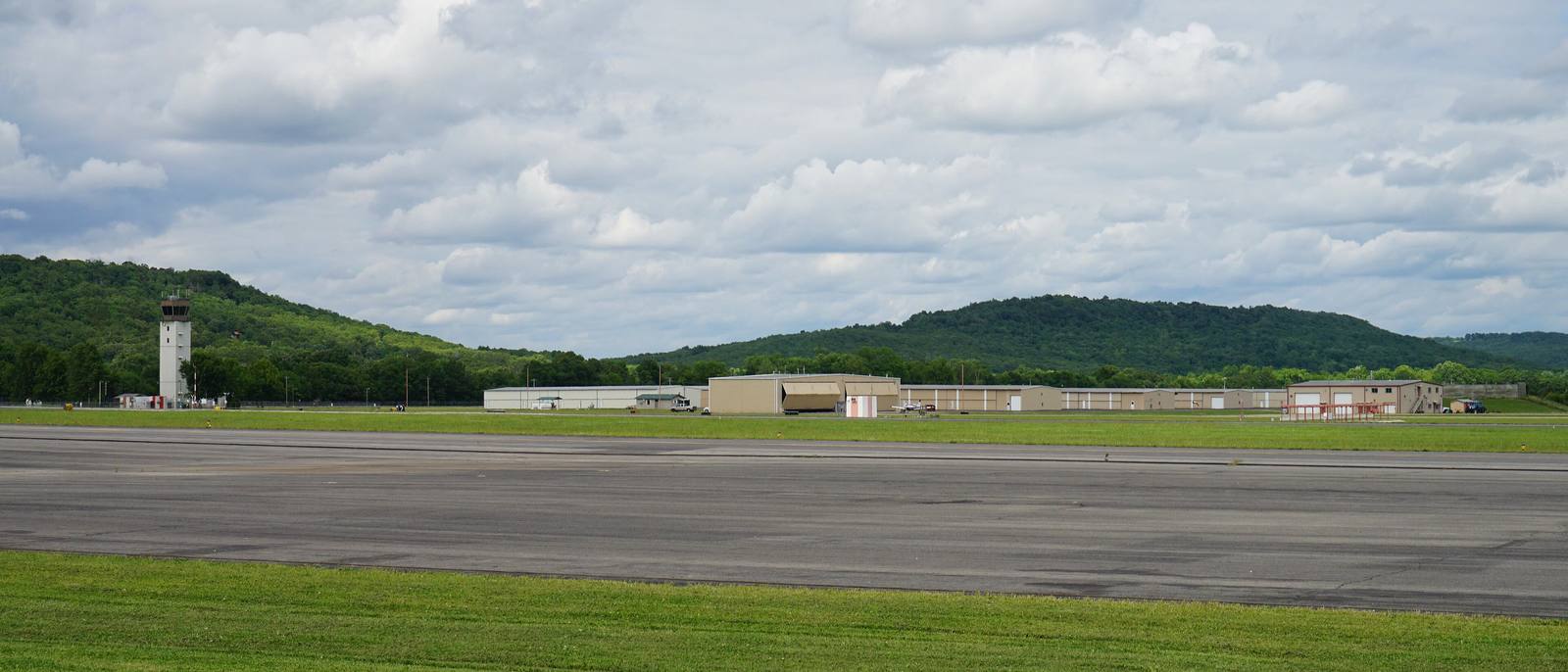
Mobile aircraft detailing means the work comes to the aircraft, but whether it can happen at a given airport depends on that airport’s rules, the facility where the aircraft sits, and practical details like water, power, and drainage. Before booking on-location work anywhere, the owner and the provider should confirm who permits outside service providers on the field, what insurance documentation is required, what utilities are available, and how wash water must be handled.
NWA Aircraft Detailing’s mobile model is still being confirmed. Airport access, facility use, and wash-rack availability are worked out per airport and per job, and service at any location is subject to airport and facility approval. This article lists the questions that need answers first.
Why access is not automatic
Airports are not open worksites. Each one has an airport sponsor (usually a city, county, or airport authority) that sets rules for commercial activity on the field. The FAA’s Airport Compliance Manual (Order 5190.6C) devotes a chapter to “Reasonable Commercial Minimum Standards,” the requirements a sponsor may set for businesses that provide services on the airport. These vary from airport to airport.
On top of the sponsor’s rules, the hangar owner, FBO, or tenant who controls the space may have its own policies. A provider who can work at one field may need separate approval at the next.
Questions to confirm before any on-location job
1. Does the airport permit outside commercial service providers?
- Does the airport sponsor have minimum standards or a permit process for commercial operators or vendors?
- Is aircraft washing or detailing addressed specifically?
- Is there a fee, permit, or registration with airport management?
- Are outside providers restricted to certain areas, hours, or escorts?
Airport management offices or the sponsor’s website are the place to start. If the aircraft is at an FBO, the FBO may handle or restrict these requests.
2. What insurance certificates are required?
Airports, FBOs, and hangar owners may ask outside providers for a certificate of insurance, and some ask to be named as additional insured. Insurance is one of the areas a sponsor’s minimum standards can address, and requirements are set locally. Ask:
- What coverage types and documentation does the airport require?
- Does the FBO or hangar owner have separate requirements?
- Does the certificate need to be on file before the first visit?
Any provider you hire should be able to supply the documentation the facility asks for. Do not assume coverage; ask to see it.
3. Where will the aircraft be: hangar, ramp, or wash rack?
| Location | Questions to ask |
|---|---|
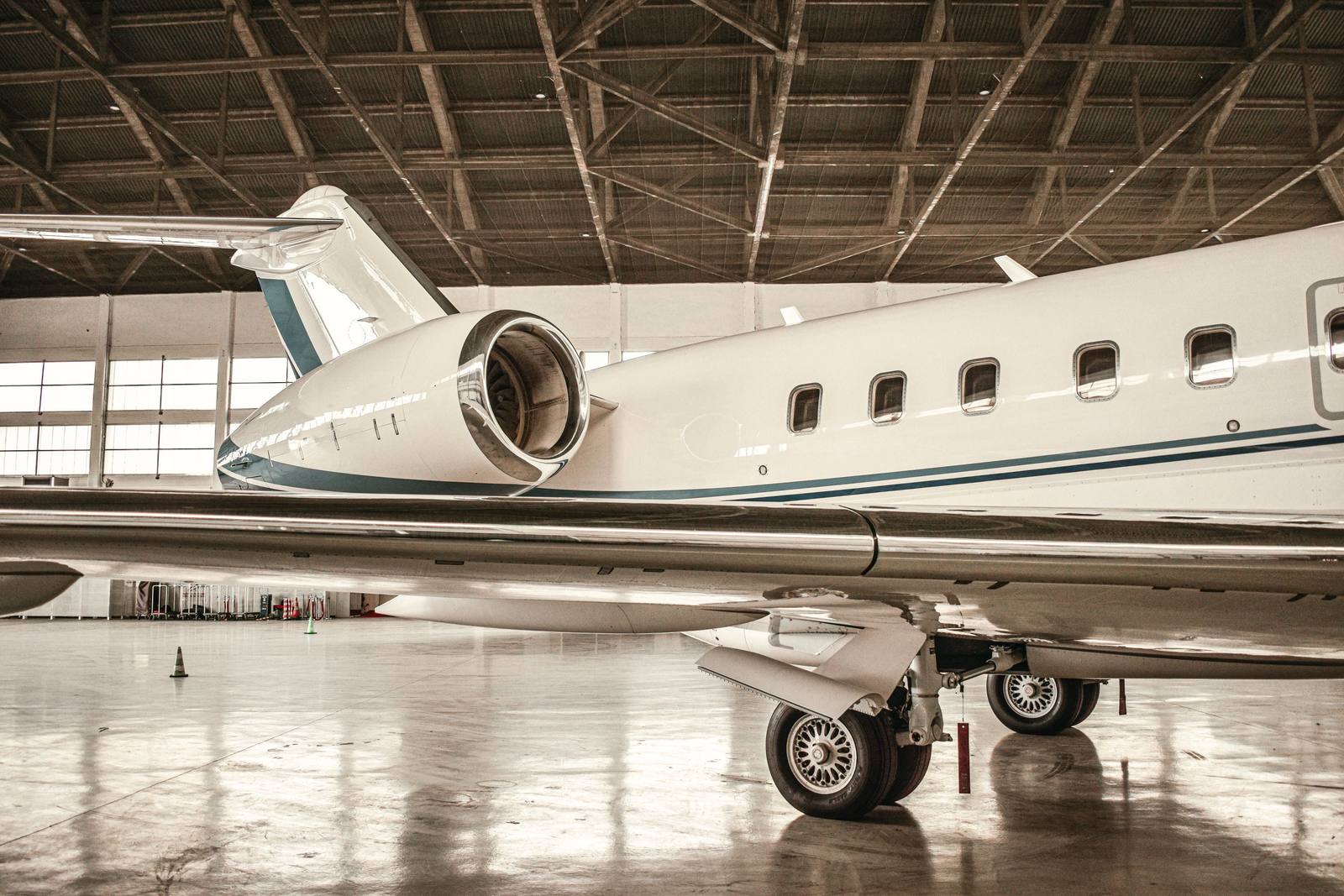
| Private or T-hangar | Does the hangar owner allow wet work inside? Is there a floor drain, and where does it go? Is there enough room around the aircraft? |
| FBO or shared hangar | Will the FBO allow the work, and when? Are other aircraft parked close by? |
| Ramp or tie-down | Does the airport allow washing on the ramp at all? Are there restricted areas or times? |
| Designated wash rack | Is there one on the field? Who schedules it, and is it open to outside providers? |
FAA Advisory Circular 43-4B refers to positioning an aircraft “in wash rack or provide washing apparatus for rapid rinsing of all surfaces” in its corrosion treatment procedures, which reflects how central water access and drainage are to wet cleaning.
Moving the aircraft to any of these locations is handled by the owner, pilot, FBO, or maintenance provider, not the detailer.
4. Are water and power available?
- Is there a water supply the provider may use, and is it metered or billed?
- Is electrical power available, and may outside providers use it?
- If neither is available, will the airport allow self-contained equipment?
- Are there restrictions on generators or equipment near aircraft or fuel areas?
Missing utilities do not always rule out a job, but they change which methods are practical. Dry-wash or waterless approaches may be an option in some settings, subject to the aircraft and paint manufacturers’ guidance.
5. How must wash water and runoff be handled?
This is often the deciding question. Wash water from aircraft can carry oil, residues, and cleaning products. The EPA’s industrial stormwater fact sheet for air transportation facilities identifies aircraft and equipment washing among the activities that can contribute pollutants to stormwater, and airports and their tenants may have stormwater permit obligations and local rules as a result.
Ask the airport or facility:
- Is washing allowed outside a designated wash rack?
- Must wash water be captured or directed to a specific drain?
- Are certain cleaning products prohibited?
- Is there a spill or runoff procedure the provider must follow?
6. What are the security and scheduling procedures?
- How does a provider get airside access, and who escorts if needed?
- Are there hours when work is not allowed?
- Who at the airport or FBO should be notified the day of the work?
Who answers which question
| Question | Usually answered by |
|---|---|
| Commercial operator rules, permits | Airport sponsor or airport management |
| Insurance certificates | Airport, FBO, and hangar owner (each may differ) |
| Hangar use and wet work | Hangar owner, FBO, or tenant |
| Water, power, wash rack | Airport or FBO |
| Runoff and environmental rules | Airport, with applicable permits and local rules |
| Moving the aircraft | Owner, pilot, FBO, or maintenance provider |
Start with where the aircraft lives
If you are considering on-location service, include the airport, where the aircraft is parked on the field, and whether it is hangared when you request an aircraft detailing quote. We will work through these questions with you for that airport before anything is scheduled. Preparing Your Aircraft for a Detailing Appointment covers the owner-side steps once access is confirmed, and our service areas page describes the airports in the region.
Sources
- FAA Airport Compliance Manual, Order 5190.6C (Chapter 10, Reasonable Commercial Minimum Standards) (Federal Aviation Administration)
- Industrial Stormwater Fact Sheet Series, Sector S: Air Transportation Facilities (U.S. Environmental Protection Agency)
- Advisory Circular 43-4B, Corrosion Control for Aircraft (Federal Aviation Administration)
This article is general information about cosmetic aircraft care. It is not maintenance guidance. Your aircraft's manufacturer documentation and your maintenance provider take precedence.