Detailing Considerations for Business Jets
Detailing a business jet: large painted surfaces, engine inlets and exhausts, mixed cabin materials, galleys and lavatories, and coordinating with the flight department.
NWA Aircraft Detailing Editorial · · 4 min read
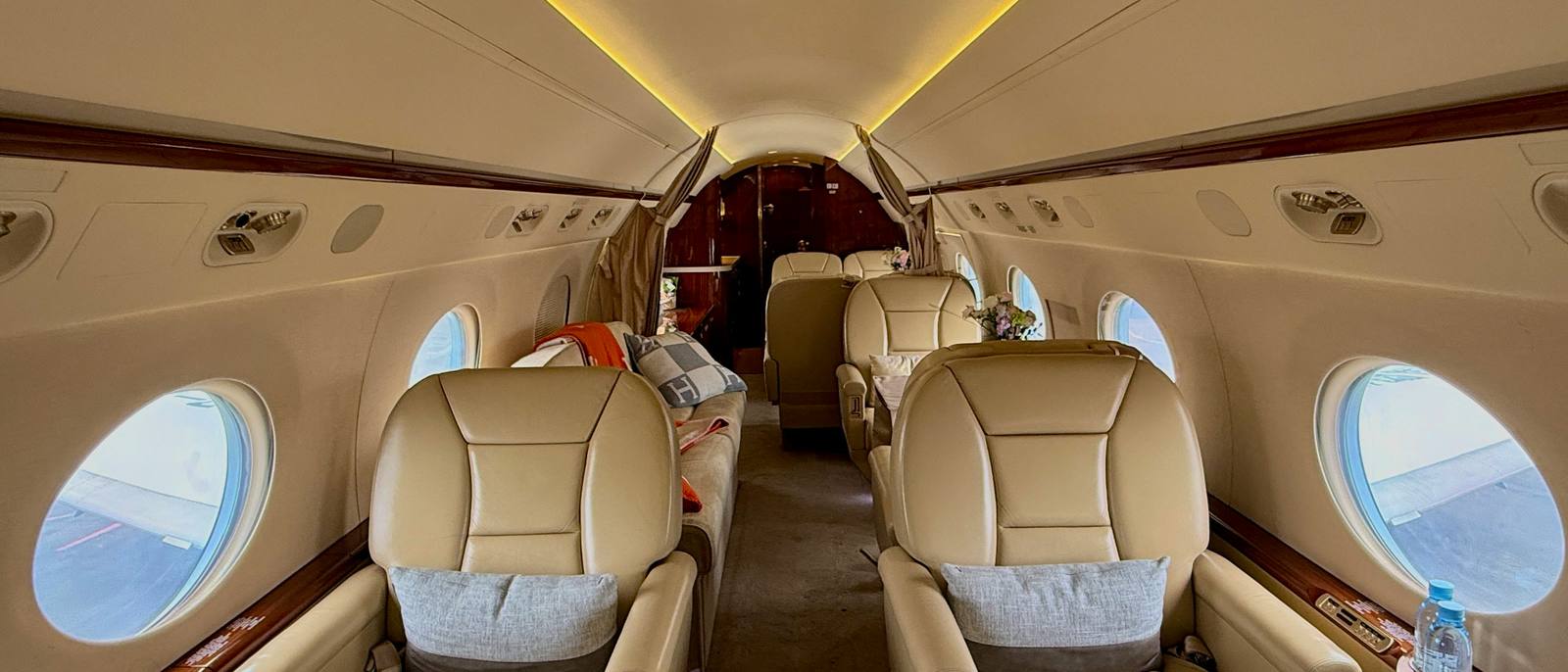
Detailing a business jet is as much about coordination as cleaning. The exterior is large, tall, and finished in paint systems with specific care requirements; engine inlets, exhausts, and many sensors need protection or avoidance; and the cabin combines leather, wood or composite veneer, carpet, galley, and lavatory surfaces, each with its own guidance. Most jets are managed by a flight department, management company, or crew, so detailing has to fit around their trip calendar, maintenance plan, and facility rules.
This article covers general considerations. The aircraft manufacturer’s documentation, the completion center’s or interior manufacturer’s care guidance, and the paint system manufacturer’s instructions govern specifics for a given aircraft.
Working with the operator
Business jets usually have a clear chain of responsibility: an owner, an operator (flight department or management company), crew, and a maintenance provider. Before any work:
- Confirm who authorizes the detail and approves the scope.
- Confirm who controls access to the hangar or FBO space.
- Confirm who handles covers, plugs, and the aircraft’s configuration before and after.
- Confirm who does the final walkaround before the next flight.
NBAA’s guidance on running a flight department describes aircraft availability as one of the most important metrics, noting that “the aircraft is only an asset when it is available,” and recommends planning anticipated down days around maintenance. Detailing that respects that priority is scheduled into gaps the operator chooses, kept to an agreed window, and never placed on top of maintenance.
Exterior surfaces
Paint
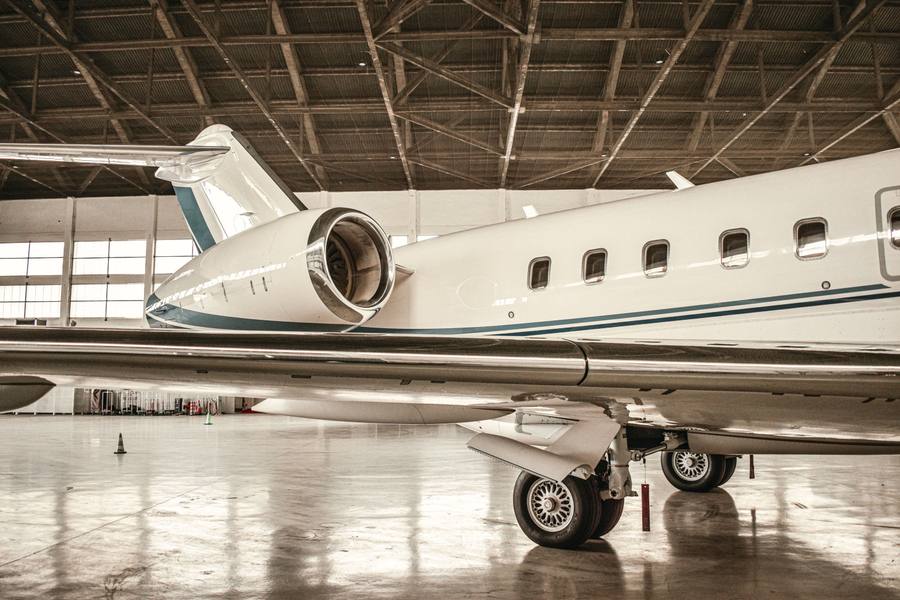
Business jets present large painted areas, often with a basecoat/clearcoat system and complex stripes or metallic colors. Textron Aviation, for example, has qualified a Sherwin-Williams exterior basecoat and clearcoat system for its Cessna, Beechcraft, and Hawker aircraft, as Aviation International News reported. Knowing the paint system and its age helps determine appropriate products. Paint correction, polishing, and protective coatings are proposed offerings and depend on the finish and the paint manufacturer’s guidance.
Engine areas and exhaust
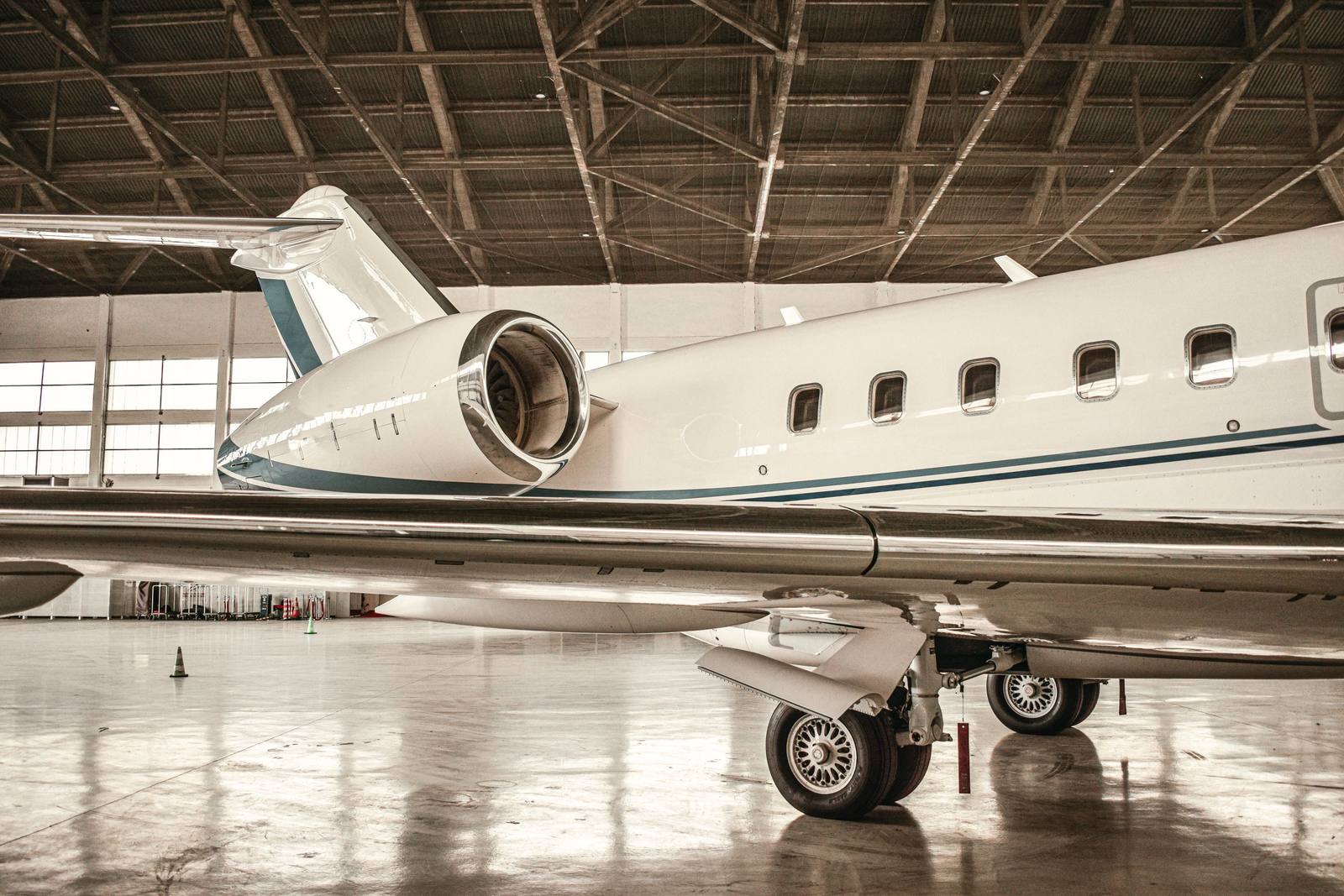
Depending on the design, engines may be mounted on the aft fuselage or under the wings. FAA Advisory Circular 43-4B notes that jet exhaust deposits are “very corrosive” and can collect in gaps, seams, hinges, and fairings that normal cleaning cannot reach. Cosmetic removal of visible residue from painted surfaces is detailing. Anything inside an inlet or exhaust, any engine cleaning procedure, and any removal of fairings or panels is maintenance.
Leading edges and brightwork
Leading edges collect bugs and grime, and some jets have bare or polished metal on leading edges or inlet lips. These areas may be part of an ice protection system. Methods and products should follow the manufacturer’s guidance, and polishing of brightwork, where offered, is a separate scope.
Height and reach
The size of a jet means much of the upper fuselage, tail, and wing surfaces are out of reach from the ground. Work at height should use appropriate equipment and should follow the facility’s safety rules. Nothing should be placed on or leaned against surfaces the manufacturer does not designate as walkable.
Sensitive areas, at a general level
Jets carry many openings and sensors. Typical areas to protect or avoid include:
- Engine inlets and exhausts, and APU inlet and exhaust where fitted
- Pitot probes, static ports, angle-of-attack vanes, and temperature probes
- Fuel vents and drains
- Pressurization outflow valves and other vents
- Antennas, lights, and sensor windows
- Control surfaces, hinges, and gaps
- Door seals and windshield seals
AC 43-4B recommends protecting against water and cleaning compound intrusion at openings such as vents and pitot static openings during washing, and making sure all protections are removed afterward. Operators typically have their own procedures and manufacturer-supplied covers for this; coordinate with the crew or maintenance provider so the right person installs and removes them.
The FAA has said that washing by itself is not maintenance, but that some steps within the process are, and has cautioned operators about providers who cannot follow those steps, as Aviation International News reported. That is the reason clear roles matter on a jet.
Cabin
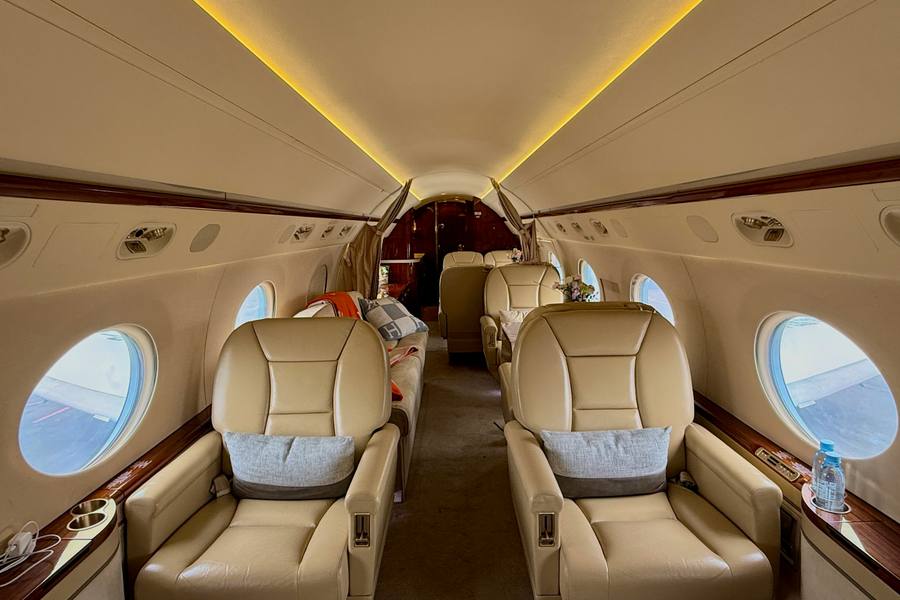
Jet cabins are where detailing work is most visible to passengers. Common materials and areas:
- Leather seating and divans, often in specific hides with their own care guidance; see Caring for Aircraft Leather Without Guessing at Compatibility
- Wood or composite veneers with high-gloss finishes that scratch easily
- Carpet and side panels, sometimes custom
- Plated hardware such as cup holders, seat trim, and fixtures
- Cabin displays and controls
- Galley and lavatory surfaces
AC 43-4B identifies lavatories, galleys, and doorways as areas where spilled food and waste can collect and attract moisture, and recommends cleaning them frequently. Cosmetic surface cleaning fits a detail. Lavatory system servicing, water system work, sealant, and anything below the floor belong to maintenance or the operator’s servicing provider.
Detailing should not involve removing seats, panels, or monuments, operating cabin systems beyond what the crew approves, or touching wiring or avionics. Cabin Care for Frequently Used Business Aircraft and Preparing an Aircraft Cabin for Passenger Travel go deeper on interior routines.
Who handles what beyond cosmetics
| Task | Who handles it |
|---|---|
| Exterior and interior cosmetic cleaning | Detailer, within agreed scope |
| Covers, plugs, and configuration | Crew or maintenance provider |
| Inlets, exhausts, engine and APU cleaning | Maintenance provider |
| Lavatory and water system servicing | Operator’s servicing or maintenance provider |
| Interior repairs and refurbishment | Completion center or interior shop |
| Towing and positioning | Crew, FBO, or maintenance provider |
Requesting a quote for a jet
When you request an aircraft detailing quote, include the make and model, where the aircraft is based and hangared, the cabin configuration and main materials, the contact who authorizes work and access, and your trip and maintenance calendar. For aircraft that fly often, a recurring care schedule coordinated with the flight department is usually the most practical approach.
Sources
- Advisory Circular 43-4B, Corrosion Control for Aircraft (Federal Aviation Administration)
- Managing Your Flight Department Like a Business (National Business Aviation Association (Business Aviation Insider))
- Textron Aviation Qualifies Sherwin-Williams Paint System (Aviation International News)
- FAA: Auto Detailers Not Suited To Clean Aircraft (Aviation International News)
This article is general information about cosmetic aircraft care. It is not maintenance guidance. Your aircraft's manufacturer documentation and your maintenance provider take precedence.