Cabin Care for Frequently Used Business Aircraft
How flight departments and owners of busy business aircraft can layer quick turns, periodic deep cleaning, and early wear reporting to keep a cabin in order.
NWA Aircraft Detailing Editorial · · 4 min read
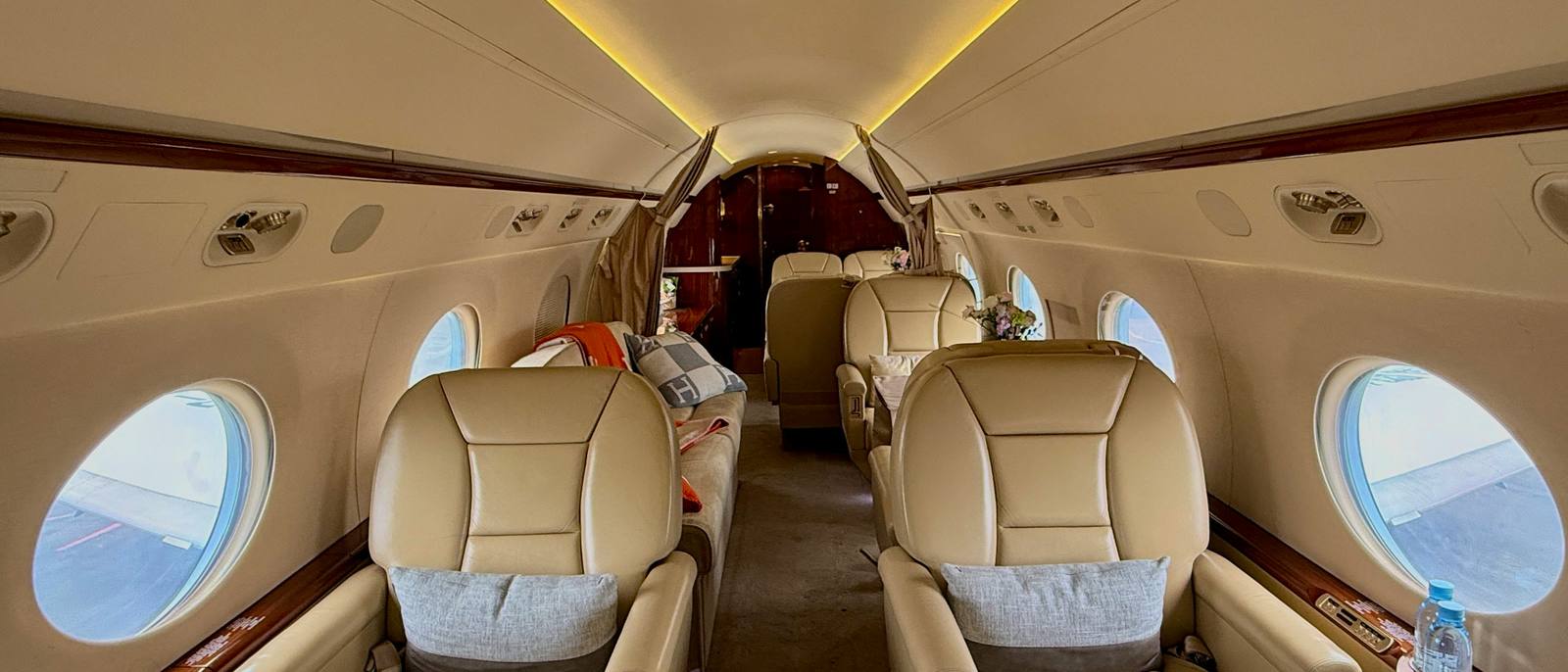
A business aircraft that flies often wears its cabin in a predictable pattern: the same seats, the same armrests, the same galley counter, the same strip of carpet at the door. The practical answer is a layered routine. Light care after trips keeps the cabin presentable, periodic deeper cleaning handles what builds up, and small damage gets reported early so an interior shop can address it while it is still small. All of it should follow the approved products and methods for that cabin’s materials.
Three layers of cabin care
Thinking in layers helps a flight department decide who does what, and when.
| Layer | When | Typical tasks | Usually done by |
|---|---|---|---|
| Post-flight tidy | After each trip or leg | Trash, galley and lav wipe-down, seat and carpet quick check, cups and linens out | Crew or line staff |
| Scheduled interior detail | On a cadence set by utilization | Full vacuum, material-specific seat cleaning, hard surfaces, cockpit wipe-down, inside of windows | Detailing provider |
| Deep cleaning and refurbishment checks | Less often, or before major events | Carpet and upholstery attention, leather conditioning where appropriate, condition notes | Detailing provider, plus interior shop for repairs |
The middle layer is where recurring aircraft care fits. The right cadence depends on hours flown, passenger count, how the cabin is used (meals, pets, families), and how the aircraft is stored.
One set of approved products for everyone
When crew, line service, and an outside detailer all touch the same cabin, the biggest risk is that each uses different products. Bombardier states that all flight attendants, crews, groomers, technicians, and service providers should use its Cabin Interior Grooming Guide as their reference, because it identifies approved products, methods, and equipment for each cabin material. The company links interior damage it has seen to non-approved products and techniques.
For any business aircraft, a short internal list is worth keeping:
- Approved cleaner for each surface type: leather, fabric, carpet, veneer, plated trim, stone, display lenses, transparencies.
- Products specifically not to use. Bombardier, for example, says ammonia-based or chlorinated cleaners should never be used on plated surfaces and that alcohol-based products should not be used on its leather seats.
- Where the guidance came from, so a new crew member or vendor can check it.
Sharing that list with the detailing provider before the first visit prevents a lot of guesswork.
High-touch surfaces get the attention
The CDC’s general facility guidance recommends cleaning high-touch surfaces regularly and other surfaces when they are visibly dirty. That logic translates well to a cabin. High-touch points in a typical business aircraft include:
- Seat armrests, controls, and tray table edges.
- Cabin management controls and switch panels.
- Door handles, airstair rails, and lav fixtures.
- Galley handles, drawer pulls, and counters.
- Cockpit yokes, throttles, and frequently used knobs (cleaned only with methods the avionics maker lists).
The CDC also notes that cleaning removes most germs on its own, and that disinfecting, when needed, follows cleaning. If a disinfecting step is used in the cabin, the product has to be compatible with each material, which brings it back to the approved list. This article does not make health claims about any product or routine.
Habits that slow cabin wear
Some wear is caused by use, and some by habits. Duncan Aviation offers a few practical observations for business aircraft interiors:
- Window shades. Duncan says keeping shades closed can weaken pleats over time and suggests storing them open or stowed when possible. Balance that against sun exposure where the aircraft is parked.
- Small repairs. Duncan recommends staying on top of cabinet repairs and touch-ups while they are small, and warns that excess sanding or polishing can damage the top coat on cabinetry.
- Leather. Duncan advises against silicone-based cleaners and conditioners on leather seats. More on that in caring for aircraft leather.
- Carpet. Routine cleaning extends carpet life, and wool or silk carpets need a cleaner familiar with those materials.
Report wear early
A detail is a good moment to look closely at the cabin. Useful things for a detailer to note and pass to the flight department:
- Scuffs or finish loss on veneer edges and cabinet corners.
- Leather wear at bolsters, seat edges, and entry-side seats.
- Loose or lifting carpet edges, worn traffic paths.
- Sticking drawers or latches, damaged trim, cracked plastic.
- Anything that looks like moisture or a fluid stain.
The detailer documents. Repairs, adjustments, and anything involving removal of interior components belong to the operator’s maintenance provider or interior shop.
Fitting cabin care around the schedule
Busy aircraft rarely sit long. Practical scheduling considerations:
- Book interior visits around known downtime, such as scheduled maintenance windows or slow weekdays. Our article on coordinating detailing with the aircraft’s schedule goes deeper.
- Confirm where the aircraft will be and that the facility allows the work. Access is confirmed per airport and per job.
- Allow drying time for any carpet or fabric work before the next departure.
- Agree on a short checklist for quick-turn visits so they stay quick.
For pre-trip specifics, see preparing an aircraft cabin for passenger travel. For broader considerations on larger aircraft, see detailing considerations for business jets.
Setting up recurring cabin care
If you manage a frequently flown aircraft, a quote request for recurring cabin care is most useful when it includes the aircraft type, typical monthly hours or trips, cabin layout and materials, any grooming guide or approved product list, where the aircraft is based, and preferred service windows. Send that through the quote request form, and we will discuss a cadence that fits your operation.
Sources
- Protecting your aircraft interior: The Cabin Interior Grooming Guide is your first reference (Bombardier Full Throttle)
- Four Ways to Improve Your Aircraft's Interior (Duncan Aviation)
- When and How to Clean and Disinfect a Facility (Centers for Disease Control and Prevention)
This article is general information about cosmetic aircraft care. It is not maintenance guidance. Your aircraft's manufacturer documentation and your maintenance provider take precedence.