Detailing Considerations for Turboprops
Detailing a turboprop: exhaust soot on nacelles and fuselage, deice boots, inlets, larger props, pressurized cabins, sensitive areas, and who handles what.
NWA Aircraft Detailing Editorial · · 4 min read
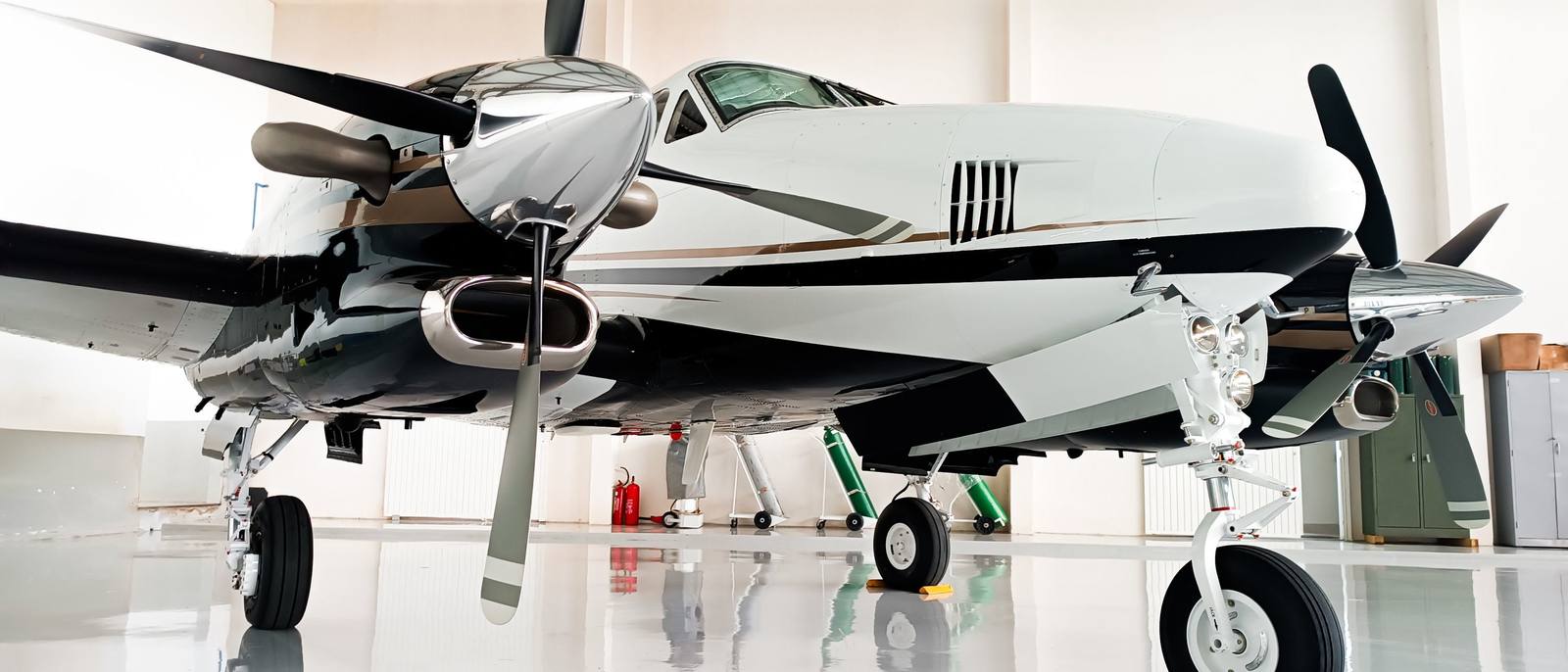
Turboprops combine the exterior challenges of a larger airframe with a cabin that often carries passengers. Exhaust soot along the nacelles or fuselage, ice protection equipment on leading edges, engine inlets and exhausts, larger propellers, and pressurized cabin doors and seals all need attention or careful avoidance. Many turboprops also fly frequently in business, charter, or utility roles, so scheduling around trips and maintenance matters as much as technique.
This article covers general considerations. The airframe, engine, and propeller manufacturers’ documentation, along with the paint and interior manufacturers’ care guidance, govern what is appropriate for a specific aircraft.
Exterior surfaces
Exhaust residue
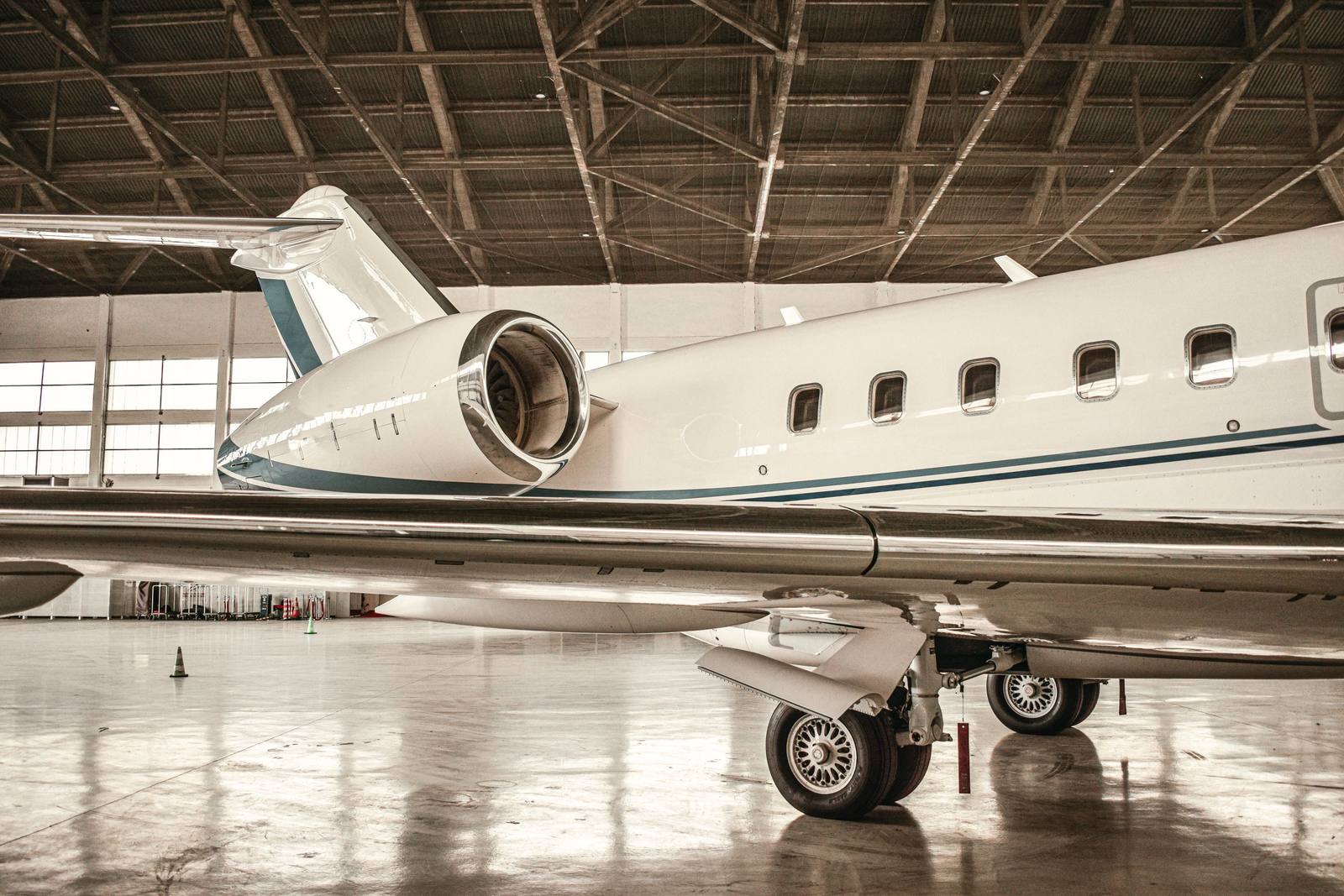
Turboprop exhaust stacks discharge along the sides of the nacelles or forward fuselage, depending on the design, and the airflow carries soot back across painted surfaces. FAA Advisory Circular 43-4B notes that jet engine exhaust deposits, like those from reciprocating engines, are “very corrosive,” and that residue can collect in gaps, seams, hinges, and fairings where normal cleaning does not reach.
Cleaning visible residue from painted surfaces is cosmetic. Removing fairings or access panels in the exhaust path, inspecting for corrosion, and treating it are maintenance tasks for the operator’s mechanic.
Paint systems
Many turboprops and other business aircraft are finished with a basecoat/clearcoat system. Textron Aviation, for example, has qualified a Sherwin-Williams exterior basecoat and clearcoat system for its Cessna, Beechcraft, and Hawker aircraft, as Aviation International News reported. Older aircraft may have single-stage paint or a mix of original and refinished panels. The paint system manufacturer’s care guidance applies, and knowing the system before cleaning or any polishing helps. Paint correction, polishing, and coatings are proposed offerings and depend on the finish.
Ice protection equipment
Many turboprops have pneumatic deice boots on wing and tail leading edges; others use different ice protection systems. Boots are rubber, not paint, and the boot manufacturer specifies what may be used on them. Bug and dirt removal from leading edges is common detailing work, but products and methods should follow that guidance. Any dressing or treatment of boots, and any inspection of their condition, should be confirmed with the operator’s maintenance provider.
Propellers
Turboprop propellers are larger than most piston propellers and may carry deice elements. Their care is governed by the propeller manufacturer and the maintenance program. Cosmetic cleaning of blades or spinners, if included, should stay within what the operator and mechanic approve. Nobody should rotate a propeller as part of detailing.
Belly and gear
As on other aircraft, the belly collects exhaust, oil, and runway grime. AC 43-4B describes the wheel well and landing gear area as one exposed to “mud, water, salt, gravel” and needing frequent cleaning, lubrication, and paint touch-up. Surface cleaning can be part of a detail; lubrication and touch-up are maintenance. Understanding Aircraft Belly Grime has more.
Sensitive areas, at a general level
Turboprops have more openings and probes than most piston aircraft. Typical areas to protect or avoid include:
- Engine inlets, inlet screens, and exhaust stacks
- Pitot tubes, static ports, and angle-of-attack or stall sensors
- Fuel vents, drains, and oil cooler openings
- Pressurization outflow and other vents
- Antennas and lights
- Control surfaces, hinges, and gaps
- Cabin and cargo door seals
AC 43-4B recommends protecting against water and cleaning compound intrusion at openings such as vents and pitot static openings during washing, and making sure those protections are removed afterward. Many operators use the manufacturer’s intake and exhaust covers. Agree in advance on who installs and removes protection, and confirm it at preflight.
Anything involving the inside of an engine inlet, engine components, or engine cleaning procedures is maintenance, performed according to the engine manufacturer’s instructions by the operator’s maintenance provider.
Interior
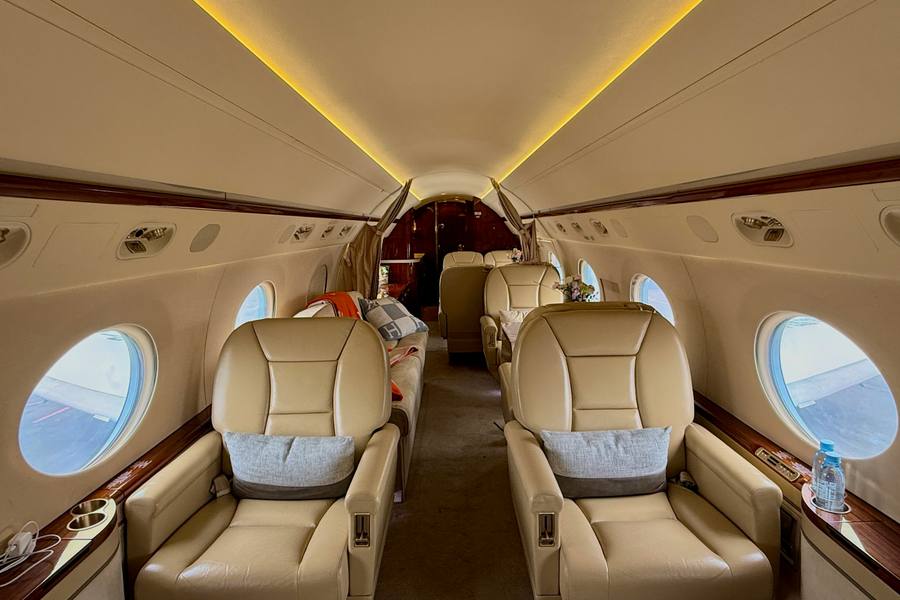
Turboprop cabins range from utility layouts to executive club seating. Common considerations:
- Leather seats, sometimes with wood or composite trim
- Carpet and side panels that see heavy traffic
- Cockpit glass displays and switch panels
- A refreshment cabinet or lavatory in some configurations
AC 43-4B identifies lavatory and galley areas as places where spills and waste can collect and retain moisture, and recommends frequent cleaning there. Cosmetic cleaning of those surfaces fits a detail. Sealant, structure, and anything beneath the floor belong to maintenance.
Products should suit each material, following the interior and completion manufacturers’ guidance. Detailing should not involve removing seats or panels, powering avionics, or touching wiring. Cabin Care for Frequently Used Business Aircraft covers high-use cabins.
Scheduling
Turboprops used for business or charter often have tight calendars and planned maintenance cycles. Cleaning windows tend to fall between trips or around scheduled maintenance events. Avoid detailing while the aircraft is opened up for maintenance, and let the maintenance provider set the rules in their facility. Coordinating Detailing With Your Aircraft’s Existing Schedule explains how.
Who handles what beyond cosmetics
The FAA has said that washing alone is not maintenance, but that some procedures within washing are maintenance-related, and it has cautioned operators about providers who cannot follow those procedures, as reported by Aviation International News. A clear division of tasks avoids that problem:
| Task | Who handles it |
|---|---|
| Exterior and interior cosmetic cleaning | Detailer, within agreed scope |
| Intake and exhaust covers | Operator or crew, per manufacturer procedures |
| Engine inlets, engine cleaning, propeller care | Maintenance provider |
| Deice boot treatment and inspection | Maintenance provider, per boot manufacturer guidance |
| Post-wash lubrication | Maintenance provider, per the maintenance manual |
| Moving the aircraft | Operator, crew, FBO, or maintenance provider |
Requesting a turboprop quote
When you request an aircraft detailing quote, include the make and model, where the aircraft is based, whether it is hangared, the cabin configuration, and your trip and maintenance calendar. For jets, see the companion article, Detailing Considerations for Business Jets.
Sources
- Advisory Circular 43-4B, Corrosion Control for Aircraft (Federal Aviation Administration)
- FAA: Auto Detailers Not Suited To Clean Aircraft (Aviation International News)
- Textron Aviation Qualifies Sherwin-Williams Paint System (Aviation International News)
This article is general information about cosmetic aircraft care. It is not maintenance guidance. Your aircraft's manufacturer documentation and your maintenance provider take precedence.