Preparing an Aircraft Cabin for Passenger Travel
How to time and sequence cabin cleaning before a passenger trip, what to check the day before departure, and which tasks belong to crew, detailer, or mechanic.
NWA Aircraft Detailing Editorial · · 4 min read
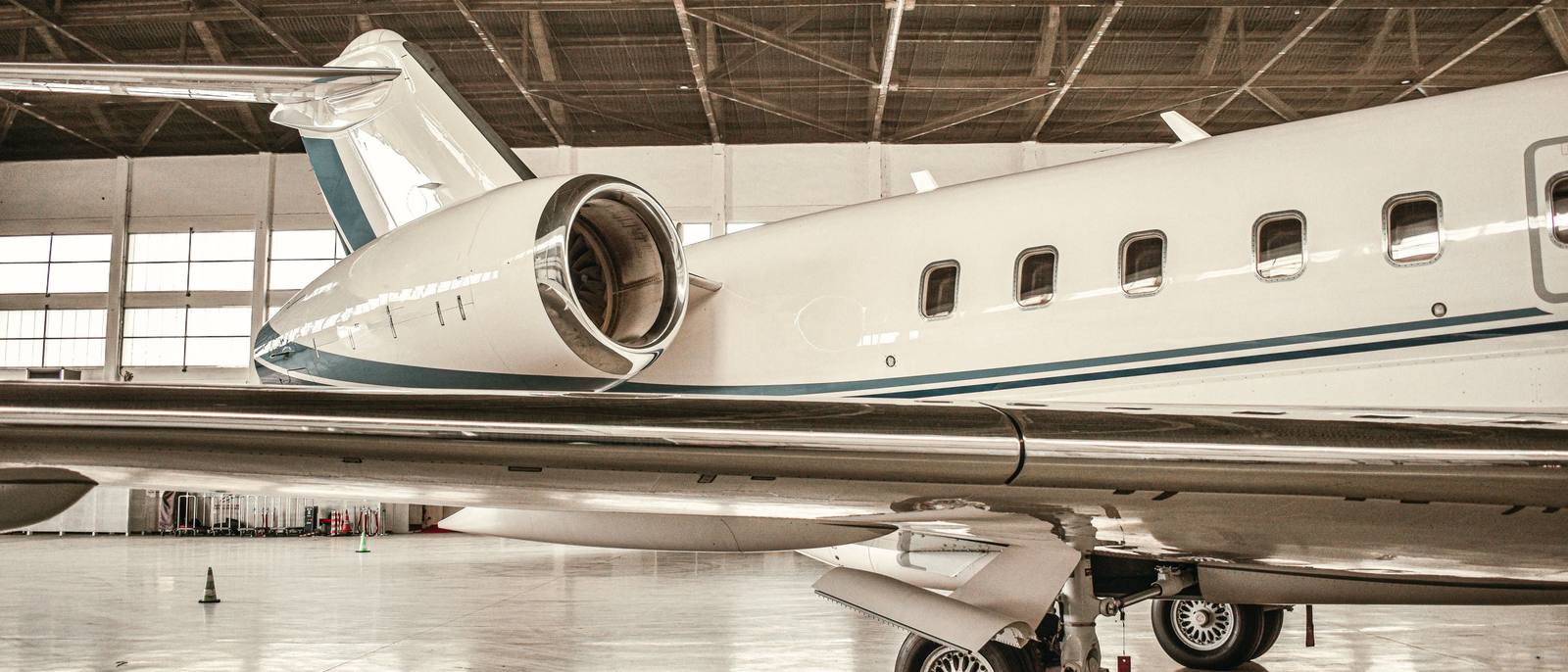
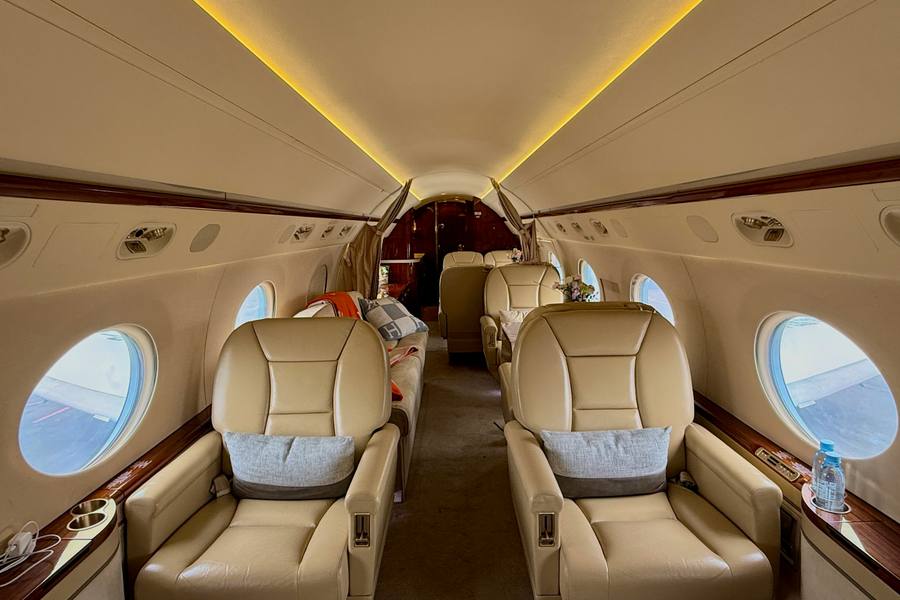
Preparing a cabin for passengers is mostly a timing problem. The cleaning itself follows the same material rules as any interior detail, but it has to finish early enough for surfaces to dry and the cabin to air out, and late enough that nothing gets dirty again before departure. A day-before detail with a short final check on the morning of the trip works for many operators. The aircraft’s care guidance and the facility’s rules still set the limits.
Work backward from departure
Start with the departure time and count back. Questions that shape the plan:
- Where will the aircraft be the day before? Hangared at home base, at an FBO, or on a ramp? Access for cleaning has to be confirmed with the airport or facility for that date.
- Is carpet or fabric work needed? Anything involving moisture needs drying time, which depends on the material, method, and conditions. That pushes the work earlier.
- Is maintenance happening first? If the aircraft is in for maintenance before the trip, cleaning should follow the maintenance work, not compete with it. The maintenance provider decides when the cabin is available.
- Who will be on site? Someone from the operator should be available to open the aircraft, authorize any power or systems use, and do the final walk-through.
For a sense of how much time different scopes take, see how long aircraft detailing takes.
A sensible order of work
A typical pre-trip sequence moves from top to bottom and from dry to wet, so debris falls onto surfaces that have not been cleaned yet:
- Remove trash, personal items left from the last trip, used linens, and loose supplies. Note anything that belongs to a passenger.
- Dry debris removal from headliner area, shelves, seat seams, side ledges, and finally carpet.
- Hard surfaces such as tables, ledges, and cabinetry, using products approved for each finish.
- Seats, by material: leather, fabric, or synthetic.
- Galley and lavatory surfaces, fixtures, and mirrors with finish-appropriate products. Bombardier advises removing grease and wiping water droplets from sinks and faucets after each flight, and warns that ammonia-based or chlorinated cleaners should never be used on plated surfaces such as faucets and decorative trim.
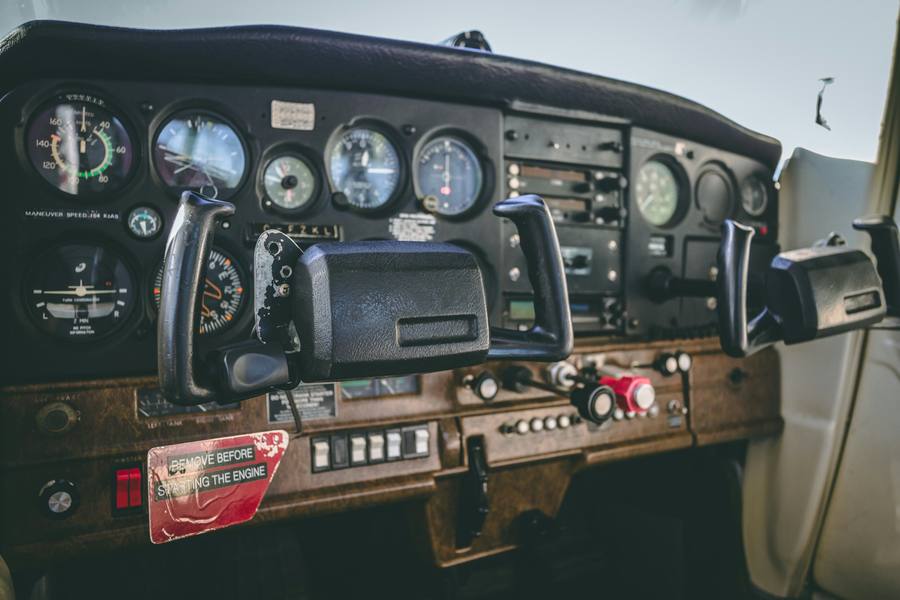
- Cockpit high-touch surfaces and display faces, using only methods the avionics maker lists. Garmin, for example, lists a microfiber cloth, a cloth dampened with clean water, or a lens cleaner labeled safe for anti-reflective coatings for its displays.
- Inside of windows with products approved for the transparency material.
- Carpet last, with a final vacuum and any spot work.
Bombardier’s Cabin Interior Grooming Guide is built on the idea that each material has approved products and methods. Owners of other aircraft should use the equivalent guidance for their cabin.
The day-of check
A final check on departure day should be quick and done by someone who knows the trip:
- Seats upright and positioned as passengers will expect, belts laid out neatly.
- Carpet free of anything tracked in since the detail.
- Galley and lav surfaces dry and wiped.
- Windows and displays free of fingerprints.
- Cabin aired out, with no residual cleaner smell.
- Window shades set as the operator prefers. Duncan Aviation suggests storing shades open or stowed when possible to protect pleats, so many operators set them just before boarding.
Catering, linens, amenities, and cabin supplies are typically handled by the crew or operator. If a detailer is asked to stage anything, agree on that in advance.
Odors before a trip
A cabin that smells of cleaner is not much better than one that smells of last week’s lunch. Allow ventilation time and avoid adding fragrances unless the operator wants them and they are compatible with the materials. If there is a musty, fuel, exhaust, or burning smell, that is not a cleaning problem and should go to the owner or mechanic before the trip. Our article on cabin odors explains why.
What the detailer should report, not fix
Pre-trip cleaning is a close look at the cabin right before people use it. Anything found should go to the operator promptly:
- Seat that does not adjust or lock normally.
- Loose trim, sticking drawers or latches.
- New stains that could be fluid, especially near floor seams.
- Damaged or cracked surfaces, scratched windows or display lenses.
- Items left by previous passengers.
Adjusting seats beyond normal passenger controls, repairing trim, or anything involving systems belongs to the operator’s maintenance provider.
Building it into a routine
Operators that fly passenger trips often benefit from a standard pre-trip checklist shared between the crew and detailing provider. The checklist should list approved products by surface, the order of work, the day-of checks, and who signs off. That consistency is part of what recurring aircraft care is meant to provide. For the broader picture of busy cabins, see cabin care for frequently used business aircraft.
Requesting a pre-trip cabin detail
When asking for aircraft interior detailing ahead of a trip, include the departure date and time, where the aircraft will be the day before, the cabin layout and materials, any approved product list, specific concerns, and who will provide access. Earlier notice gives more scheduling options, especially if carpet work is wanted. Send details through the quote request form.
Sources
- Protecting your aircraft interior: The Cabin Interior Grooming Guide is your first reference (Bombardier Full Throttle)
- Four Ways to Improve Your Aircraft's Interior (Duncan Aviation)
- Caring For Your Avionics (Garmin)
This article is general information about cosmetic aircraft care. It is not maintenance guidance. Your aircraft's manufacturer documentation and your maintenance provider take precedence.