Fall Aircraft Cleaning and Storage Planning
Why fall is a practical time to clean off summer residue and plan winter storage, what to coordinate with maintenance, and what detailing does and does not cover.
NWA Aircraft Detailing Editorial · · 5 min read
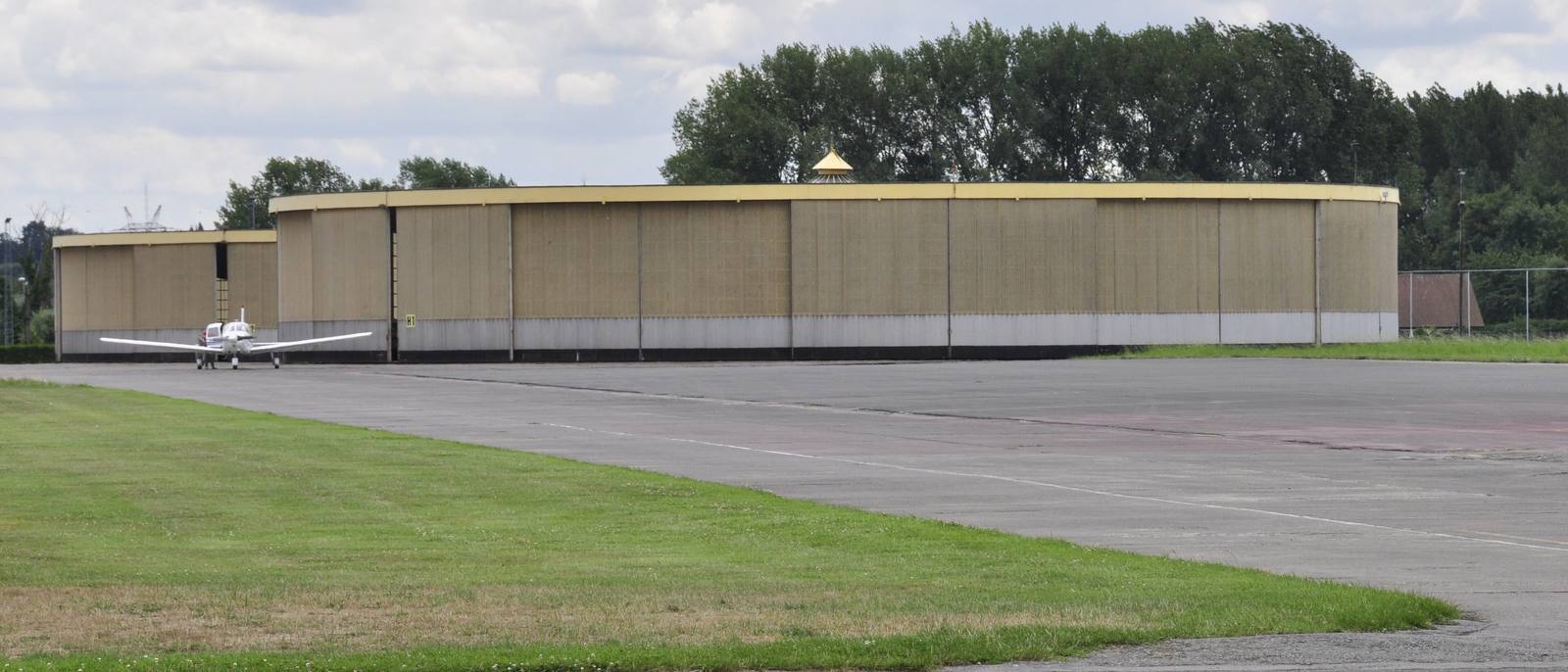
Fall is a practical point in the year to clean off a summer’s worth of residue and decide how the aircraft will spend the winter. Insect remains, exhaust staining, and cabin wear are easier to address while the weather still allows comfortable washing, and a clean aircraft going into a slower season is easier to keep presentable than one that sits with summer grime. Fall is also the time to sort out storage and maintenance plans, because those decisions shape what kind of detailing makes sense.
Why fall instead of waiting until spring
Residue that sits all winter does not get easier to remove. Insect remains harden, exhaust deposits set into seams, and dust layers build on top of everything. In the cabin, crumbs, spills, and summer clutter that stay put through a few months of closed-up storage can lead to odors that are harder to clear later.
Fall weather in the region is often mild enough for exterior work that becomes harder to schedule once nights turn cold. Planning a season-end detail before winter avoids competing for limited heated hangar time later. Our article on winter detailing scheduling and facilities explains why winter appointments take more coordination.
What a fall detail usually covers
| Area | Fall focus |
|---|---|
| Leading edges, nose, windshield, spinner | Summer insect residue before it sits all winter |
| Belly and exhaust areas | Exhaust and oil film from a season of flying |
| Gear and wheel areas | Accumulated grime, cleaned at a level appropriate to a detailer |
| Upper surfaces | Late-season dust, pollen, and leaf debris |
| Cabin | Vacuuming, wipe-down, removing items that should not sit for months |
| Leather and trim | Cleaning and conditioning with manufacturer-compatible products |
Pollen does not stop in spring. The American Academy of Allergy, Asthma & Immunology notes that late summer and fall hay fever is caused by weed pollen. On an aircraft it is usually lighter than the spring tree pollen film, but it still settles on upper surfaces. Leaves, seeds, and twigs also blow into hangar corners and onto tie-down aircraft in autumn. A thorough wash catches debris that has worked into seams and around fairings.
Storage decisions come first
How the aircraft will be stored over winter changes what makes sense to do in fall. A few common situations:
- Flying regularly through winter, hangared: a fall detail followed by lighter maintenance cleaning through the cold months
- Flying occasionally, tied down outdoors: a fall detail, then planning for how and where cleaning can happen once temperatures drop
- Laid up for an extended period: a thorough detail before the aircraft sits, with particular attention to the cabin
If you are moving the aircraft into a hangar for the season, cleaning it before it goes in avoids bringing summer residue into a space where it will sit. For how storage type affects exterior cleaning in general, see How Aircraft Storage Affects Exterior Cleaning Needs.
Storage preservation is a maintenance matter
Some owners use the fall to plan a period of reduced flying. It is worth being clear about where detailing ends.
Cessna’s information manual for the 172S, as one model example, addresses flyable storage in Section 8. It describes a minimum recommended engine operating frequency, notes that aircraft in humid regions are in greater need of engine preservation, states that appropriate engine preservation procedures must be practiced by the owner or operator, and refers inactive periods longer than 30 days to the engine manufacturer’s service letter and the maintenance manual for proper storage procedures.
None of that is detailing. Engine preservation, fuel, battery, and airframe storage procedures belong to the owner, the operator, and a certificated mechanic, following the aircraft and engine manufacturers’ guidance. A detailer cleans surfaces. The useful overlap is scheduling: if the aircraft is going into storage, a detail can be timed before the storage work so the aircraft is clean when it is put away.
Coordinating with inspections
Many owners schedule annual or phase inspections in the slower months. FAA Advisory Circular 43-4B, in its guidance for mechanics on corrosion inspections, states that the aircraft should be washed prior to any inspection for corrosion. Whether your mechanic wants the aircraft washed before an inspection, and how, is their call. Asking the question when you book the inspection helps you decide whether the fall detail should come before or after the shop visit.
Detailing does not replace inspection, and it is not a corrosion prevention program. It is cosmetic cleaning that can be scheduled to fit around maintenance. Coordinating Detailing With Your Aircraft’s Existing Schedule covers the sequencing in more detail.
Cabin preparation before a quiet season
The cabin benefits most from a fall reset when the aircraft will fly less. Useful steps include:
- Removing food, drinks, trash, and anything that can leak or attract pests
- Taking out personal items, headsets, and documents that should not stay in a cold or damp cabin
- Vacuuming carpet and seats, including seat tracks and side pockets
- Cleaning and conditioning leather with products the interior manufacturer allows
- Making sure any cleaned surfaces are fully dry before the aircraft is closed up
Interior Care During Extended Aircraft Storage goes further for aircraft that will sit for months.
A fall planning checklist
- Decide how the aircraft will be stored and flown over winter
- Book any inspections and ask your mechanic about washing before or after
- Schedule an exterior and interior detail while the weather still suits it
- Clear the cabin of anything that should not sit for months
- Confirm with your airport or hangar operator where cleaning can take place as temperatures drop
- Leave engine and airframe storage procedures to the owner, operator, and mechanic
Requesting a fall detail
When you request a quote, include the aircraft type, home airport, how it will be stored this winter, any planned inspection dates, and whether you want the cabin included. If you would like cleaning to continue through the winter on a schedule, ask about recurring aircraft care. Access at any airport is subject to airport and facility approval.
Sources
- Cessna Model 172S NAV III Information Manual, Section 8: Flyable Storage and Cleaning and Care (Cessna Aircraft Company)
- Advisory Circular 43-4B, Corrosion Control for Aircraft (Federal Aviation Administration)
- Outdoor Allergens (American Academy of Allergy, Asthma & Immunology)
This article is general information about cosmetic aircraft care. It is not maintenance guidance. Your aircraft's manufacturer documentation and your maintenance provider take precedence.