What Is Included in an Aircraft Interior Detail?
What an aircraft interior detail usually covers, what it leaves to maintenance, and how material identification shapes the scope of a cabin or cockpit cleaning.
NWA Aircraft Detailing Editorial · · 4 min read
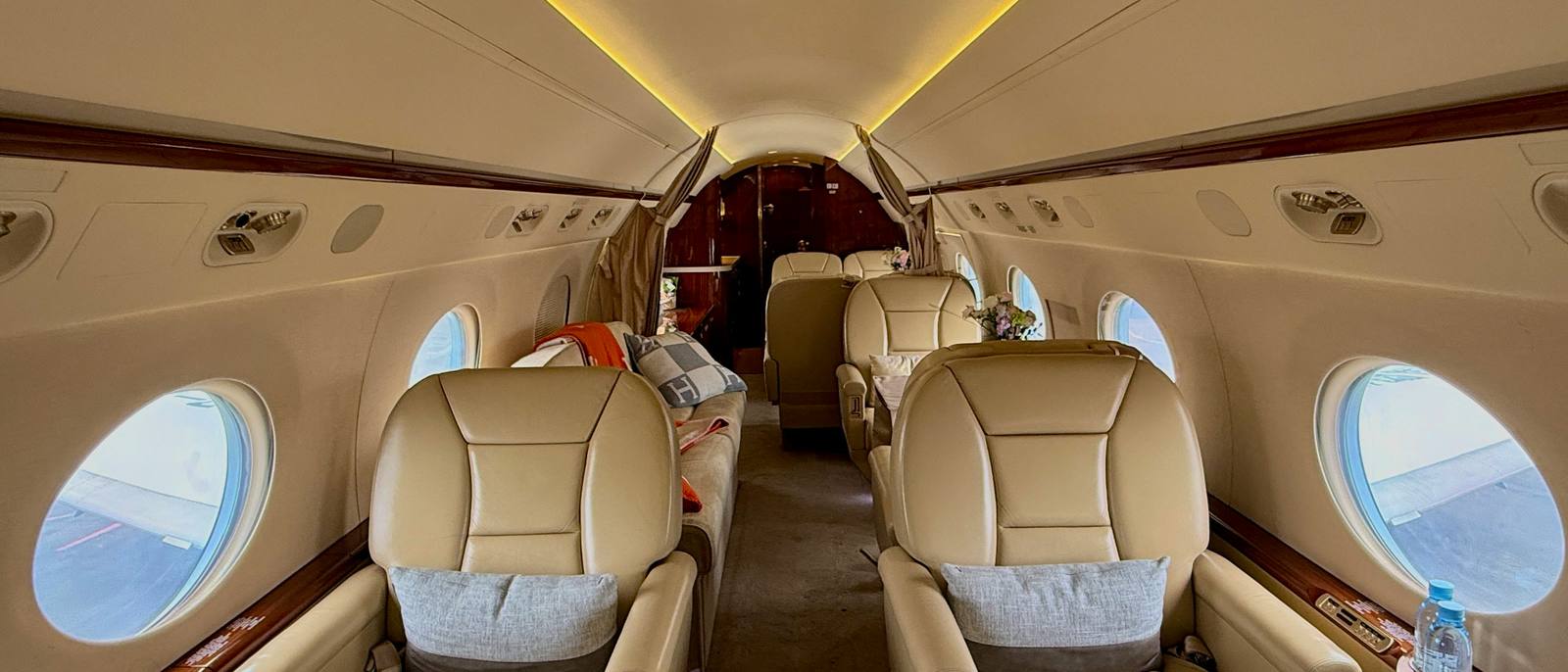
An aircraft interior detail is a cosmetic cleaning of the cockpit and cabin: removing debris, cleaning hard and soft surfaces, and treating each material with methods that suit it. What it includes depends less on a fixed menu and more on what the interior is made of, how the aircraft is used, and what the manufacturer’s care guidance allows. It does not include repairs, removal of seats or panels, or anything that touches aircraft systems.
The usual scope, surface by surface
Most interior details work through the same zones, but the method in each zone changes with the material. A useful way to read any proposal is to check whether it names surfaces and materials, not just “full interior.”
| Zone | Typical cosmetic work | What decides the method |
|---|---|---|
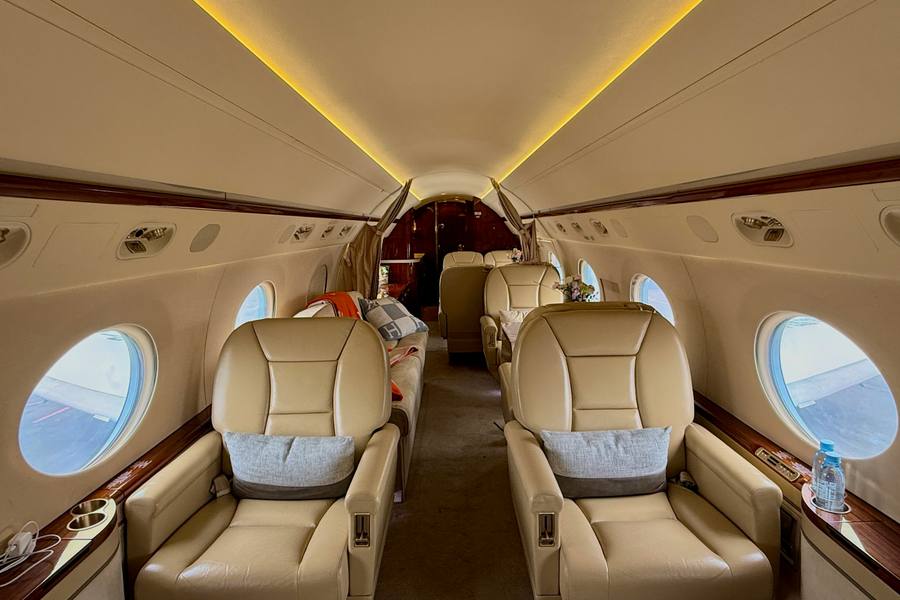
| Carpet and floor mats | Vacuuming, spot attention, edges and tracks that are reachable | Fiber type (nylon, wool, wool blends, silk), backing, installed or removable |
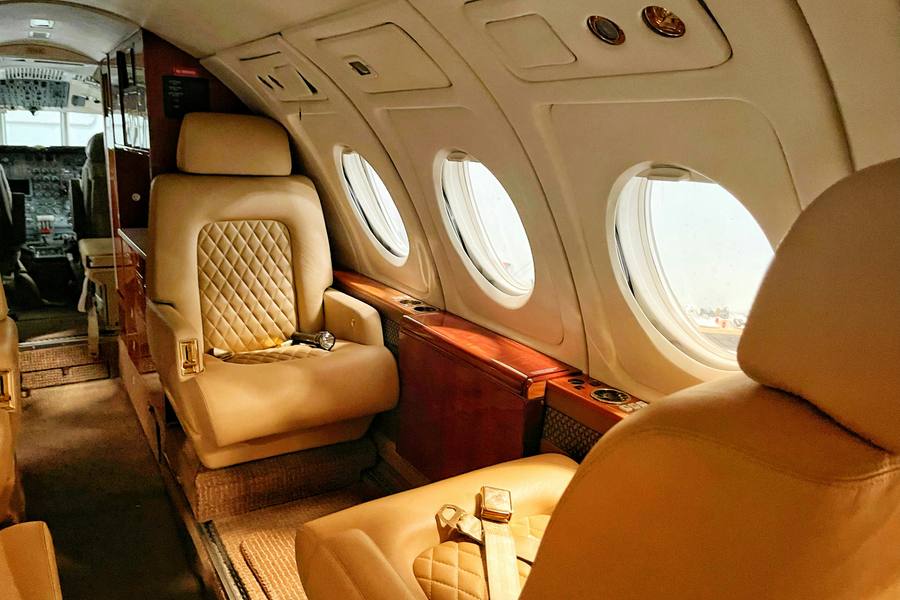
| Seats | Vacuuming seams, cleaning leather, vinyl, or fabric surfaces | Leather finish and topcoat, fabric treatment, manufacturer approved products |
| Sidewalls, headliner, panels | Wiping hard trim, careful cleaning of soft panels | Material, adhesive bonds, whether moisture is tolerated |
| Cabinetry, veneer, plated trim | Dusting and wiping with finish-appropriate products | Veneer finish, plating, stone or specialty surfaces |
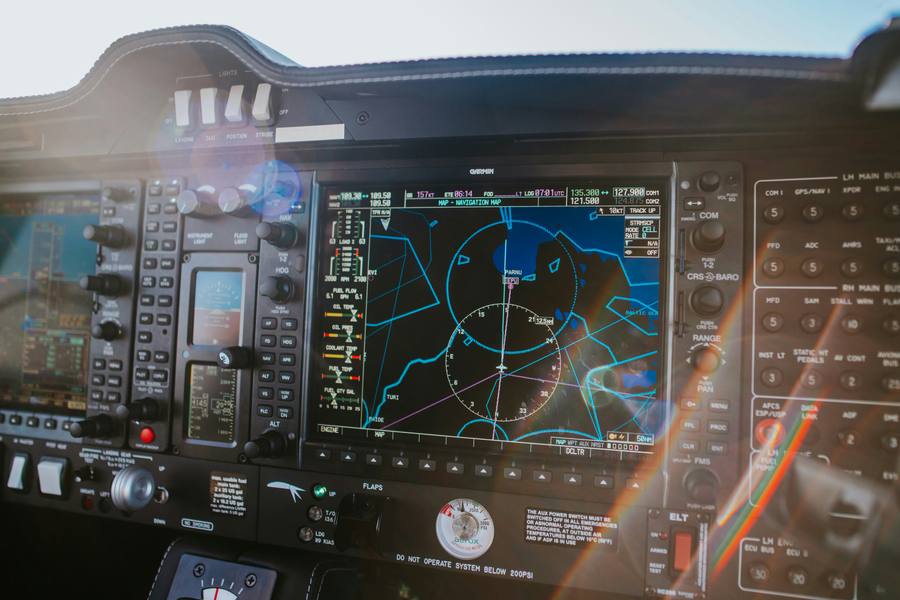
| Cockpit | Yokes or sticks, glareshield, side panels, floor, seat surfaces | Proximity to avionics and controls, display coatings |
| Displays and panel faces | Gentle wiping only with methods the avionics maker lists | Anti-reflective coatings, moisture limits |
| Interior side of windows | Cleaning with transparency-safe products | Acrylic or other transparency material and its maker’s guidance |
Bombardier’s guidance for its own aircraft makes the same point in strong terms: its Cabin Interior Grooming Guide identifies approved cleaning products, methods, and equipment for each cabin material and surface, and the company recommends consulting it before cleaning anything. It links recent interior damage on its fleet to non-approved products and techniques. Owners of other makes should look for the equivalent care section in their aircraft’s documentation, or ask the interior shop that built or refurbished the cabin.
What material identification looks like in practice
Before any product touches a surface, the materials should be identified. That sounds obvious, but two cabins that look alike can be very different underneath. A few examples drawn from published manufacturer guidance:
- Leather can carry a protective topcoat that alcohol-based wipes may strip. Bombardier says alcohol-based disinfectants should not be used on its leather passenger seats. Duncan Aviation advises against silicone-based cleaners and conditioners on leather.
- Carpets with silk fibers can be damaged by cyclonic and beater bar vacuums, according to Bombardier. Duncan notes that wool and silk carpets need extra care.
- Plated trim such as faucets and decorative pieces can be harmed by ammonia-based or chlorinated cleaners.
- Fire-treated fabrics may have restrictions on water, which Bombardier states plainly for its own interiors.
- Display glass in many avionics has anti-reflective coatings. Garmin lists a microfiber cloth, a soft cotton cloth dampened with clean water, or an eyeglass lens cleaner labeled safe for anti-reflective coatings, and warns against cleaners containing ammonia.
These are examples, not universal rules. Your aircraft’s documentation and the material makers’ guidance govern. Deeper discussion lives in our articles on leather compatibility, carpet and upholstery, and cleaning around cockpit displays.
What an interior detail does not include
A clear scope also states what is out of bounds. In an interior detail, the following belong to the owner, operator, or a certificated mechanic or repair station:
- Removing seats, panels, carpets, or interior components.
- Opening avionics bays or panels, or operating systems beyond what the owner or operator authorizes for cleaning (for example, a display’s screen cleaning mode, if they choose to enable it).
- Repairing tears, re-dyeing leather, refinishing veneer, or replacing materials. Duncan Aviation describes these as interior repair tasks such as spot dyeing leather and touching up cabinetry.
- Diagnosing odors that may come from fluid leaks, exhaust, or water intrusion.
- Anything affecting airworthiness or return to service.
If a detailer notices something during cleaning, such as a loose trim piece, a stain that looks like fluid seepage, or damp carpet, the useful response is to note it and tell the owner, not to fix it.
Light, standard, and deep: how scope usually scales
Interior work tends to fall into three broad levels. The labels vary, so ask what each includes.
- Turn or refresh. Trash out, vacuum, wipe high-touch hard surfaces, tidy the cockpit. Suited to aircraft flying often.
- Standard interior detail. All accessible surfaces cleaned by material type, seats and carpet given full attention, windows on the inside cleaned with appropriate products.
- Deep or restorative cleaning. Extended time on carpet and upholstery, stain attention, leather cleaning and conditioning where the material allows. Results depend on the age and condition of materials and are not guaranteed.
Frequent flyers often pair a periodic deep clean with lighter visits in between, which is the logic behind recurring aircraft care.
Questions worth settling before the appointment
- What are the seat, carpet, and trim materials, and is there a care guide from the manufacturer or interior shop?
- Are there known stains, prior repairs, or areas you want left alone?
- Who will be present to authorize any cockpit actions, such as enabling a clean screen mode?
- Where will the work happen, and has the airport or facility approved it?
A fuller checklist appears in our related article on questions to ask before booking cabin detailing.
Requesting an interior quote
If you are considering aircraft interior detailing, a useful request includes the aircraft make and model, seat count, seat and carpet materials if known, any care documentation you have, problem areas, and where the aircraft is based. Photos of seats and carpet help. You can send those details through the quote request form, and we will discuss scope before anything is scheduled.
Sources
- Protecting your aircraft interior: The Cabin Interior Grooming Guide is your first reference (Bombardier Full Throttle)
- Four Ways to Improve Your Aircraft's Interior (Duncan Aviation)
- Caring For Your Avionics (Garmin)
This article is general information about cosmetic aircraft care. It is not maintenance guidance. Your aircraft's manufacturer documentation and your maintenance provider take precedence.