Winter Aircraft Detailing: Scheduling and Facility Considerations
Why winter aircraft detailing in Northwest Arkansas depends on heated hangar access, freezing temperatures, and drying time, and how to plan a winter appointment.
NWA Aircraft Detailing Editorial · · 5 min read
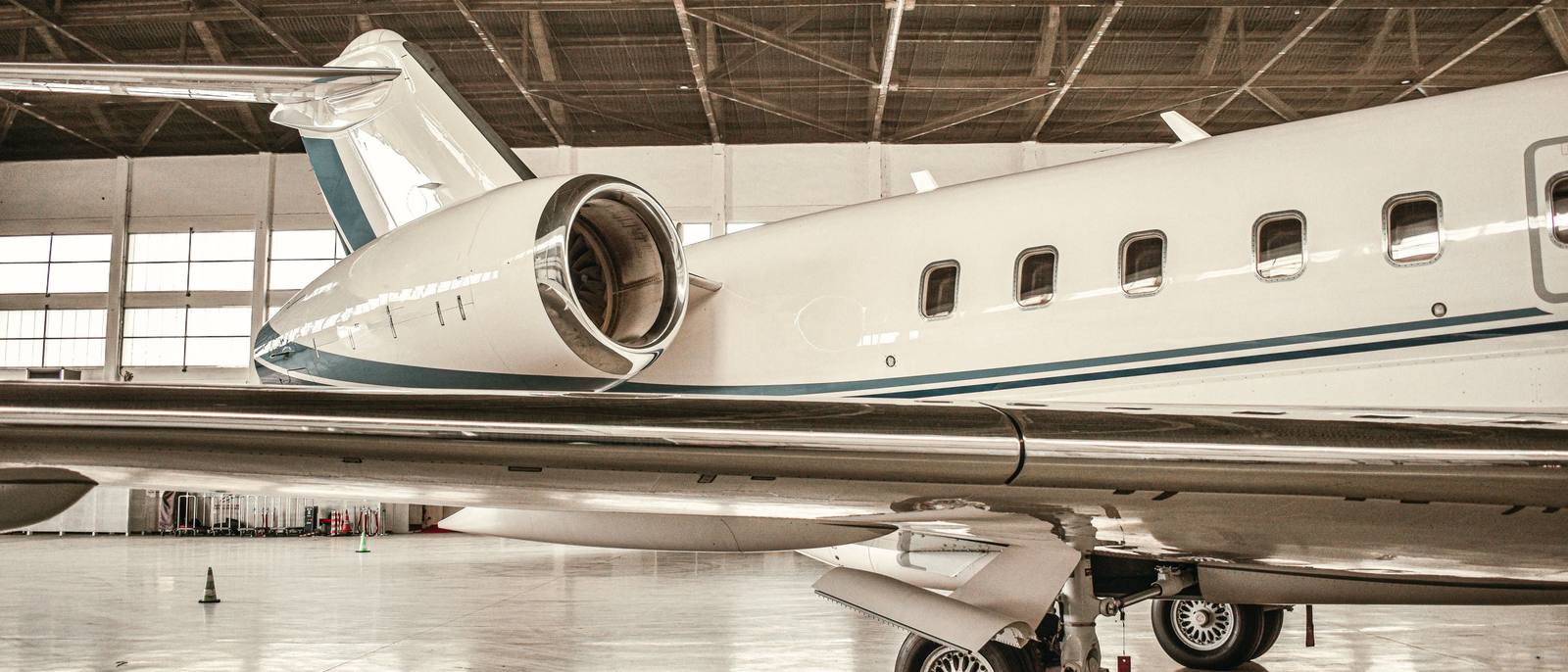
Winter aircraft detailing is possible, but it depends far more on the facility than detailing in other seasons. Water on a cold airframe or ramp can freeze, wet surfaces dry slowly, and wash racks or outdoor water may not be usable on cold days. The practical questions for a winter appointment are where the work will happen, whether a heated hangar is available, and how much flexibility the schedule has for weather.
What changes in winter
Northwest Arkansas winters are generally mild compared with northern states, but freezing nights are normal. National Weather Service normals for Fayetteville (1991 to 2020) put the normal January low at 25.1°F and the normal January high at 47.7°F, with normal January snowfall of 1.5 inches. Individual winters vary widely, and ice events matter more to scheduling than averages do.
Those conditions affect detailing in a few ways:
- Freezing water. Rinse water can freeze on an airframe, in seams, or on the ramp underfoot. Ice on the ramp is also a safety issue for anyone working around the aircraft.
- Slow drying. Surfaces, cabins, and carpets take longer to dry in cold air. Water left in seams, around fairings, or near openings is a concern when temperatures drop.
- Short daylight. Fewer working hours in the day, especially for work that needs good light to see the finish.
- Facility availability. Heated hangar space is often in demand in winter, and outdoor water may be shut off or unavailable at some locations.
Heated hangar access is the main variable
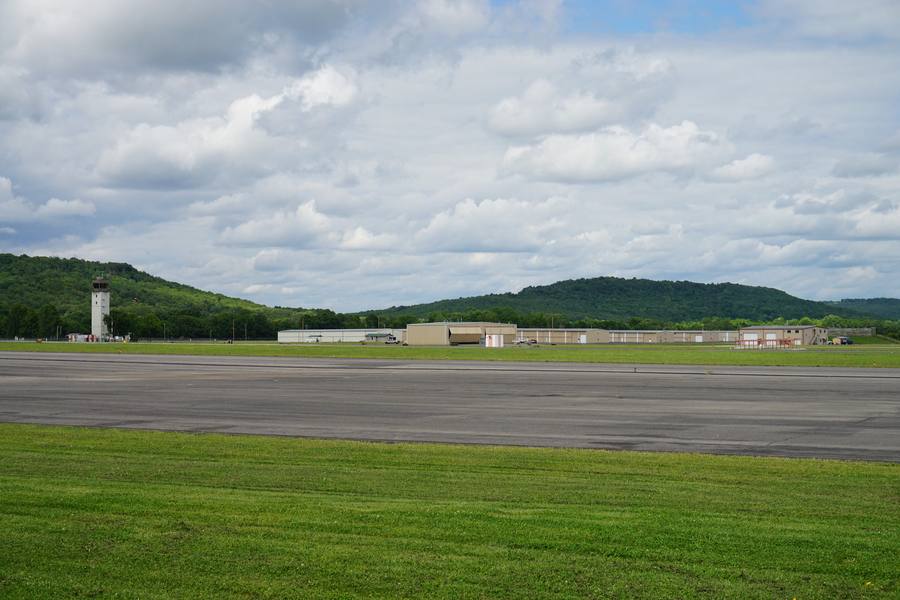
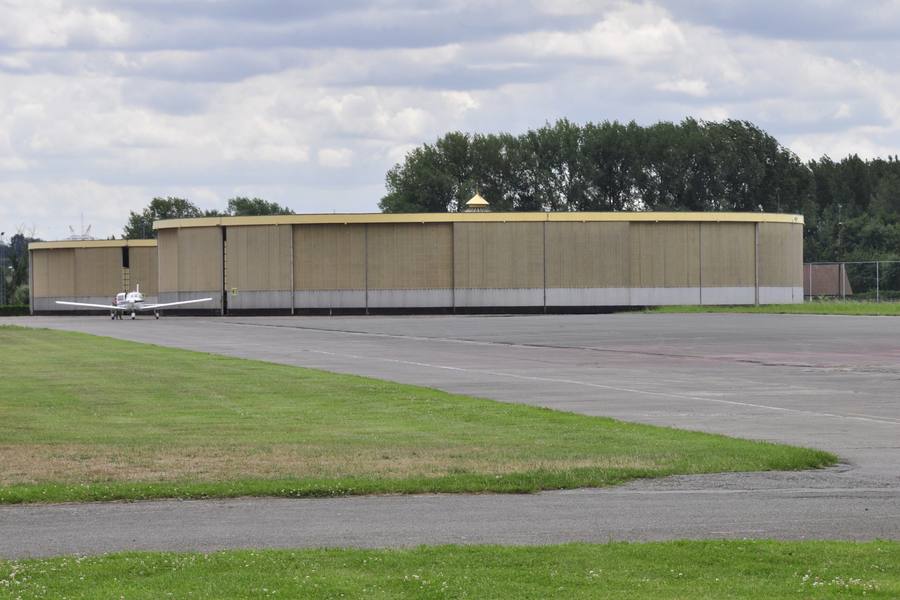
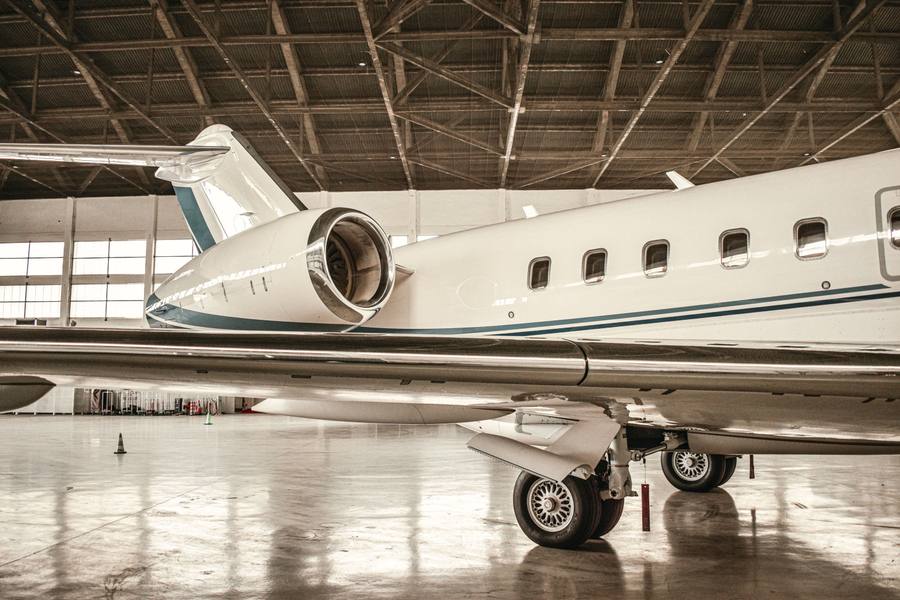
For a full wet wash in cold weather, a heated hangar with a place to wash and drain water is usually what makes it practical. Whether one is available varies by airport, by hangar operator, and by the day. It should never be assumed.
Questions worth answering before booking:
| Question | Why it matters |
|---|---|
| Is the aircraft based in a heated hangar, an unheated hangar, or outdoors? | Determines whether wet work is realistic on a given day |
| Does the hangar or airport allow washing inside, and where does water go? | Many hangars do not permit wet washing or have no floor drainage |
| Is there water access, and is it protected from freezing? | Outdoor spigots and wash racks may be unavailable in cold weather |
| Is electrical power available for lighting and equipment? | Short winter days make lighting more important |
| Who needs to approve access, and with how much notice? | Airport and facility approval is required for each job |
| Who will move the aircraft, if it needs to move? | Moving the aircraft is the owner’s or operator’s responsibility, not a detailing task |
Our article on mobile detailing access and facility questions covers the general version of this list. In winter, the answers determine what kind of work is possible at all.
What kind of work fits winter
When a heated wash location is not available, winter work often shifts toward:
- Interior detailing. Cabins can be cleaned in a hangar or on a mild day, though drying time and ventilation still need planning.
- Dry-wash or low-water exterior cleaning. For light soiling, where the paint system manufacturer’s guidance allows it. Our article on dry-wash methods explains the limits.
- Transparency cleaning. Using products approved by the aircraft and transparency manufacturer.
- Deferring the full wash. Scheduling a complete exterior wash for the first stretch of mild weather, or for a time when heated space is confirmed.
Many owners handle winter by getting a thorough detail done in fall, then keeping up with lighter cleaning until spring. Fall Aircraft Cleaning and Storage Planning covers that approach.
Openings and water in cold weather
Water near openings is a concern in any season. The FAA’s Aviation Maintenance Technician Handbook says to install covers over openings where water or cleaners might enter and to pay particular attention to pitot-static fittings and ports. In cold weather, any water that does get into seams or openings has more opportunity to freeze before it dries. Detailers should work around these areas at a general level and follow the aircraft manufacturer’s guidance. Checking that ports, vents, and drains are clear before flight is the pilot’s job and, where needed, a certificated mechanic’s.
Winter residues and transparencies
Winter operations can leave residues that are not present the rest of the year, such as film from deicing fluids. Removing ice and frost before flight, and choosing deicing methods, are operator decisions governed by the aircraft manufacturer, and they are not detailing tasks. What matters for cleaning is that some of these chemicals should not touch certain materials.
Manufacturer guidance is specific here. Cessna’s 172S information manual, as one example, cautions that isopropyl alcohol used for ice removal should be kept away from the windshield and cabin windows because it will attack the plastic and may cause crazing, and lists anti-ice fluid among the materials never to use on the plastic. The same manual notes that wax will generally need to be reapplied after chemical deicing operations, and it says not to use a canvas cover on the windshield unless freezing rain or sleet is anticipated, since the cover may scratch the plastic. The FAA handbook similarly lists deicer fluid among substances not to use on plastics.
Your aircraft’s documentation governs what applies to it. When winter residue is visible, mention it in a quote request so the cleaning plan can account for the materials involved.
Building flexibility into a winter appointment
Winter detailing works best with some give in the schedule:
- Book a primary date and a backup date
- Confirm facility access a day or two before the appointment
- Allow more time than a summer appointment of the same scope, mainly for drying
- Agree in advance on what happens if the weather turns (reschedule, or switch to interior-only work)
How Long Does Aircraft Detailing Take? explains the factors that affect timing in general. In winter, facility and drying time usually add to them.
Requesting a winter detail
When you request a quote for winter work, include the aircraft type, home airport, whether it is in a heated hangar, unheated hangar, or outdoors, whether washing is permitted where it is stored, your preferred dates and how flexible they are, and whether interior work alone would be useful if the weather does not cooperate. All service is subject to airport and facility approval, confirmed per job.
Sources
- Fayetteville January Climate Data (1991-2020 normals) (National Weather Service, Tulsa Forecast Office)
- Aviation Maintenance Technician Handbook: General (FAA-H-8083-30B), Chapter 8, Cleaning and Corrosion Control (Federal Aviation Administration)
- Cessna Model 172S NAV III Information Manual, Section 8: Cleaning and Care (Cessna Aircraft Company)
This article is general information about cosmetic aircraft care. It is not maintenance guidance. Your aircraft's manufacturer documentation and your maintenance provider take precedence.