How Long Does Aircraft Detailing Take?
Why aircraft detailing time varies with aircraft size, condition, scope, facility, weather, and coordination, and how to plan downtime around a detail.
NWA Aircraft Detailing Editorial · · 4 min read
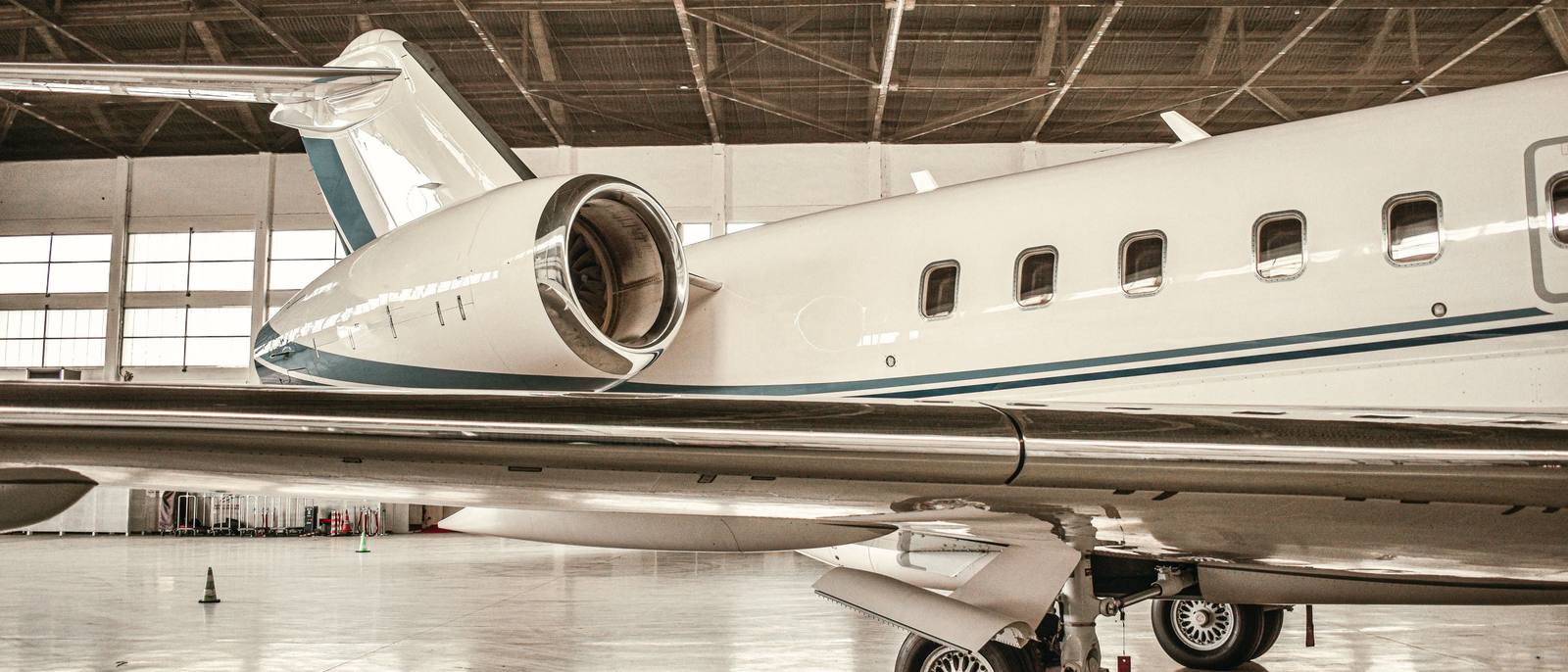
There is no single answer to how long aircraft detailing takes, and any provider who gives one before knowing the aircraft is guessing. The time depends on the aircraft’s size and configuration, how much buildup is present, which areas are in scope, where the work is done, and the weather. A light exterior refresh on a small, regularly cleaned aircraft is a short job; a full interior and exterior detail on a larger aircraft that has gone a long time between cleanings can take much longer and may span more than one session.
What owners actually need is an estimate they can plan around. This article explains what drives the time so you can ask good questions and set realistic expectations.
The main time drivers
Aircraft size and complexity
More surface means more time, but complexity adds to it. Retractable gear, multiple engines, large cabins with several material types, and lavatory or galley areas each add work. A high-wing aircraft and a low-wing aircraft of similar size can also take different amounts of time depending on what needs to be reached and how.
Condition at the start
Condition is often the biggest variable. Fresh dust on a hangared aircraft comes off quickly. Exhaust residue, bug buildup that has baked on through several flights, mineral spotting, or a cabin that has absorbed a season of use takes longer to address carefully, because aggressive shortcuts risk damaging paint, transparencies, or interior materials.
Scope
An exterior-only wash, an interior-only detail, and a combined job are different lengths of work. Additions such as belly and gear area attention, transparency care, or presentation work for a sale extend the time. Polishing, paint correction, and protective coatings are proposed offerings and, where available, are scheduled as their own work because of the time they require.
Preparation and closeout
Some of the clock goes to steps that happen before and after cleaning. FAA Advisory Circular 43-4B lists recommended procedures before a wash, including protecting closed doors, openings, vents, and pitot static openings from water and cleaning compounds, and then making sure those protections are removed afterward. It also calls for lubrication per the applicable maintenance manual, which is the owner’s or mechanic’s responsibility rather than a detailing task. Allow for that coordination when planning.
Facility and weather
Where the work happens affects the pace:
- Hangar: Shaded and protected from wind, which lets work proceed at a steady pace. Availability depends on the hangar owner or FBO.
- Ramp or tie-down: Direct sun can dry cleaning solutions on the surface before they are rinsed, and wind carries dust onto wet surfaces. Work may need to be timed for cooler parts of the day or split across sessions.
- Wash rack: Water and drainage are on hand, but slots may be scheduled by the facility.
Rain, high wind, temperature extremes, and early darkness in winter can each pause outdoor work. Winter Aircraft Detailing: Scheduling and Facility Considerations covers the cold-season side in more detail.
Rough relative comparisons
Without promising durations, these comparisons generally hold for aircraft in similar condition:
| Situation | Relative time |
|---|---|
| Small single, hangared, recurring care | Shorter |
| Same aircraft after long outdoor storage | Longer |
| Exterior only versus interior and exterior | Combined work takes longer, but saves a second setup |
| Turboprop or jet with a full cabin | Longer than a light single of similar condition |
| Indoor work versus outdoor work in sun or wind | Outdoor work is more likely to be split or rescheduled |
Planning aircraft downtime
For owners and flight departments, the useful question is often “how long will the aircraft be unavailable?” rather than “how many hours of labor?” The two are different. An aircraft might be out of service for a full day even if the labor is shorter, because of positioning, facility access, or drying time.
NBAA’s guidance on managing a flight department describes aircraft availability as a key metric and recommends estimating anticipated “down” days based on upcoming planned maintenance. Detailing fits naturally into that planning. If the aircraft is already scheduled to be down for an inspection or other work, a detail may be able to fit around that window, as long as it does not interfere with the maintenance. Coordinating Detailing With Your Aircraft’s Existing Schedule goes into how to do that without conflicts.
What makes an estimate more reliable
You can help an estimate land closer to reality by providing:
- The exact make and model
- Where the aircraft is based and whether it is hangared
- The areas you want done, in order of priority
- An honest description of condition, including any heavy residue or stains
- Your available window and any hard deadline
Preparing Your Aircraft for a Detailing Appointment covers what to do before the work begins so time is spent cleaning, not waiting.
Ask for an estimate built around your window
If you have a specific window, such as a few days between trips or a date before a sale, say so up front. When you request an aircraft detailing quote, include your preferred timing and the scope you have in mind, and we will discuss what can realistically be done in that window, subject to facility and weather.
Sources
- Advisory Circular 43-4B, Corrosion Control for Aircraft (Federal Aviation Administration)
- Managing Your Flight Department Like a Business (National Business Aviation Association (Business Aviation Insider))
This article is general information about cosmetic aircraft care. It is not maintenance guidance. Your aircraft's manufacturer documentation and your maintenance provider take precedence.