Spring Aircraft Cleaning and Pollen in Northwest Arkansas
How spring tree pollen settles on aircraft in Northwest Arkansas, why gentle, material-aware cleaning matters, and how to time a spring exterior wash.
NWA Aircraft Detailing Editorial · · 5 min read
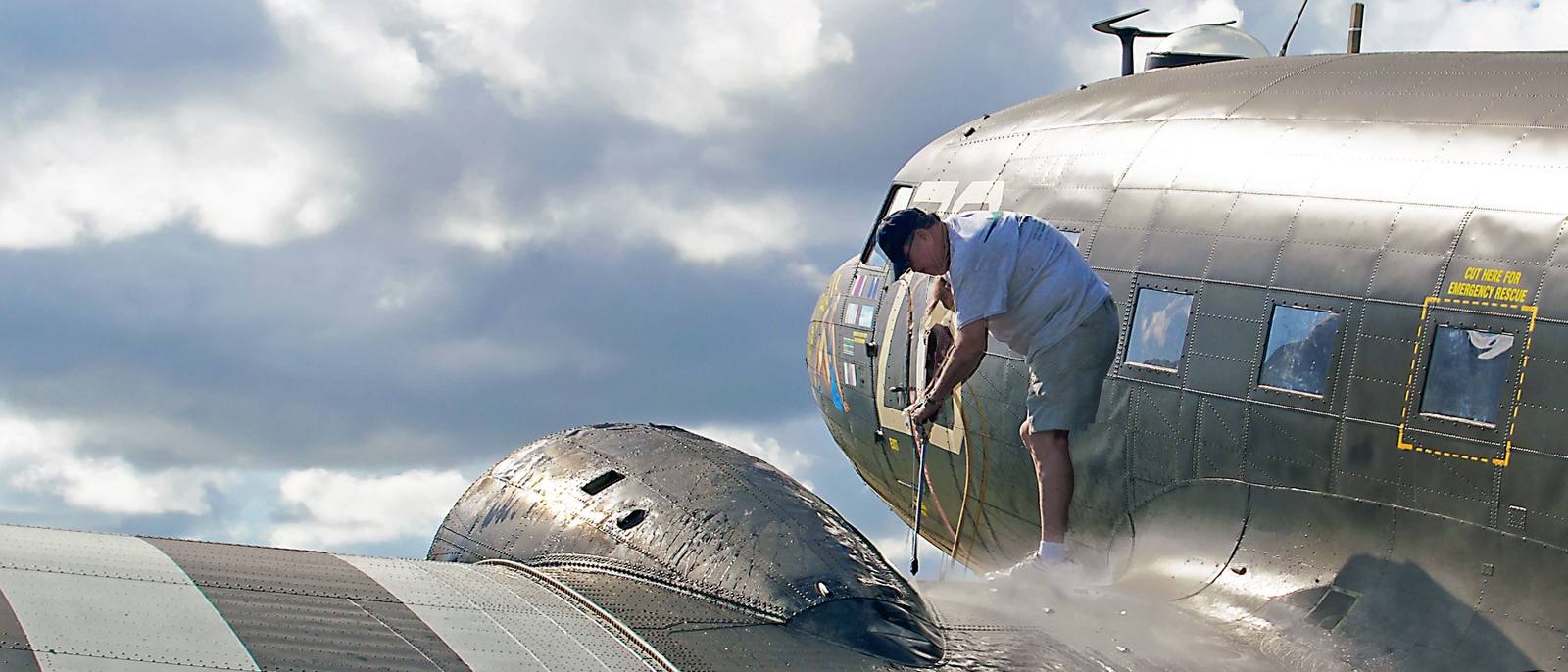
Spring pollen is a fine, dry dust that settles on every horizontal surface of an aircraft, from the upper wing and horizontal stabilizer to the glareshield area of the windshield. It is mostly a cosmetic nuisance, but it is also mildly abrasive, so how it comes off matters more than how quickly. The practical approach for Northwest Arkansas owners is to expect a pollen period each spring, avoid dry-wiping it, and plan exterior cleaning around when the heaviest dust has passed.
What spring pollen looks like on an aircraft
Tree pollen is the usual early-spring culprit. The American Academy of Allergy, Asthma & Immunology notes that seasonal symptoms are often caused by tree pollen in early spring, with grass pollen following in late spring and early summer, and that each plant’s pollination period does not vary much from year to year. In a region with as many trees as the Ozarks, that tends to show up on aircraft as:
- A yellow or greenish film on upper surfaces that is obvious on white paint and dulls darker colors
- Dust collected in panel seams, around fairings, and along the windshield base
- Streaks where dew or a light rain wetted the film and then dried
- Fine powder tracked into the cabin on shoes, bags, and headsets
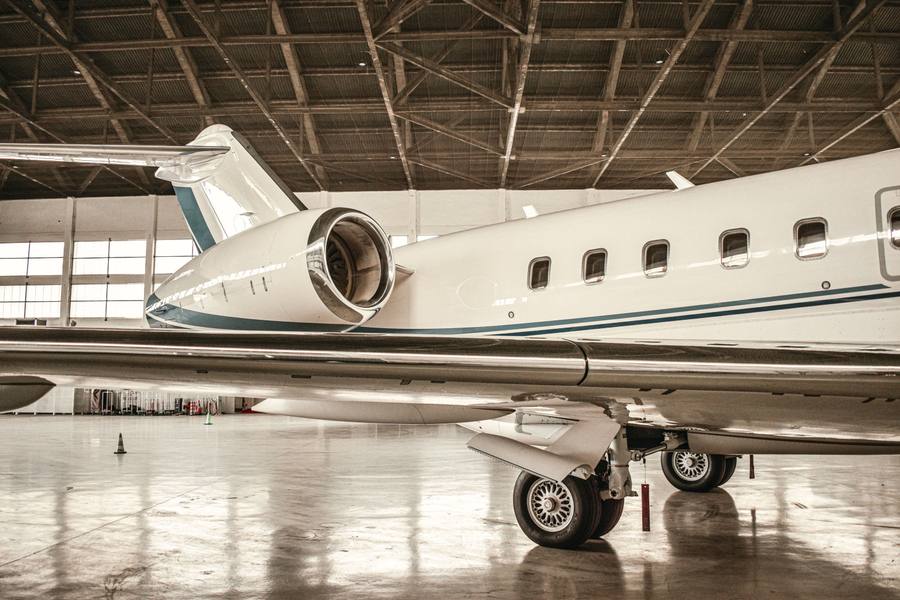
Aircraft parked outdoors or on an open tie-down collect the most. Hangared aircraft are not immune, especially when hangar doors stand open on warm days or the hangar sits near a tree line. For how storage changes exterior cleaning in general, see How Aircraft Storage Affects Exterior Cleaning Needs.
Why dry-wiping pollen is a bad idea
Pollen and the dust that rides with it are particles. Dragging a dry towel across them presses those particles into the surface. The FAA’s Aviation Maintenance Technician Handbook makes the same point for plastic windshields and windows: do not rub plastic with a dry cloth, because it can scratch and it builds an electrostatic charge that attracts more dust. The handbook describes flushing plastic surfaces with fresh water first to wash away dust particles before any washing.
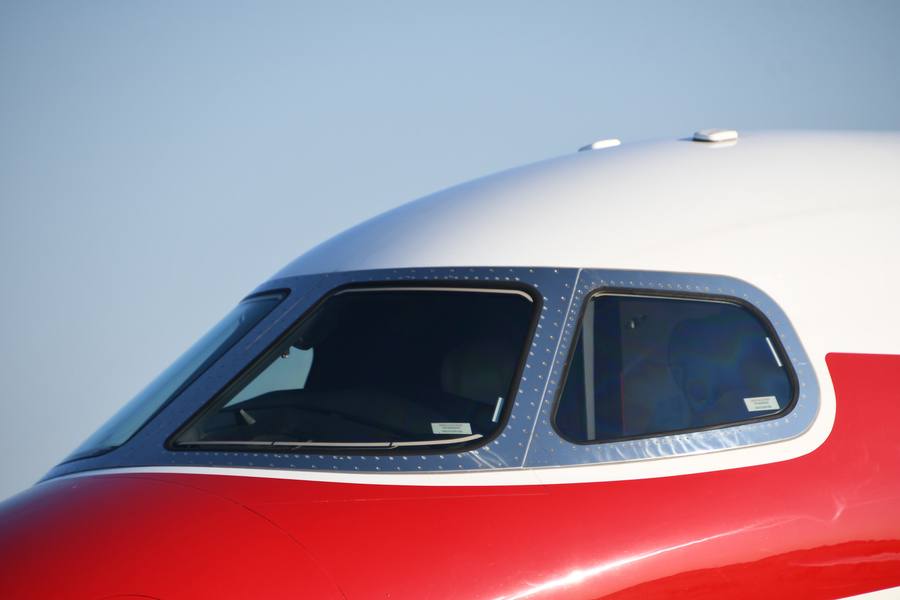
Painted surfaces are more forgiving than acrylic transparencies, but the logic is similar. A gentle rinse or a properly lubricated method lifts the dust; a quick dry wipe on a hot afternoon tends to leave fine marring that shows in low sun. Transparencies deserve their own attention in spring because pollen gathers at the windshield base and wipers do not exist to clear it. Our article on material-specific transparency care covers why.
Wet wash or dry wash during pollen season
Both methods have a place, and neither is universal:
| Situation | Usually better fit | Why |
|---|---|---|
| Heavy pollen film across the whole airframe | Wet wash, where the facility allows it | Water carries particles away instead of moving them around |
| Light dust between flights | Dry wash or waterless method, if approved for the finish | Practical when a wash rack is not available |
| Pollen streaked by dew or rain | Wet wash | Dried streaks need to be rehydrated and rinsed, not scrubbed |
| Transparencies | Method and products specified by the manufacturer | Acrylic and coated transparencies scratch and craze easily |
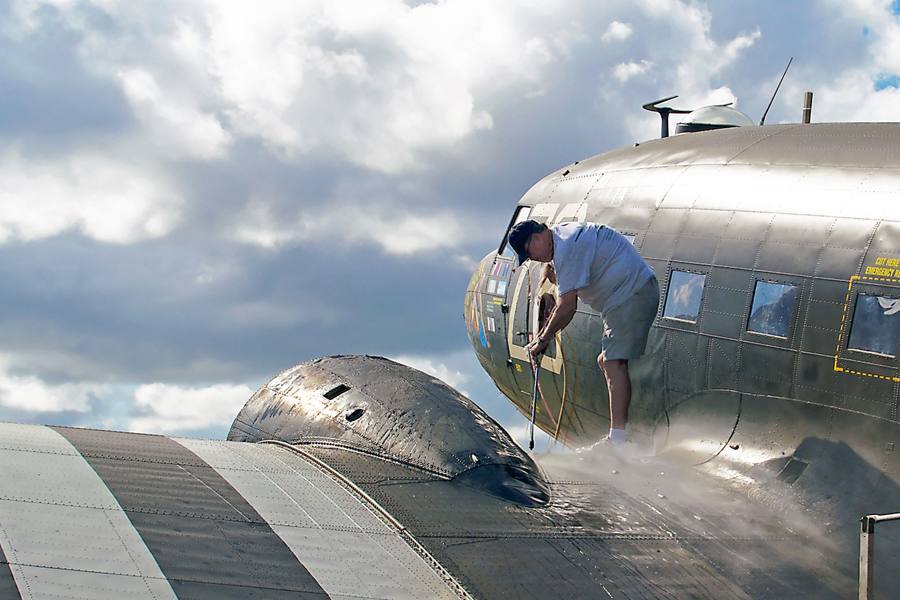
The FAA handbook describes dry wash as suited to airport film, dust, and small accumulations of dirt when liquids are not desirable or practical. A full spring coating is more than a small accumulation. Our guide to dry-wash methods explains the tradeoffs in more detail. Whether a wet wash is possible depends on the airport: wash-rack availability, water access, and runoff rules differ by field and must be confirmed for each job.
Timing a spring wash
Washing in the middle of peak pollen can feel like wasted effort, since a fresh film may return within days. Some owners handle spring in two stages:
- During the heavy period: keep transparencies and the most visible surfaces presentable with light, gentle cleaning, and keep the cabin closed up to limit what drifts in.
- After the heaviest tree pollen fades: schedule a thorough exterior wash that reaches seams, the belly, and the gear areas, often paired with an interior vacuum to remove what was tracked inside.
Spring weather adds its own variables. The FAA handbook advises washing in the shade whenever possible because cleaning compounds tend to streak if applied to hot surfaces or allowed to dry. Warm, breezy spring days can dry a surface quickly, which is one reason water spots appear after a rushed rinse. See Water Spots on Aircraft Finishes for that side of the problem.
Sensitive areas still come first
Pollen collects around the same places that need the most care during any wash: pitot-static ports, static ports, vents, drains, antennas, sensors, and control surface hinges. The FAA handbook says to cover openings where water or cleaners might enter and to pay particular attention to pitot-static fittings and ports. Cessna’s information manual for the 172S, as one model example, also says that if the airplane has been waxed or polished, the external static source should be checked for stoppage. Any detailer should work around these areas according to the aircraft manufacturer’s guidance and the operator’s instructions. Clearing a blocked port or inspecting it is a preflight or maintenance matter for the pilot or a certificated mechanic, not a cleaning task.
A short spring checklist for owners
- Note when your aircraft starts collecting a visible film and how fast it returns after cleaning
- Avoid dry-wiping painted surfaces and transparencies
- Confirm which cleaning products are approved for your paint system and transparencies (the aircraft manufacturer and the material manufacturers govern this)
- Ask your airport or hangar operator whether wet washing is permitted and where
- Plan one thorough exterior wash after the heaviest pollen passes
- Vacuum the cabin and wipe down entry areas where pollen gets tracked in
Spring also leads straight into summer insect season, which brings a different kind of residue; our article on summer insect residue covers that next stage.
Planning a spring wash
If you want a spring exterior cleaning, a quote request goes faster with a few details: the aircraft type, where it is based and whether it is hangared or tied down, how heavy the pollen film is (a photo helps), and whether you want the cabin included. Owners who prefer not to think about it each year sometimes fold spring cleaning into recurring aircraft care. You can request a quote here, and service at any specific airport is subject to airport and facility approval.
Sources
- Outdoor Allergens (American Academy of Allergy, Asthma & Immunology)
- Aviation Maintenance Technician Handbook: General (FAA-H-8083-30B), Chapter 8, Cleaning and Corrosion Control (Federal Aviation Administration)
- Cessna Model 172S NAV III Information Manual, Section 8: Handling, Service and Maintenance (Cessna Aircraft Company)
This article is general information about cosmetic aircraft care. It is not maintenance guidance. Your aircraft's manufacturer documentation and your maintenance provider take precedence.