Water Spots on Aircraft Finishes
Why water spots form on aircraft paint, metal, and transparencies, why sun and drying time matter, and what to ask about rinse water and drying before a wash.
NWA Aircraft Detailing Editorial · · 4 min read
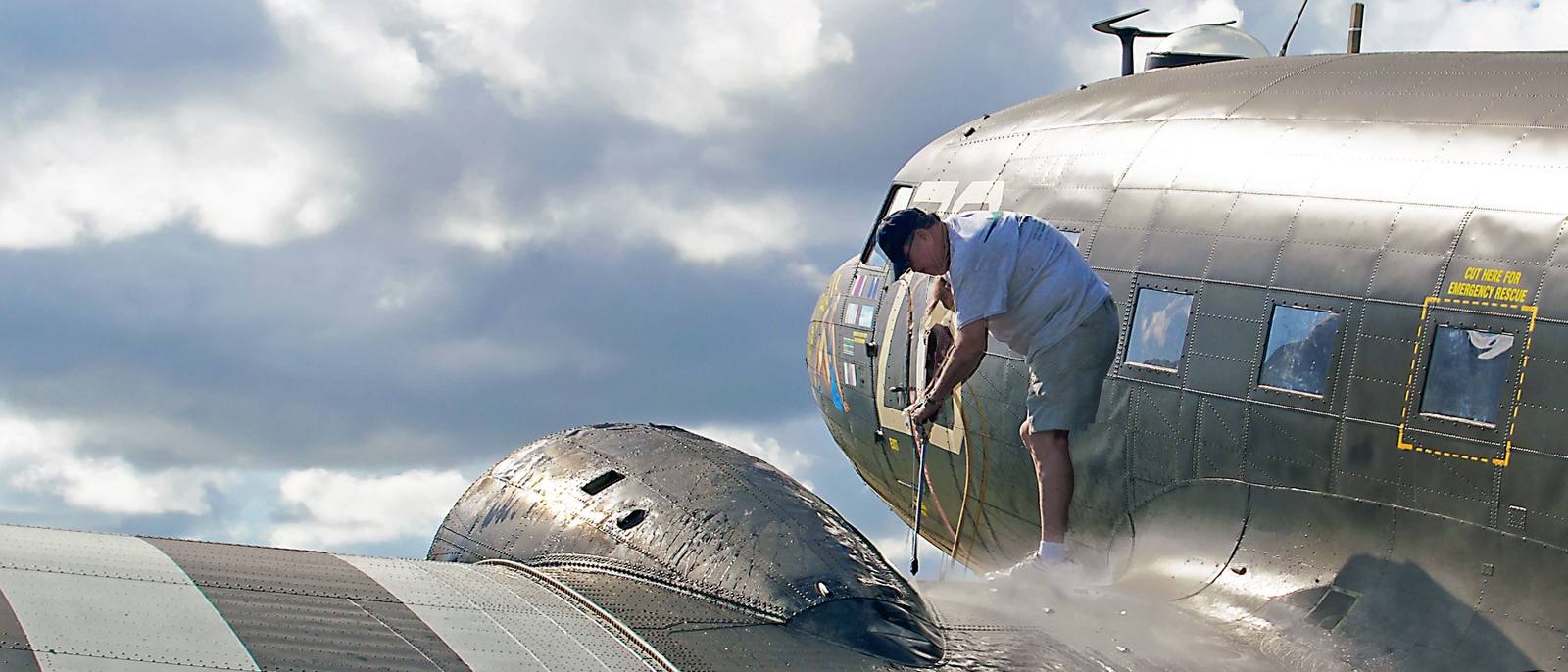
Water spots form when water dries on a surface and leaves behind whatever it was carrying: minerals, dirt, or traces of cleaning product. On aircraft they show up after rain, dew, a rinse that dried in the sun, or a wash that was not dried properly. Light spots usually come off with proper cleaning; spots left for a long time, baked in by heat, or formed from residue-heavy water can be stubborn. Most of the fix is prevention: when and how the aircraft is washed, rinsed, and dried.
What a water spot actually is
Water evaporates; what is dissolved or suspended in it does not. As a droplet dries, those materials concentrate at its edge and stay on the surface as a ring or spot. In general terms, there are three common sources:
- Mineral content. Water with more dissolved minerals (often called hard water) leaves more residue when it evaporates.
- Dirt and pollutants. Rain and dew carry dust and airborne particles, which settle out as the water dries.
- Cleaning product residue. A cleaner that dries on the surface before it is rinsed off leaves its own streaks and spots.
The FAA’s maintenance handbook lists hard water among the electrolytes that contribute to metal corrosion. That is a maintenance and corrosion topic rather than a statement about spots on paint, but it is one reason not to leave water residue sitting indefinitely, particularly on bare metal.
Why sun and heat matter
The FAA handbook advises that washing be performed in the shade whenever possible, because cleaning compounds tend to streak the surface if applied to hot metal or allowed to dry. It also advises rinsing promptly after cleaning so the compound does not dry on the surface.
Heat shortens the time water and cleaner stay wet. On a dark upper surface in direct sun, a rinse can dry in place before it is wiped. That is how many spots are created during a wash rather than removed by it.
Where spots show up on an aircraft
| Surface | What to know |
|---|---|
| Painted upper surfaces | Most exposed to sun and rain; spots show on dark and glossy colors |
| Bare or polished metal | Spots and stains are very visible; staining of exposed aluminum is a known concern in FAA guidance |
| Transparencies | Spots affect visibility; cleaning must follow transparency-specific rules |
| Flat or special finishes | FAA guidance says these must not be cleaned more than necessary or scrubbed |
| Areas below seams and drains | Water runs out of joints and openings after washing and dries in streaks |
On bare aluminum, the FAA handbook and AC 43-4B both note that care is needed to prevent staining and marring of exposed aluminum during cleaning. That is one reason metal surfaces call for their own approach, discussed in brightwork questions to ask before polishing.
Transparencies need their own handling
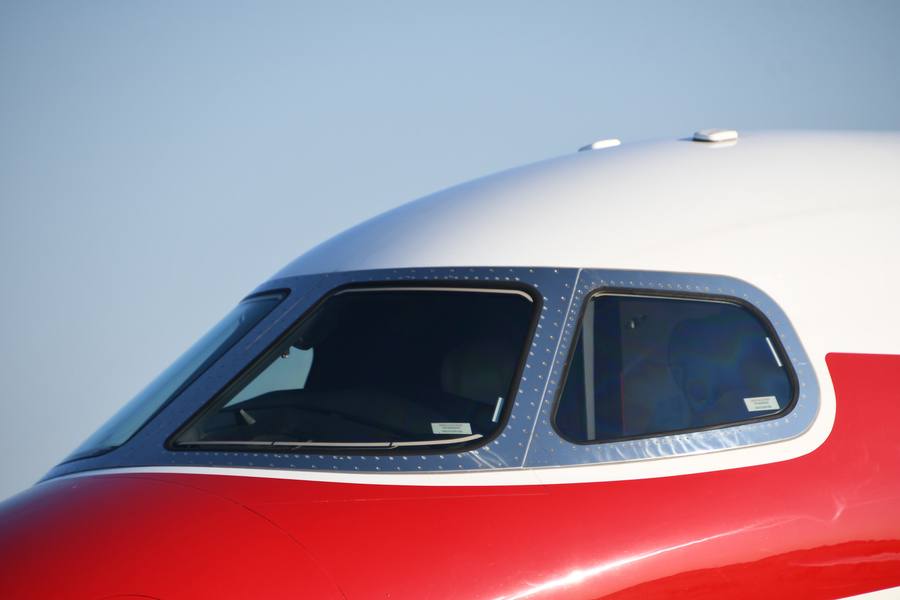
Spots on a windshield are tempting to rub off, and that is where damage happens. The FAA handbook describes rinsing plastic with fresh water and drying it with a chamois, synthetic wipes designed for plastic windshields, or absorbent cotton, and warns against rubbing plastic with a dry cloth. AC 43.13-1B lists window cleaning sprays among the products that can craze plastic. See why aircraft transparencies need material-specific care for the full picture.
Preventing spots during a wash
These are general principles. The specific methods and products for your aircraft come from the aircraft manufacturer’s handling and service guidance and the paint and transparency manufacturers.
- Work in shade or cooler parts of the day where the facility and schedule allow.
- Work in sections so cleaner and rinse water do not dry before the next step.
- Rinse thoroughly. AC 43-4B lists rinsing with fresh water to remove all cleaning compounds among its recommended procedures.
- Dry with appropriate materials for each surface rather than letting the aircraft air-dry in the sun.
- Expect drips. Water collects in seams, hinges, and around openings and runs out after drying begins. Plan to recheck those areas.
- Ask about the water. If the available water at a facility leaves heavy residue, that changes the plan. Water source is one of the facility questions to confirm per airport.
Waterless or low-water methods avoid rinse spotting altogether, with their own tradeoffs. The article on dry-wash methods covers when they fit.
When spots will not come off
If spots remain after proper cleaning, resist escalating to abrasive products on your own. A spot that has been on the surface long enough may have marked the finish, and removing it can mean removing some of the finish too. That moves into polishing or paint correction territory, which needs the paint system identified first. Persistent dullness that is not spotting may be a different condition altogether; see paint oxidation: cosmetic signs and next steps.
Requesting a quote
When you request a quote for exterior aircraft cleaning, mention where the aircraft is stored, whether water spots are already present and where, and whether the aircraft has bare metal or special finishes. If the facility restricts water use, note that too, since it affects which methods are practical.
Sources
- Aviation Maintenance Technician Handbook: General (FAA-H-8083-30B), Chapter 8, Cleaning and Corrosion Control (Federal Aviation Administration)
- Advisory Circular 43-4B, Corrosion Control for Aircraft (Federal Aviation Administration)
- Advisory Circular 43.13-1B, Acceptable Methods, Techniques, and Practices: Aircraft Inspection and Repair (Federal Aviation Administration)
This article is general information about cosmetic aircraft care. It is not maintenance guidance. Your aircraft's manufacturer documentation and your maintenance provider take precedence.