Scheduling Aircraft Detailing in Springdale
How to schedule a detail at Springdale Municipal Airport (ASG), a busy in-town field with flight schools, mixed hangar types, tie-downs and a hangar waitlist.
NWA Aircraft Detailing Editorial · · 4 min read
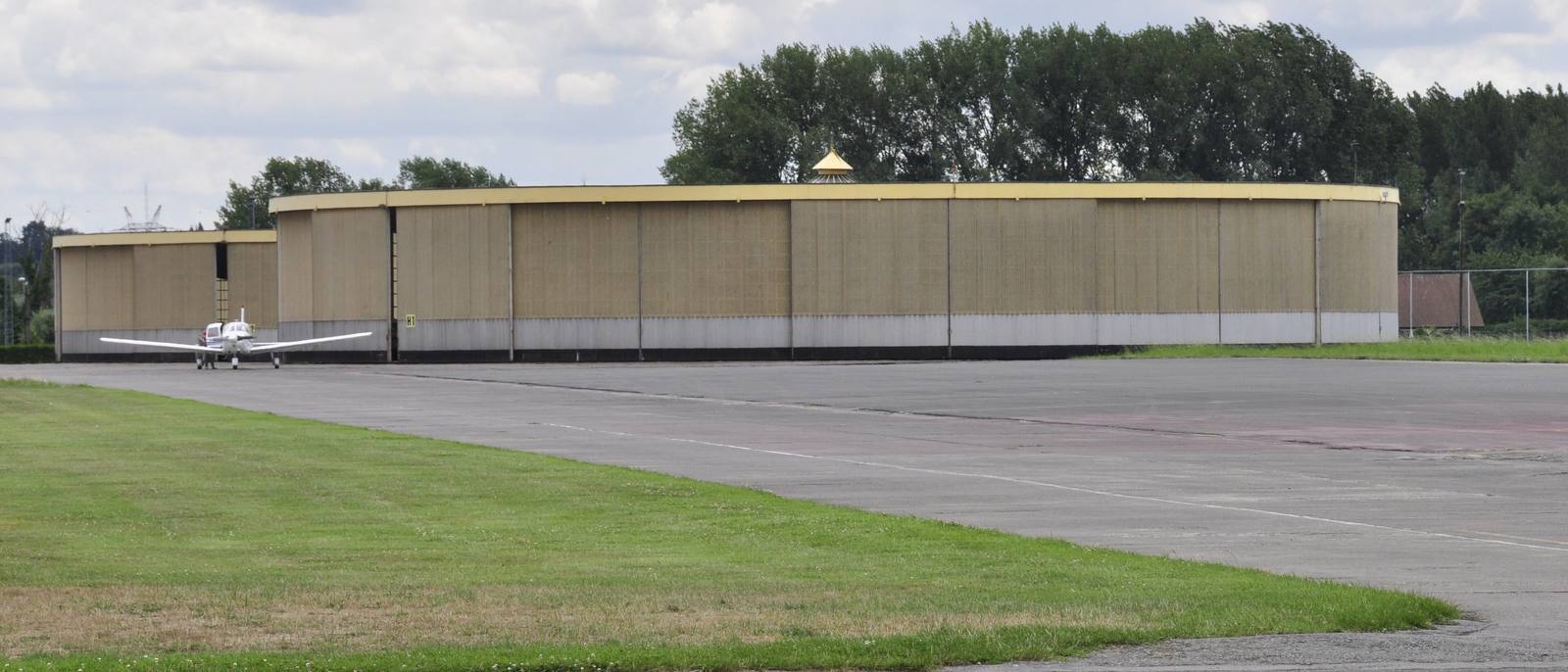
At Springdale Municipal Airport, the hardest part of a detail is often finding the right window. The field sits about a mile from downtown, hosts several flight schools and offers everything from tie-downs to corporate hangars, so ramp activity and space vary through the day. Owners who plan around that activity, and around their own aircraft’s flying, tend to get smoother appointments.
A quick picture of ASG
The City of Springdale describes ASG as a city-owned general aviation airport of about 221 acres, roughly one mile southeast of downtown. It has one runway, 18/36, measuring 5,302 feet, with a full-length parallel taxiway on the west side. Runway 18 has an ILS approach, and the city reports a part-time air traffic control tower operating daily from 6:00 a.m. to 9:00 p.m.
The terminal houses a restaurant, several corporate offices and the front desk of the FBO, Summit Aviation. The city lists aircraft storage options including T-hangars, box hangars, corporate hangars and apron tie-downs. It also notes that the field is home to several flight schools offering fixed-wing and helicopter training, and that demand for hangar space is high enough to require a waiting list.
Why scheduling matters more here
Three features of the field shape when a detail can realistically happen.
Training traffic. Flight schools keep aircraft moving, and training aircraft come and go from the ramp throughout the day. If your aircraft is parked near active training areas, the FBO may have opinions about where and when cleaning can occur.
Tight storage. A hangar waiting list usually means hangars are full. A T-hangar may leave little room to work around the wings, and neighbors may need access to their own doors. Asking the hangar owner or FBO early avoids surprises.
Mixed storage types. An aircraft on a tie-down and one in a corporate hangar have very different needs and very different access rules, even on the same field.
Choosing a window
There is no universal best time, but a few patterns help owners think it through.
| Situation | Scheduling considerations |
|---|---|
| Aircraft on an apron tie-down | Cooler parts of the day are often easier on finishes and on the people working. Coordinate placement with the FBO. |
| Aircraft in a T-hangar | Pick a time when neighboring hangar users are less likely to need the taxi lane, and confirm the door can stay open. |
| Aircraft in a corporate or box hangar | Work around the operator’s trip schedule and the hangar’s other occupants. |
| Training or rental aircraft | Short sessions between bookings, or a recurring slot on a lower-use day, can avoid taking aircraft out of service. |
Ask your own operator or flight school when the aircraft is least likely to be needed. Detailing does not include moving the aircraft. If it needs to be repositioned, that is handled by the owner, operator or FBO.
How long to allow
Duration depends on aircraft size, condition and scope. An exterior wash on a clean single is a different job from a full interior and exterior on a heavily used trainer. Rather than guess, include photos and a scope list with your request so time can be estimated realistically. How long aircraft detailing takes walks through the main variables.
Training aircraft and high-use cabins
Flight school aircraft see many different hands in a week. Yokes, seat belts, door handles, headset jacks and floor mats collect wear quickly. Many schools prefer a short, repeatable interior routine over an occasional deep clean, which keeps aircraft on the schedule. Interior cleaning considerations for flight school aircraft covers this in more detail, and a recurring care arrangement is the usual way to set it up.
Around cockpit displays and avionics, cleaning stays cosmetic and follows the avionics and aircraft manufacturers’ guidance. Anything that involves removing panels or components is a maintenance task for a certificated mechanic.
Tie-down aircraft
Aircraft parked outside collect pollen, dust, bird droppings and insect residue faster than hangared ones. An exterior cleaning scheduled after a stretch of outdoor parking, rather than on a fixed date, often makes more sense. See aircraft care after extended outdoor parking for what to look for.
Approvals come first
NWA Aircraft Detailing does not claim hangar space, an office or an FBO relationship at Springdale. You can request service at this airport, subject to airport and facility approval and availability. Before any date is set, the FBO or hangar owner needs to agree, and details like water access and runoff handling need to be confirmed. The aircraft’s maintenance manual and the paint, transparency and interior manufacturers set the limits on products and methods.
A short scheduling checklist
- Note the storage type: tie-down, T-hangar, box hangar or corporate hangar.
- Identify who approves outside work in that space.
- List the aircraft’s busy and quiet days.
- Flag any upcoming maintenance or inspection.
- Share a preferred window and a backup.
Requesting service at Springdale
Include your preferred and backup windows, the storage type and location on the field, the aircraft make and model, and photos of any areas of concern. Send them through the Springdale quote request. The Springdale location page has more on the field.
Sources
- Municipal Airport (City of Springdale)
- Springdale Municipal (ASG) (Arkansas Department of Commerce, Division of Aeronautics)
This article is general information about cosmetic aircraft care. It is not maintenance guidance. Your aircraft's manufacturer documentation and your maintenance provider take precedence.