Interior Cleaning Considerations for Flight School Aircraft
How flight schools can keep training aircraft interiors clean around dispatch: shared touch surfaces, avionics-safe methods, label directions, fleet routines.
NWA Aircraft Detailing Editorial · · 5 min read
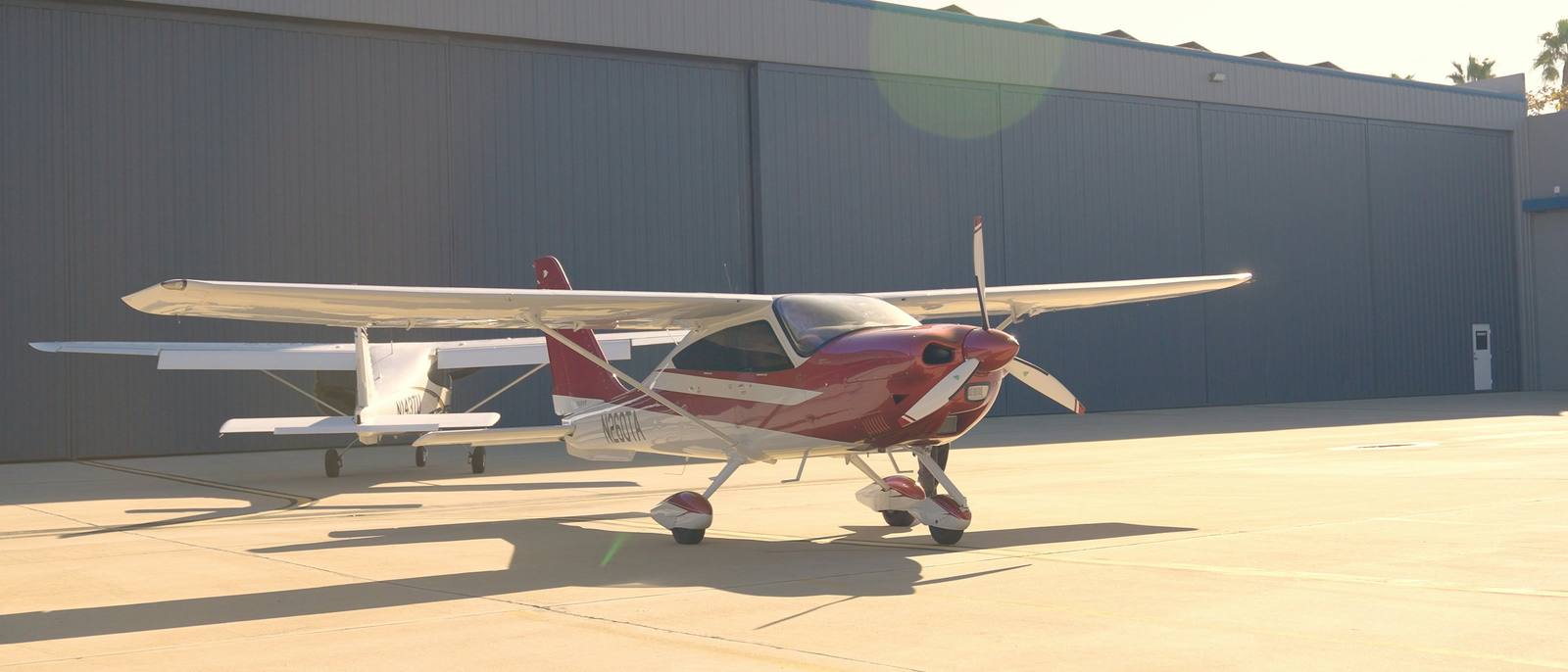
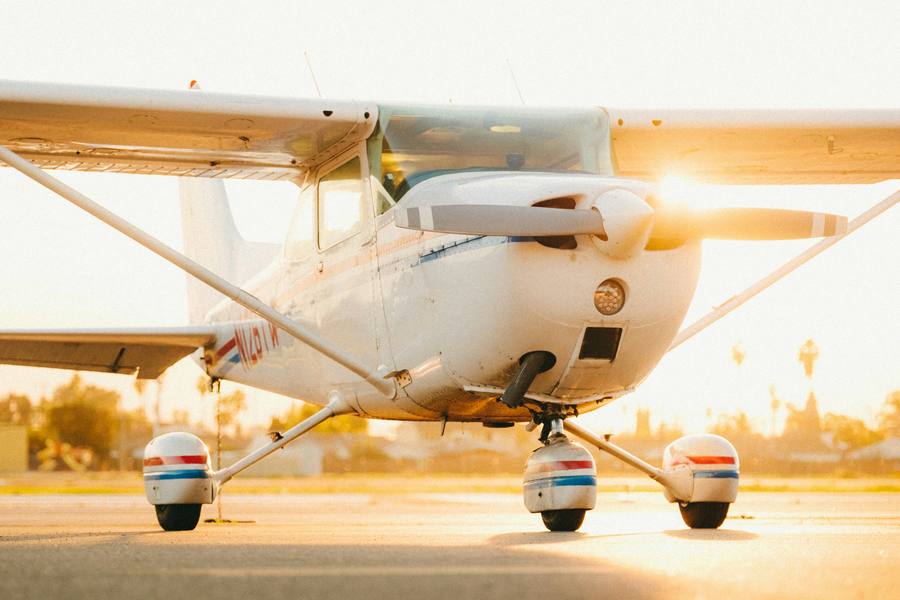
Training aircraft see more hands per week than almost any other general aviation interior. Many different students and instructors share the same yokes, throttles, seat belts, and headset jacks, often on back-to-back lessons. The workable approach is a short, consistent between-flight wipe of shared touch points, plus a scheduled deeper interior clean timed around dispatch and maintenance, all using products that are compatible with the aircraft’s materials and avionics.
Why training fleets are different
A privately owned aircraft might fly a few times a month with the same two people. A training aircraft may fly several lessons a day with a rotating cast. That changes the cleaning problem in a few ways:
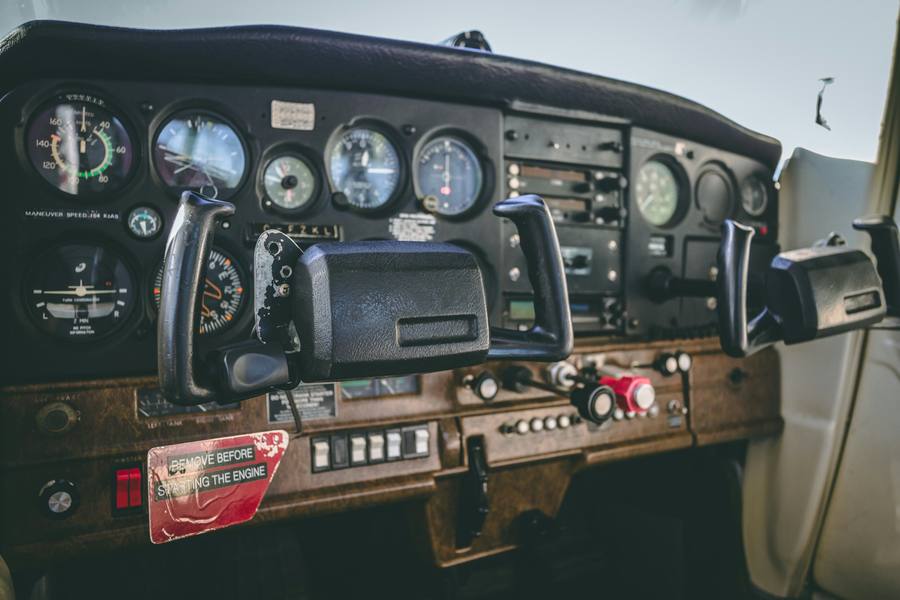
- Shared touch surfaces get handled constantly: yokes or sticks, throttle and mixture, trim wheel, flap switch, fuel selector, door latches, seat belt buckles, seat adjusters, and the most-used avionics knobs.
- Debris accumulates fast: checklists, water bottles, ramp grit, grass, mud, and snack wrappers.
- Wear concentrates: seat bolsters on the entry side, carpet at the rudder pedals, and armrests.
- Downtime is scarce. Every hour on the ground affects the schedule, so cleaning has to fit dispatch.
Between flights: short, consistent, compatible
The CDC’s general facility guidance recommends cleaning high-touch surfaces regularly and cleaning other surfaces when they are visibly dirty. It also notes that cleaning alone removes most types of harmful germs, and that disinfecting, when used, follows cleaning. A training fleet can adopt that logic without turning each turn into a project.
A simple between-flight routine might cover:
- Trash and loose items out of seat pockets and footwells.
- Wipe of yokes or sticks, throttle quadrant, door handles, and belt buckles with a school-approved product applied to a cloth.
- Quick check for spills, fuel odor, or anything that needs reporting.
Keep the list posted where students and line staff see it. Consistency across the fleet matters more than any single product.
If disinfecting is part of the routine
Some schools choose to disinfect shared surfaces. If so, the product’s label is the operating instruction. The EPA’s six steps for disinfectant use summarize what that involves:
- Confirm the product is EPA registered and appropriate for the intended use.
- Read the directions, including use sites and surface types.
- Pre-clean the surface if the directions say so or it is visibly dirty.
- Follow the contact time. The surface should stay wet for the whole time listed.
- Wear gloves as directed and wash hands afterward.
- Store products closed and out of reach.
Contact time is the step that conflicts most with quick turns, and it is also the reason a disinfectant wipe that dries in seconds may not do what its label describes. Schools should pick products whose directions fit their turn times and their aircraft materials. This article does not make health claims about any product or routine.
Avionics and panels
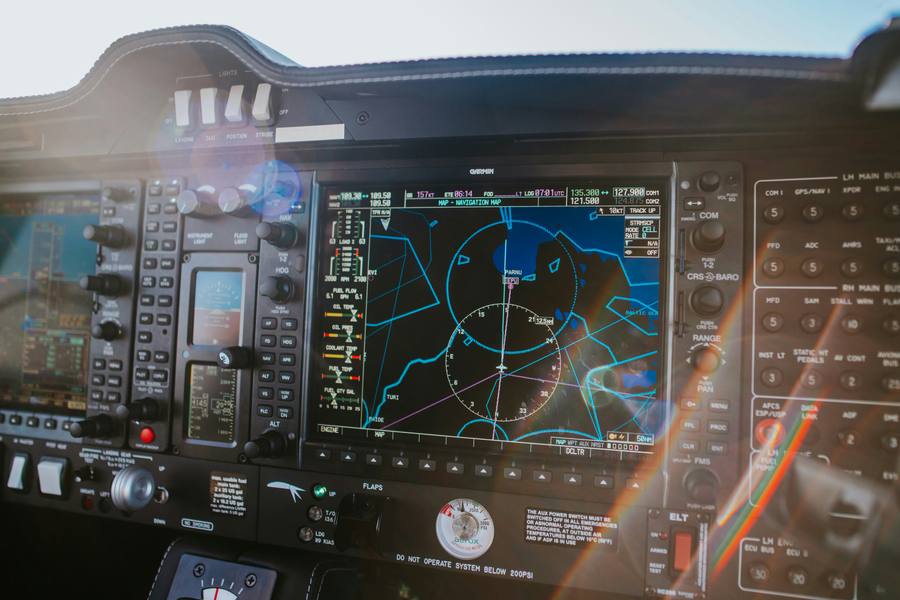
Training aircraft range from analog panels to full glass, and both get touched constantly. Avionics makers publish their own guidance. Garmin’s cleaning and disinfecting guidance, for example, says ammonia-based cleaners harm the anti-reflective coating on many of its display lenses, that it does not recommend bleach-based, ammonia-based, or other harsh chemicals on any surface, that knobs and bezels may be cleaned with a damp cloth and soap and water with residue removed, and that wetting units enough for moisture to get past exterior surfaces could damage them. It states a preference for 70 percent isopropyl alcohol without ammonia for disinfecting its products.
That guidance applies to Garmin equipment. Check the guidance for every unit in each panel, including older radios, intercoms, and standby instruments. More detail is in cleaning around cockpit displays and avionics.
General habits for training cockpits:
- Apply product to the cloth, never spray toward the panel.
- Use separate cloths for displays and for grimy surfaces like the floor or rudder pedals.
- Students should not power avionics just to clean them unless the school’s procedures say so.
Headsets and personal items
School-owned headsets passed between students are a common concern. The headset maker’s care instructions govern what can be cleaned and with what, and whether parts like ear seals or microphone covers can be replaced. Students who bring their own headset take one shared item out of the equation.
Scheduled deeper cleaning around dispatch
Between-flight wipes do not reach seat seams, carpet, side pockets, or headliner. A periodic interior detail does. For a fleet, practical scheduling usually means:
- Rotating aircraft so only one is out of service at a time.
- Pairing cleaning with maintenance downtime, coordinated with the maintenance provider so cleaning does not interfere with open inspections. Detailers do not remove seats or panels. If those are already out for maintenance, the maintenance provider decides whether cleaning can happen around that work.
- Using low-demand windows, such as early mornings, weather days, or slower weekdays.
- Allowing drying time for carpet or fabric work before the next lesson.
Our article on coordinating detailing with the aircraft’s existing schedule has more on timing, and recurring aircraft care describes how a regular cadence can be set up.
Durable interiors still need material-specific care
Training aircraft often have durable vinyl, fabric, or rubber floor coverings rather than luxury materials, but durability does not mean any product is fine. Incompatible products can still damage materials, and leftover residue can make knobs and controls sticky or slippery, a point Garmin makes about its own controls. The aircraft manufacturer’s care guidance and the material makers’ instructions still apply. See detailing considerations for piston aircraft for the broader piston picture.
Reporting, not fixing
Students and detailers notice things in training aircraft constantly: a loose trim panel, a cracked knob, a seat that does not lock positively, a fuel smell. Cleaning staff should report those to dispatch or maintenance, not adjust them. Anything touching seat rails, controls, or systems is a maintenance matter.
Requesting fleet interior care
For a flight school, a useful quote request includes the number and types of aircraft, panel types, interior materials, typical daily utilization, current between-flight routine and products, maintenance downtime patterns, and where the fleet is based. Send it through the quote request form, and we will discuss a schedule that works around dispatch.
Sources
- When and How to Clean and Disinfect a Facility (Centers for Disease Control and Prevention)
- 6 Steps for Safe and Effective Disinfectant Use (U.S. Environmental Protection Agency)
- Avionics Care: Cleaning and Disinfecting Guidance (Garmin)
This article is general information about cosmetic aircraft care. It is not maintenance guidance. Your aircraft's manufacturer documentation and your maintenance provider take precedence.