Questions to Ask Before Booking Cabin Detailing
Questions for owners and operators to ask any aircraft cabin detailing provider about materials, products, avionics, scope limits, facility access, and records.
NWA Aircraft Detailing Editorial · · 4 min read
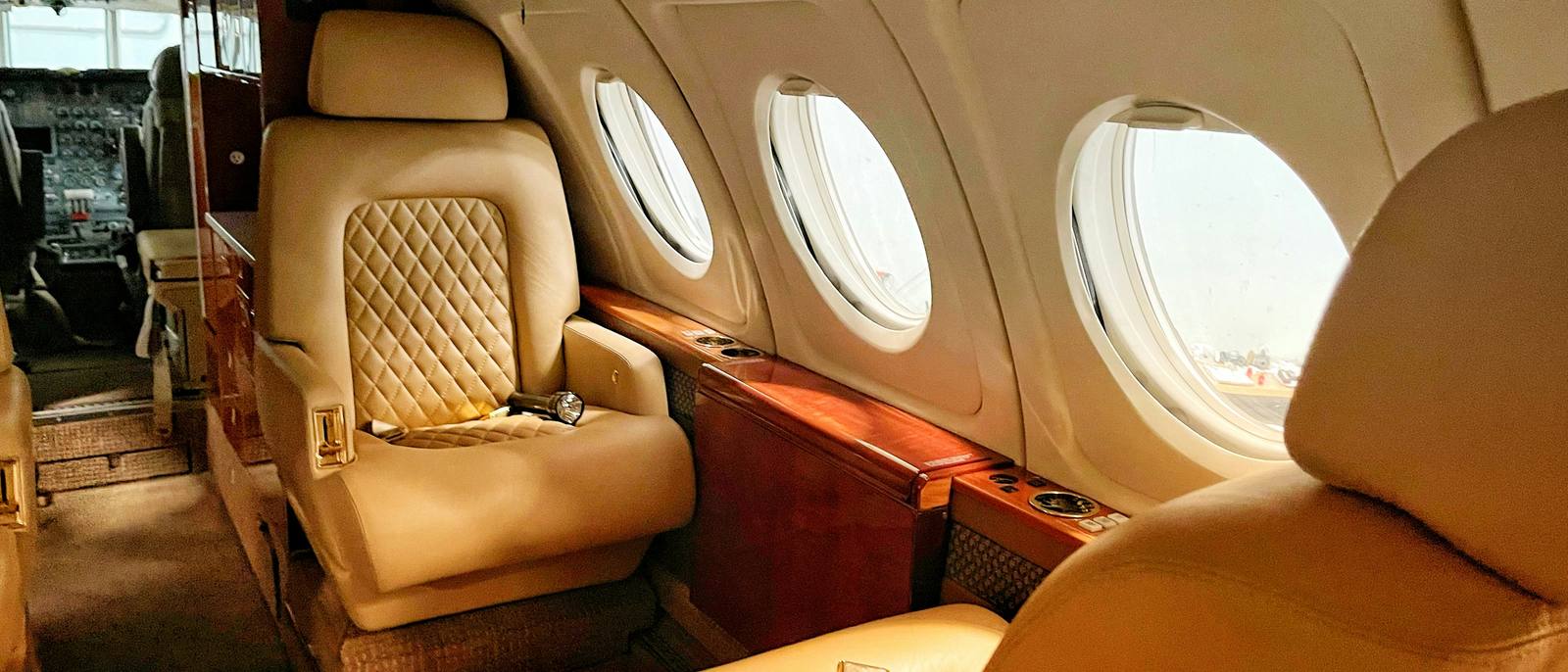
Before booking anyone to clean an aircraft cabin, ask questions that reveal how they will handle your specific materials, your avionics, and the line between cleaning and maintenance. Good answers are specific and a little cautious: they mention identifying materials, following the aircraft and material makers’ guidance, testing products, and stopping to report problems. Vague answers about a “full interior package” tell you less.
Questions about materials
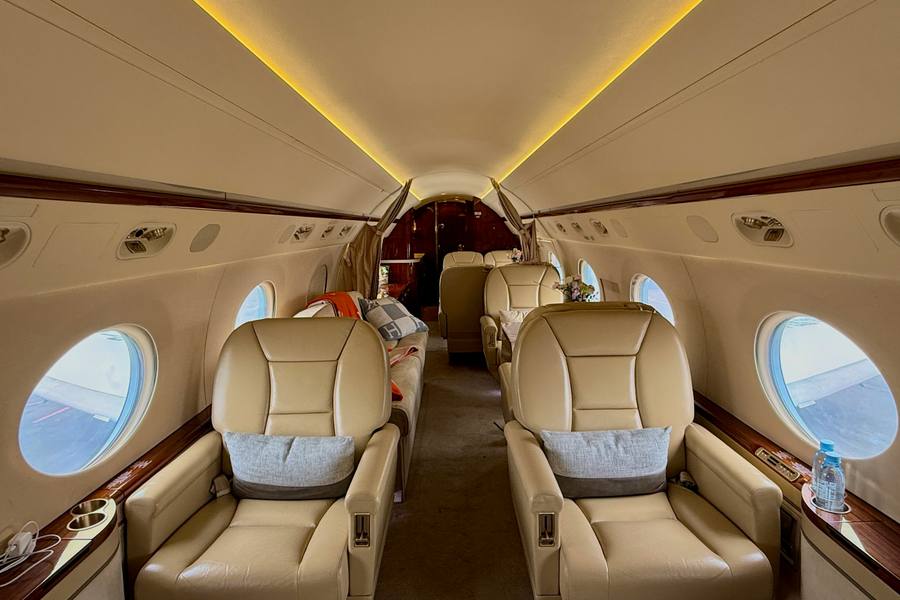
Cabin damage most often starts with a product that was wrong for the surface. Bombardier says it has traced recent interior damage on its aircraft to non-approved cleaning products, equipment, and techniques, and it publishes a grooming guide listing approved products and methods for each cabin material.
Ask:
- How will you identify the materials in my cabin? Listen for references to the aircraft’s documentation, the completion center or interior shop, and questions back to you.
- What will you use on the leather, and what will you avoid? Bombardier warns against alcohol-based products on its leather seats, and Duncan Aviation warns against silicone-based cleaners and conditioners. A provider should have a view on topcoated leather and be willing to follow your aircraft’s guidance.
- How do you handle carpet with wool or silk content? Bombardier says cyclonic and beater bar vacuums are not suitable for carpets with silk fibers, and Duncan says wool and silk need extra care.
- What about veneer, plated trim, and stone? Bombardier warns that ammonia-based or chlorinated cleaners should never be used on plated surfaces, and that acidic products or solvents can damage natural stone.
- Do you test products before using them across the cabin? A small test in a hidden area is a reasonable expectation.
- Will you use our approved product list if we have one? The answer should be yes.
Questions about the cockpit and avionics
- How do you clean display lenses? Avionics makers publish specific guidance. Garmin, for example, warns that ammonia-based cleaners harm anti-reflective coatings on many of its display lenses and that wetting units enough for moisture to get past exterior surfaces could damage them.
- Do you spray anything toward the panel? The safer answer is that product goes on the cloth.
- Will you apply power or operate avionics? A careful provider will say only if the owner or operator authorizes it and handles it, for example to enable a clean screen mode. Detailers should not run systems on their own.
- What will you leave alone? Panel gaps, connectors, cooling openings, and anything behind the panel are outside a cleaning scope.
Our article on cleaning around cockpit displays and avionics covers this in more depth.
Questions about scope limits
Interior detailing is cosmetic. Ask the provider to state where their work stops:
- Do you remove seats, panels, or carpet? The answer should be no. Removing interior components belongs to the owner, operator, or a certificated mechanic or repair station.
- What happens if you find damage, a leak, or an unusual smell? Look for “we stop, photograph, and tell you,” not “we take care of it.”
- Do you repair leather, re-dye, or refinish cabinetry? Those are interior repair tasks. Duncan Aviation describes spot dyeing leather and cabinet touch-ups as work for trained interior technicians.
- How do you handle odors? A good answer separates residue odors from those that need maintenance diagnosis, such as exhaust, fuel, or musty smells from water intrusion. See cabin odors and their limits.
Questions about the job itself
- Where will the work happen, and who confirms access? Airport and facility approval should be confirmed for each job, including hangar or ramp use, power, and water if needed.
- How long will the aircraft be unavailable, including drying time? Carpet and fabric work can extend this.
- Who needs to be present? Someone usually needs to open the aircraft and authorize any cockpit actions.
- What insurance do you carry, and can you provide proof? Ask any provider directly and confirm with your own insurer or the facility what is required.
- What exactly is in the quote? Ask for scope by surface and material, not a single package name. Our guide to evaluating an aircraft detailing proposal offers a framework.
Questions about records
A short record of what was done helps the next visit and supports honest presentation if the aircraft is sold later.
- Will you note the products used on each surface?
- Will you photograph the cabin before and after, including any existing wear or damage?
- Will you list anything you noticed that should go to maintenance?
For what a useful record contains, see what a detailing condition record should include.
Answers that should give you pause
| Answer | Why it is a concern |
|---|---|
| “One product does everything” | Manufacturers publish material-specific guidance for a reason |
| “We’ll make the smell go away” (for any odor) | Some odors signal leaks or exhaust that need a mechanic |
| “We can fix that tear while we’re there” | Repairs are interior shop work, not cleaning |
| “No need to check with the airport” | Access must be confirmed per facility and job |
| “We’ll just spray the panel down” | Moisture can damage avionics that are not waterproof |
Start the conversation
We welcome these questions about our own aircraft interior detailing. When you reach out, include the aircraft type, cabin materials if known, any grooming guide or approved product list, avionics installed, problem areas, and where the aircraft is based. Send it through the quote request form, and we will talk through the answers before anything is scheduled.
Sources
- Protecting your aircraft interior: The Cabin Interior Grooming Guide is your first reference (Bombardier Full Throttle)
- Four Ways to Improve Your Aircraft's Interior (Duncan Aviation)
- Avionics Care: Cleaning and Disinfecting Guidance (Garmin)
This article is general information about cosmetic aircraft care. It is not maintenance guidance. Your aircraft's manufacturer documentation and your maintenance provider take precedence.