Paint Protection and Presentation
Preparing an Aircraft for Listing Photography
Photo-specific prep for an aircraft listing: timing the detail to the shoot, streaks and water spots, transparencies, cabin staging, and honest images.
NWA Aircraft Detailing Editorial · · 4 min read
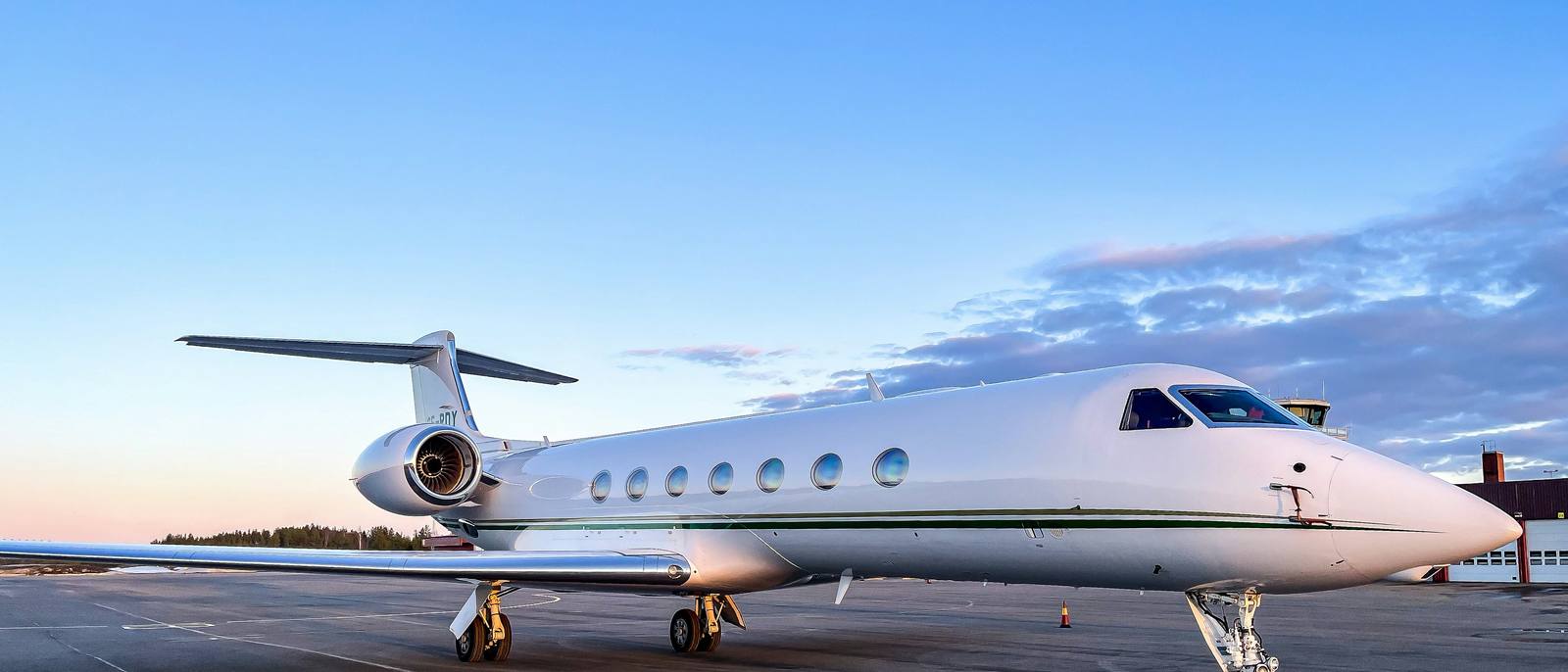
Listing photos show every streak, smudge, and stray item, often more clearly than an in-person look. Good photo preparation means timing the detail close to the shoot, finishing surfaces so they photograph cleanly in the light you will have, staging the cabin, and agreeing on positioning with whoever moves the aircraft. The photos should show the aircraft as it really is, just clean and well presented.
This article is about the shoot itself. For scope and timing across the whole sale, see aircraft detailing before listing for sale.
Time the detail to the shoot
The closer the detail is to the photos, the less time for dust, pollen, fingerprints, and bugs to settle. A practical pattern:
- Full exterior and interior detail one or two days before the shoot, in a hangar if possible
- A short touch-up pass on the day: dust, fingerprints, glass, and cabin tidy
- A backup date in case weather or the aircraft’s schedule changes
Avoid flying between the detail and the shoot if you can. A short flight can add leading edge bugs and belly residue right where the camera will be.
Exterior: what cameras exaggerate
Streaks and water spots
Low-angle light and close-up lenses pick up streaking and mineral spots that are easy to miss in person. The FAA General handbook notes that cleaning compounds tend to streak if applied to hot surfaces or allowed to dry, and recommends washing in the shade whenever possible. Thorough rinsing and careful drying matter more than usual before a shoot. Our article on water spots explains why some spots do not wipe away.
Reflections and panel consistency
Glossy paint reflects everything. Uneven patches, such as an area that was cleaned more aggressively than its neighbors, show up as a change in reflection. Consistent cleaning across each panel photographs better than spot treatment.
Transparencies
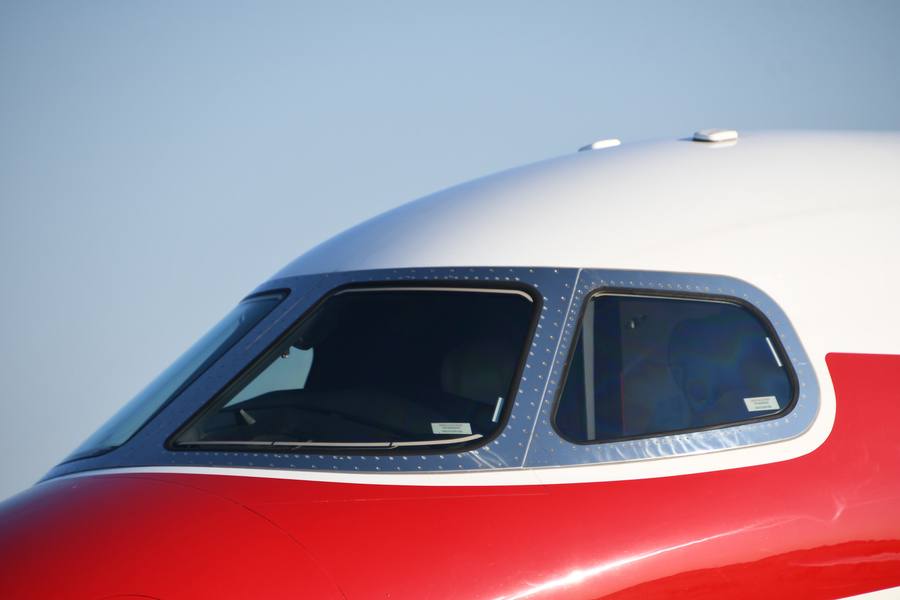
Windshields and windows are in nearly every exterior shot and many interior shots. The FAA General handbook says not to rub plastic with a dry cloth, which can scratch it and build up static that attracts dust, and lists solvents that can soften plastic and cause crazing. Clean transparencies with products appropriate to the material and do it last, close to the shoot. See why transparencies need material-specific care.
Wheels, tires, and belly
Photographers often shoot low. Belly grime, exhaust staining, and dirty wheel areas show up in those angles. Clean at a cosmetic level only. Whether any tire or rubber product is appropriate is a question for the aircraft’s documentation, and the FAA handbook describes removing oil and grease from tires with a mild soap solution.
Cabin staging
Interior photos sell many aircraft. Prepare the cabin the way a buyer would see it on a good day:
- Remove personal items, headsets, charts, loose cables, and trash.
- Vacuum carpet, and decide whether visible vacuum lines are wanted or should be smoothed.
- Straighten seat belts and harnesses neatly.
- Clean cupholders, side ledges, and seat tracks, which show in close-ups.
- Wipe fingerprints from trim, tables, and panels.
- Clean cockpit surfaces at a cosmetic level with care around displays and controls.
Whether to power displays or lighting for photos is the owner’s or crew’s decision. Operating aircraft systems is not part of detailing.
Positioning and access
Exterior photos usually need the aircraft outside, on a clean background, with good light. Moving the aircraft is handled by the owner, the operator, or the FBO, not by a detailer.
Ramp access is also not automatic. FAA Advisory Circular 150/5190-7 describes how airport sponsors may license or permit independent operators who perform services on the airport, such as aircraft washing. Detailers and photographers alike should confirm with the airport or FBO where they can work and what approvals are needed. Sort this out before the day of the shoot.
Shot list and detail coordination
Share the photographer’s shot list with whoever does the detail. It helps prioritize:
| Common shot | Prep focus |
|---|---|
| Front three-quarter exterior | Nose, windshield, leading edges, propeller or inlet area |
| Side profile | Fuselage sides, registration area, stripes, windows |
| Rear three-quarter | Tail, empennage, exhaust staining |
| Cabin from the door | Carpet, seats, side panels, lighting |
| Seat close-ups | Leather or fabric, belts, stitching |
| Cockpit | Glare shield, panel surfaces, seats, controls at a cosmetic level |
| Detail shots | Wheels, interior trim, any recent upgrades |
Keep the photos honest
Clean presentation is fair. Hiding defects is not. Edited-out scratches, retouched wear, or angles chosen to avoid known damage can create problems later in the sale, especially once a buyer’s inspection finds what the photos skipped. A better approach is to document existing cosmetic defects alongside the detail and let the broker decide how to present them.
Photo day checklist
- Detail completed within a day or two of the shoot
- Ramp and positioning approvals confirmed
- Owner or FBO arranged to move the aircraft
- Touch-up kit ready for glass, dust, and fingerprints
- Personal items removed from the cabin
- Shot list shared with the detail provider
- Backup date set for weather
Planning a pre-photo detail
When requesting a quote for pre-sale detailing ahead of photos, include the shoot date, the location, whether the aircraft will be hangared before the shoot, and any shot list your broker or photographer has provided. Send those details through the quote request form.
Sources
- Aviation Maintenance Technician Handbook, General (FAA-H-8083-30A), Chapter 8: Cleaning and Corrosion Control (Federal Aviation Administration)
- Advisory Circular 150/5190-7, Minimum Standards for Commercial Aeronautical Activities (Federal Aviation Administration)
This article is general information about cosmetic aircraft care. It is not maintenance guidance. Your aircraft's manufacturer documentation and your maintenance provider take precedence.