Paint Protection and Presentation
Aircraft Detailing Before Listing for Sale
How to scope and time pre-sale detailing: what to decide before listing, how it fits around a buyer's pre-buy inspection, and why disclosure beats concealment.
NWA Aircraft Detailing Editorial · · 4 min read
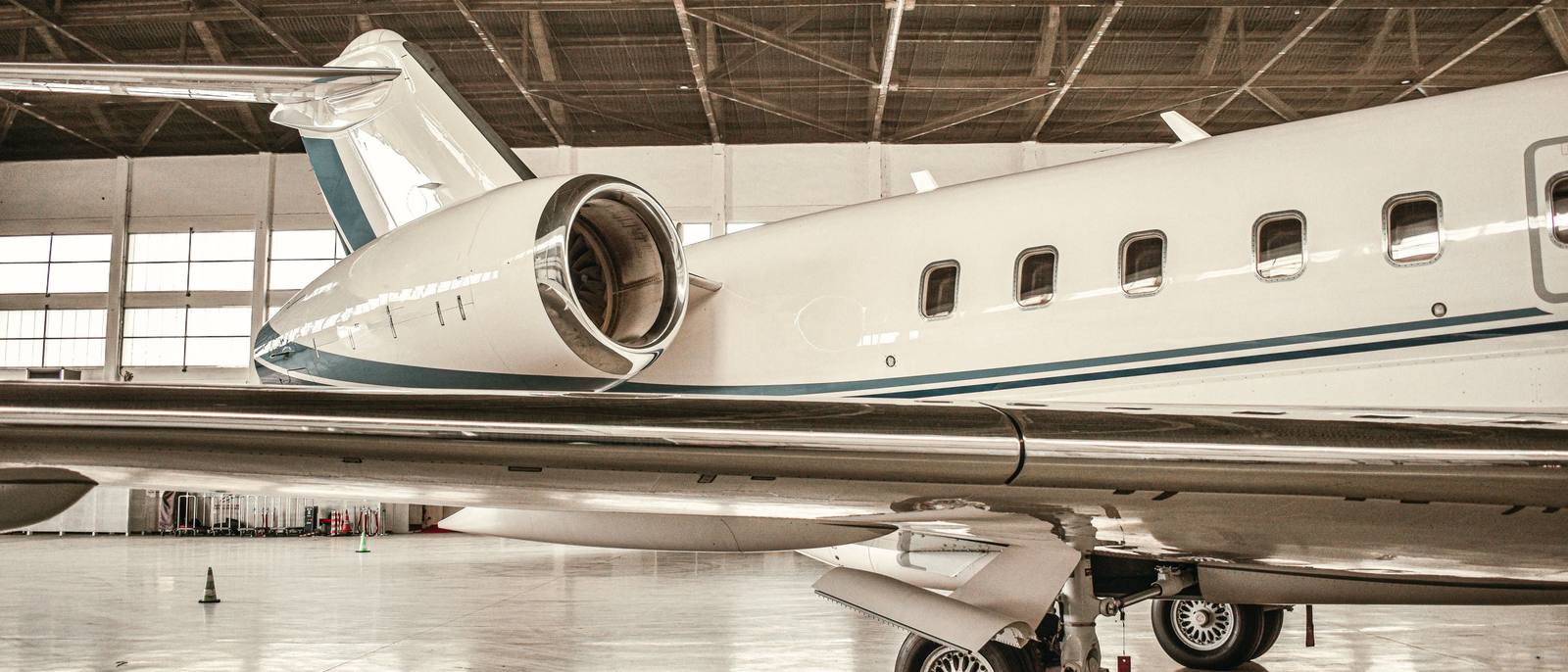
Pre-sale detailing works best when it is planned as part of the listing timeline, not squeezed in the day before photos. Decide the scope early with your broker, finish any paint decisions with enough lead time, and keep the aircraft presentable through showings and the buyer’s inspection. Detailing presents the aircraft as it is. It should never hide defects from a buyer or the buyer’s inspector.
This article covers scope and timing across the sale. Preparation specifically for the photo shoot is covered in preparing an aircraft for listing photography.
Detailing and the pre-buy inspection are different things
A buyer will usually arrange a pre-buy inspection. That is a maintenance matter, performed by a mechanic, typically one the buyer chooses. AOPA’s guidance on pre-buys recommends that buyers avoid the seller’s existing mechanic or shop, and notes that a pre-buy can reveal issues such as corrosion that are not readily visible. AOPA also suggests planning one or two days for the inspection, with extra time built in.
Detailing does not substitute for any part of that process, and a clean aircraft says nothing about its mechanical condition. What detailing can do is make the aircraft easy to look at honestly: clean surfaces, an orderly cabin, and nothing cosmetic standing between the inspector and what they need to see.
Decide the scope before listing
A useful pre-sale scope conversation covers:
- Exterior: a thorough wash, attention to belly grime, exhaust staining, and bug residue, and cleaning of wheel areas at a cosmetic level.
- Interior: seats, carpet, side panels, headliner, and the cockpit at a cosmetic level, with care around displays and controls.
- Paint: whether the finish needs only cleaning, or whether touch-up, correction, or other paint work is worth considering. Touch-up of scratches, abrasions, stains, and faded trim is paint shop work, as the FAA Airframe handbook describes it. Paint correction is a proposed offering pending owner confirmation and, if considered, needs time for proper evaluation.
- Exclusions: areas not to be touched, such as markings that are already lifting or surfaces with unknown coatings.
- What stays with the aircraft: documentation of the detail itself, and any existing coating paperwork.
Decide what the broker expects buyers to see. A broker who knows the market for your type can tell you whether buyers are likely to care more about cabin presentation, paint, or both.
Separate maintenance items early
If the walk-around before detailing turns up anything that looks like damage, corrosion, fluid leaks, or loose hardware, that goes to a certificated mechanic, not into the detail scope. Sorting this early avoids a situation where cleaning happens first and maintenance disturbs the result.
A pre-sale timeline
| Stage | Detailing focus |
|---|---|
| Before listing (several weeks out) | Condition walk-around, scope decision, paint decisions, maintenance items routed to a mechanic |
| Before photography | Full exterior and interior detail timed close to the shoot |
| While listed | Light upkeep so the aircraft stays presentable for showings |
| Before a showing | Quick refresh: dust, fingerprints, cabin tidy |
| Before the pre-buy | Coordinate with the broker and buyer about timing and access |
| Before delivery | Final cleaning if the purchase agreement or seller wants it |
How long each stage takes depends on the aircraft’s size, condition, and the facility. Our article on how long detailing takes covers the factors.
Coordinating around the inspection
FAA Advisory Circular 43-4B, which covers corrosion control, says an aircraft should be washed prior to any inspection for corrosion. That is guidance for maintenance programs, and whether the buyer’s inspector wants the aircraft washed beforehand, or would rather see it as it sits, is their call. Ask the broker to confirm with the buyer and the inspection shop.
Two other points:
- Avoid applying new waxes, dressings, or coatings right before an inspection unless the buyer’s side agrees. Fresh product can make it harder to see the true condition of a surface.
- If panels are opened or the aircraft is moved during the inspection, that is the inspection shop’s work. Plan any final cleaning for after it is done.
Disclosure over concealment
The goal of pre-sale detailing is a clean, accurate presentation. Existing chips, scratches, interior wear, and repaired areas should be noted, not disguised. A written record of the aircraft’s cosmetic condition, made before the detail and kept with the sale documents, protects the seller as much as the buyer. See what a useful condition record includes.
Interior items that are not detailing
Removing personal belongings, organizing logbooks and records, and gathering loose equipment are the owner’s or broker’s job. Detailing works best once those are done, because it lets the cabin be cleaned completely rather than around piles of items.
Pre-sale checklist
- Broker consulted on presentation priorities
- Condition walk-around done and photographed
- Maintenance concerns routed to a mechanic
- Paint decisions made with lead time
- Exclusions agreed in writing
- Detail scheduled close to the photo shoot
- Upkeep plan for the listing period
- Inspection timing coordinated with the buyer’s side
- Condition record kept with sale documents
Requesting a pre-sale quote
For a pre-sale detailing quote, include the aircraft type, where it is based, the target listing date, any photo shoot date, and what the broker has flagged. Note any paint or interior areas you are unsure about. You can submit those details through the quote request form.
Sources
- Everything You Need to Know About Pre-Buy Inspections (AOPA Aviation Finance)
- Advisory Circular 43-4B, Corrosion Control for Aircraft (Federal Aviation Administration)
- Aviation Maintenance Technician Handbook, Airframe (FAA-H-8083-31B), Chapter 8: Aircraft Painting and Finishing (Federal Aviation Administration)
This article is general information about cosmetic aircraft care. It is not maintenance guidance. Your aircraft's manufacturer documentation and your maintenance provider take precedence.