Detailing Considerations for Piston Aircraft
What matters when detailing a piston single or twin: exhaust and oil residue, leading edges, acrylic windows, cabin materials, sensitive areas, and roles.
NWA Aircraft Detailing Editorial · · 4 min read
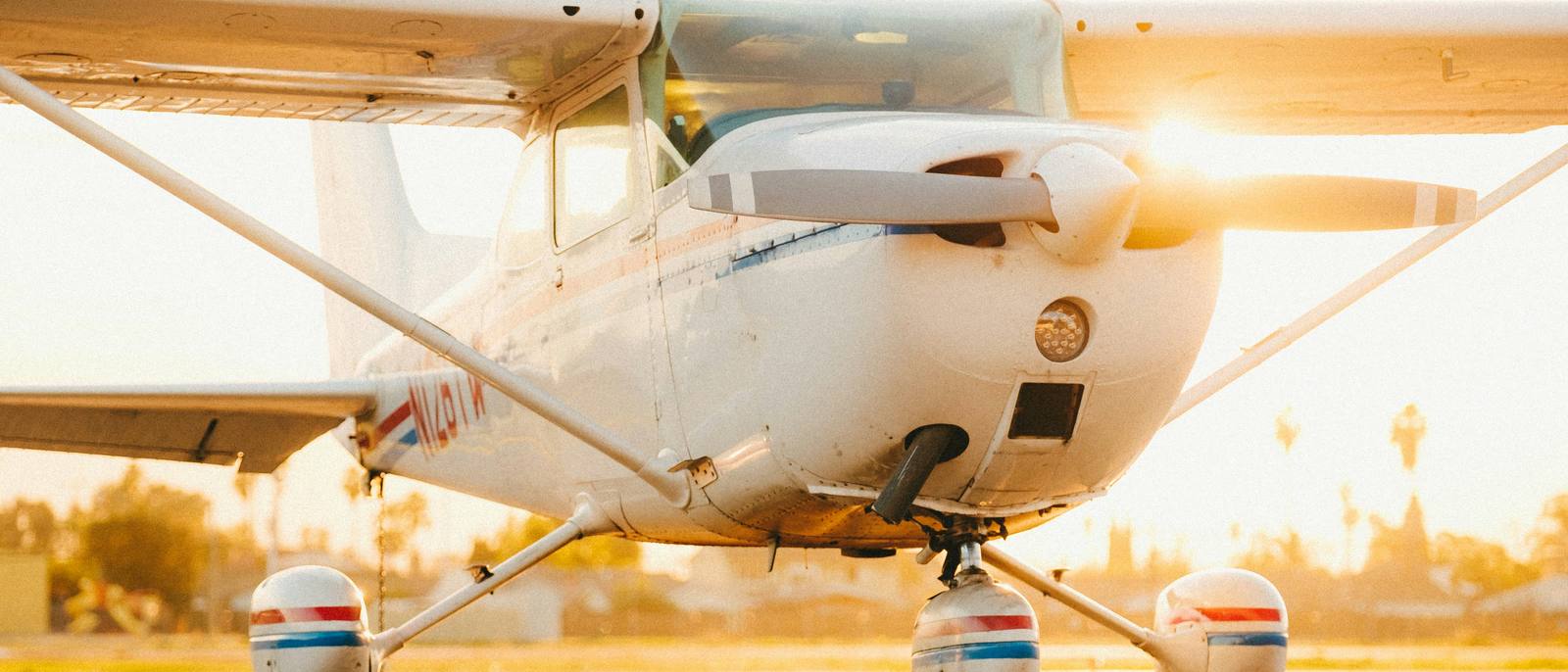
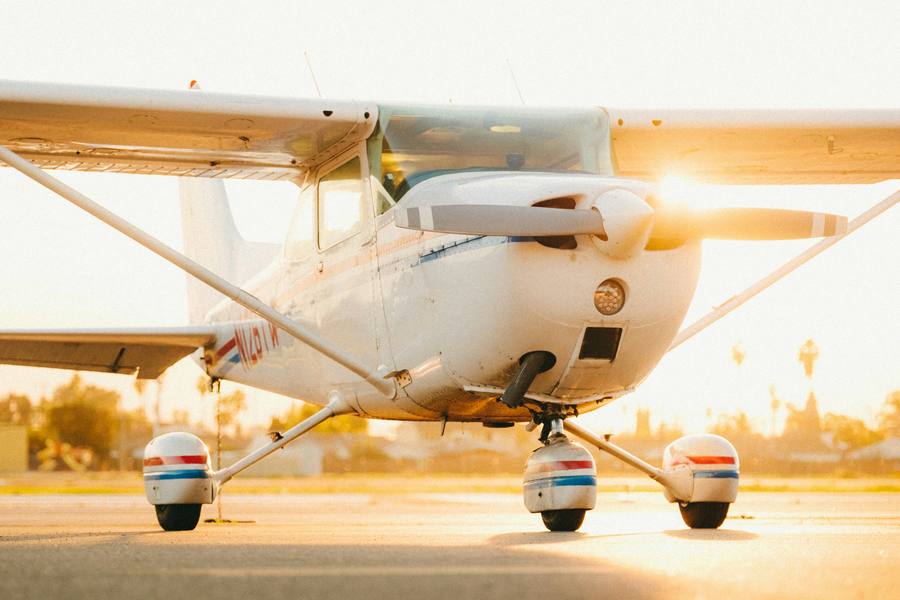
Piston aircraft share a few detailing traits regardless of make: exhaust and oil residue on the belly and lower cowling, bug buildup on leading edges and the nose, acrylic windows that scratch easily, and compact cabins where every surface gets touched. Many are also parked outdoors or in T-hangars, so pollen, dust, and droppings are common. Good detailing addresses those surfaces with methods compatible with the aircraft’s materials, works carefully around sensitive areas, and leaves anything beyond cosmetic cleaning to the owner and mechanic.
This article covers the general considerations. Your aircraft’s POH or AFM, maintenance manual, and the paint and interior manufacturers’ guidance govern the specifics.
Exterior surfaces
Belly and aft fuselage
On most piston singles, exhaust exits under or beside the cowling, and the airflow carries soot and oil mist along the belly. FAA Advisory Circular 43-4B notes that both jet and reciprocating exhaust deposits are “very corrosive,” and that gaps, seams, hinges, and fairings can trap residue where normal cleaning methods cannot reach. Removing surface residue is cosmetic work. Inspecting for corrosion, or removing fairings and access plates to reach trapped deposits, is maintenance and belongs to your mechanic. More detail is in Understanding Aircraft Belly Grime.
Oil on the belly can also be a sign worth reporting. A detailer who notices more oil than usual, or a fresh streak in a new place, should tell the owner rather than simply clean it away.
Leading edges, nose, and windshield frame
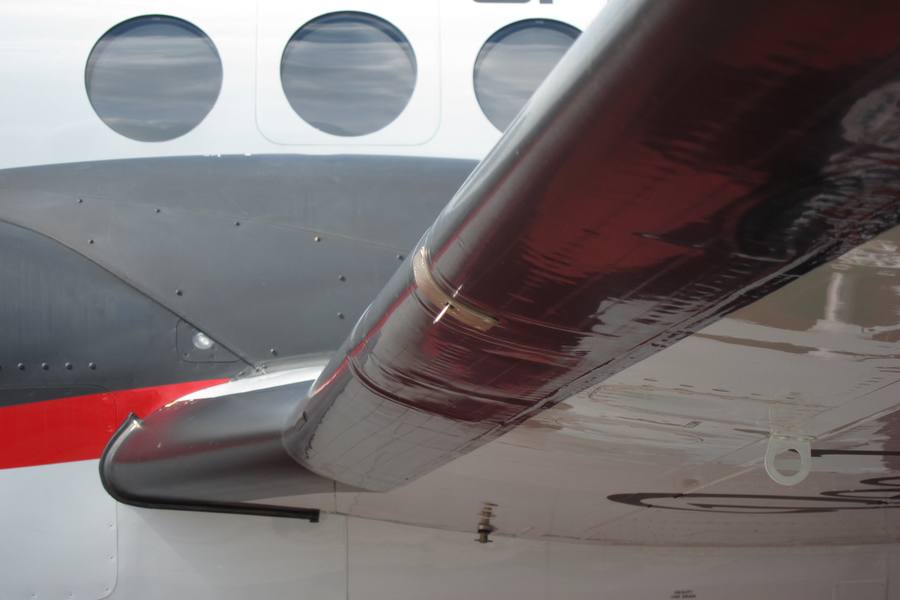
Bug residue collects quickly on wing and tail leading edges, the spinner, and the cowling. It is easiest to remove soon after flight. Leading edges may have paint, bare or polished metal, or protective tape or boots depending on the aircraft, and each calls for appropriate products. Bug Residue on Aircraft Leading Edges covers this in depth.
Paint and markings
Piston aircraft range from factory finishes to decades-old paint to recent refinishes. Older single-stage paint, fresh paint that is still curing, and vinyl registration markings or stripes all have their own limits. When the paint system or refinish date is known, share it. Polishing and paint correction are proposed offerings and depend on finish type and condition.
Brightwork, spinner, and propeller
A polished spinner is a common presentation detail. The propeller itself is a different matter: blades, hubs, and de-ice equipment are maintained according to the propeller manufacturer’s guidance and your mechanic’s instructions. Cosmetic cleaning of a propeller, if included at all, should stay within what the owner and mechanic approve.
Fabric-covered aircraft
Some classic and utility aircraft are fabric covered. Fabric covering systems have their own manufacturer care guidance, and the products suitable for metal and composite skins may not suit them. Confirm the covering system before any cleaning plan is set.
Transparencies
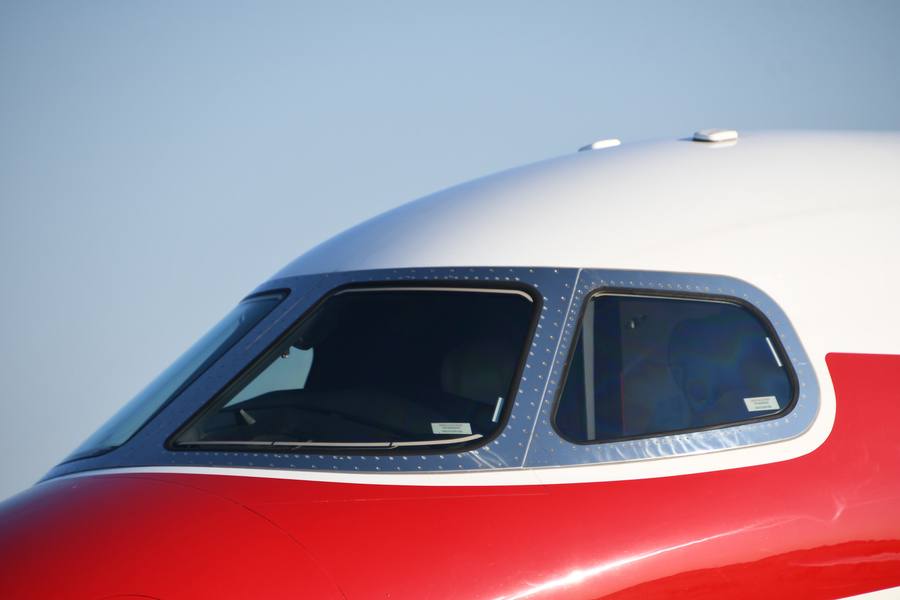
Piston aircraft windows and windshields are commonly acrylic plastic rather than glass, and they scratch easily and can be damaged by the wrong chemicals. AOPA Pilot’s guidance on window care advises flushing loose dirt with water first, using soft cloths rather than paper towels, wiping in straight lines, and keeping ammonia-based glass cleaners and aromatic solvents away from aircraft windows. The transparency and aircraft manufacturers’ instructions take precedence. Why Aircraft Transparencies Need Material-Specific Care goes further.
Sensitive areas, at a general level
Piston aircraft have several openings and components that should be protected or avoided during cleaning:
- Pitot tubes and static ports
- Fuel vents and drains
- Cowling inlets, outlets, and engine compartment openings
- Stall warning vanes or sensors and other probes
- Antennas
- Control surfaces, hinges, and gaps
- Wheel fairings, brakes, and landing gear components
AC 43-4B recommends protecting against water and cleaning compound intrusion at openings such as vents and pitot static openings during washing, and making sure all protections are removed afterward. Agree in advance on who installs and removes any protection, and include it in your preflight.
AC 43-4B also describes the wheel well and landing gear area as one that receives heavy punishment and needs frequent cleaning, lubrication, and paint touch-up. The cosmetic cleaning can be part of a detail. Lubrication and touch-up of landing gear are maintenance matters.
Interior
Piston cabins are compact and heavily used. Typical concerns include:
- Leather, vinyl, or fabric seats, sometimes mixed in one aircraft
- Carpet and side panels that collect dirt from boots and baggage
- Headliners that stain easily and should not be soaked
- Instrument panels with analog gauges, glass displays, or both
Products and moisture levels should suit each material. Around the panel, cleaning should stay light and follow the avionics and display manufacturers’ guidance. Detailing does not involve powering up avionics, removing panels, or touching wiring.
Trainers and rental aircraft see the most use; Interior Cleaning Considerations for Flight School Aircraft covers that case.
Who handles what beyond cosmetics
| Task | Who handles it |
|---|---|
| Exterior and interior cosmetic cleaning | Detailer, within agreed scope |
| Lubrication after washing | Owner or mechanic, per the maintenance manual |
| Corrosion inspection and treatment | Mechanic |
| Propeller care beyond surface cleaning | Mechanic, per propeller manufacturer guidance |
| Upholstery or window repair | Mechanic, interior shop, or transparency specialist |
| Moving the aircraft | Owner, pilot, FBO, or maintenance provider |
FAA Advisory Circular 43.13-1B describes acceptable methods for inspection and repair when manufacturer data is not available. It is a maintenance reference for mechanics, which is another way of saying that those tasks are outside a detail.
Requesting a quote for a piston aircraft
When you request an aircraft detailing quote, include the make, model, and year, whether the aircraft is hangared or tied down, and any known paint, window, or interior concerns. If you are thinking about regular visits, recurring aircraft care is often a good fit for piston aircraft that fly frequently.
Sources
- Advisory Circular 43-4B, Corrosion Control for Aircraft (Federal Aviation Administration)
- Airframe and Powerplant: Wash Me (windshield and window care) (AOPA Pilot)
- Advisory Circular 43.13-1B, Acceptable Methods, Techniques, and Practices: Aircraft Inspection and Repair (Federal Aviation Administration)
This article is general information about cosmetic aircraft care. It is not maintenance guidance. Your aircraft's manufacturer documentation and your maintenance provider take precedence.