Bug Residue on Aircraft Leading Edges
Why insect residue builds up on leading edges and windshields, why it hardens over time, and why deice boots, erosion tape, and coatings change the method.
NWA Aircraft Detailing Editorial · · 4 min read
Leading edges, the nose, spinners, and windshields meet the air first, so they collect most of the insect residue an aircraft picks up in flight. Fresh residue is soft and comes off relatively easily; left for days, it dries, hardens, and bonds to the surface, which pushes people toward scrubbing and stronger products. The safest approach is to remove it promptly, soften rather than scrape, and match the method to what the leading edge is actually made of.
This article covers the leading-edge problem in general, at any time of year. For how insect season shapes cleaning frequency, see summer insect residue and exterior cleaning.
Why residue concentrates where it does
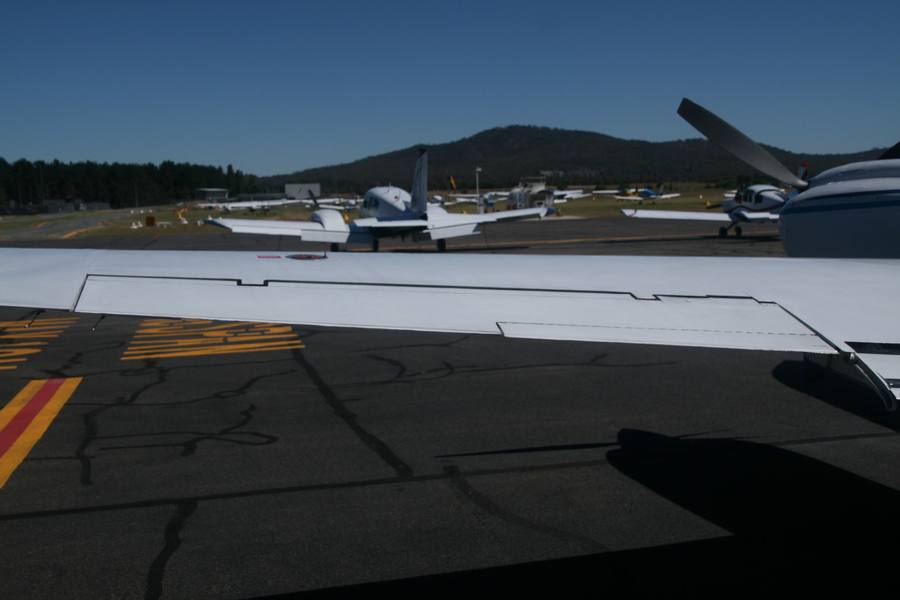
Insects strike the surfaces facing the relative wind: wing and tail leading edges, the nose and cowling, spinners, propeller blades, landing lights, and the windshield. Climb and approach at low altitude, where insects are more common, tend to add the most. The result is a band of residue along the front of each surface, often heaviest near the root and around the landing light lenses.
Why it gets harder to remove with time
Fresh residue is moist and sits on the surface. As it dries it hardens and adheres more firmly, and sun on the surface can speed that up. Dried residue tempts people to scrape or rub, and rubbing a hard particle across paint, acrylic, or a soft coating is how scratches happen.
Two general principles follow from published guidance:
- Soften first. AOPA’s guidance on windshield care advises keeping the surface wet for a few minutes to soften bug splats before wiping, and flushing loose dirt away first, because dirt left on the surface during wiping causes scratches.
- Avoid abrasion. FAA AC 43-4B recommends against abrasive cleaning pads in its aircraft cleaning procedures. A stiff pad that removes a bug can also remove gloss or protective finish.
Transparency makers treat insect residue as a known problem. PPG Aerospace, for example, describes one of its transparency cleaning products as having an emphasis on removing insect residue, and describes it as non-abrasive to protect sensitive coatings. That is a product description, not a universal method, but it shows the residue is treated as a material-compatibility question.
Leading edges are not all the same surface
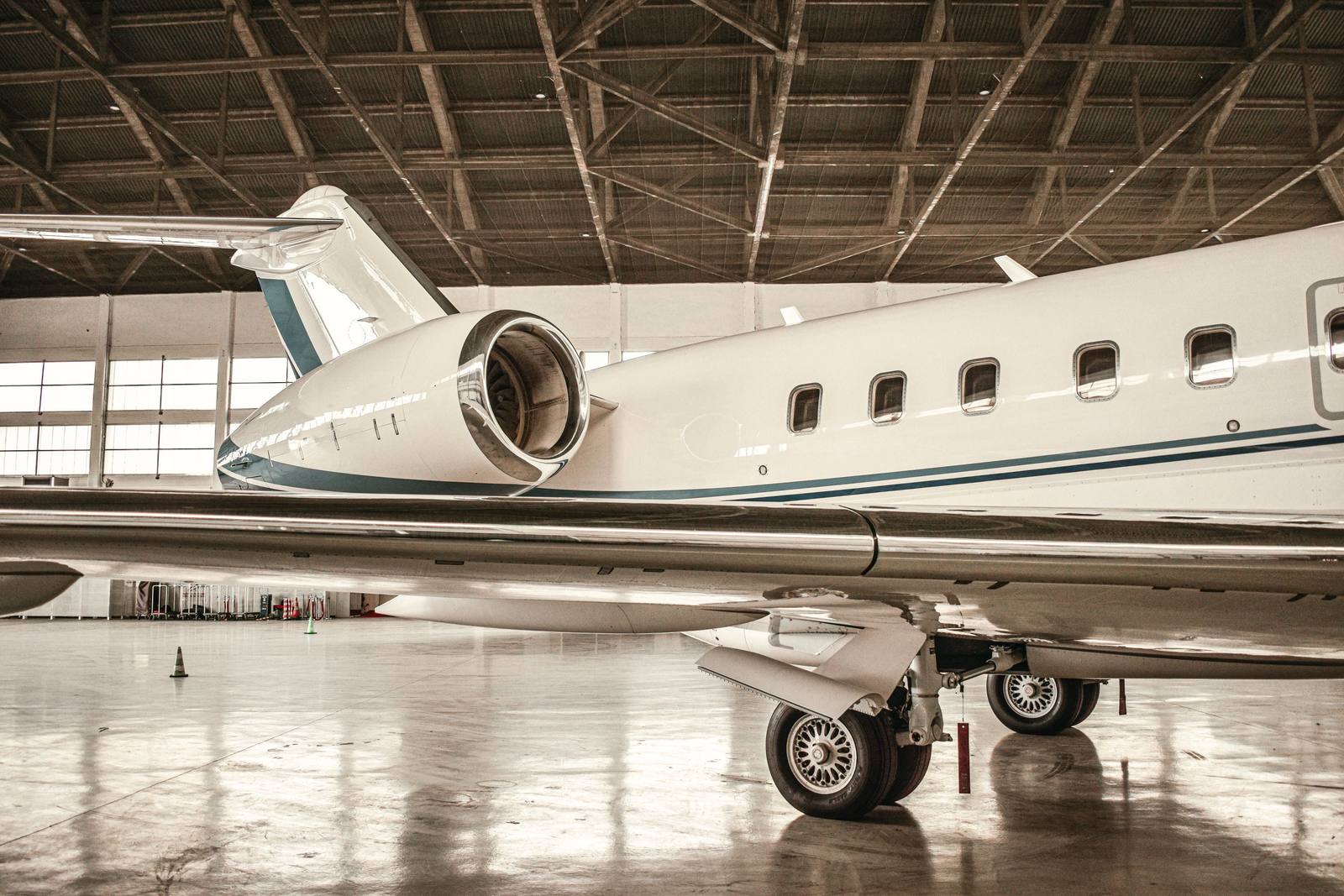
This is the main reason there is no single bug-removal method. Depending on the aircraft, the leading edge may be:
| Leading edge type | Why it matters for cleaning |
|---|---|
| Painted aluminum or composite | Paint system limits apply; abrasion dulls or wears the finish |
| Bare or polished metal | Polished surfaces mar easily; see brightwork questions |
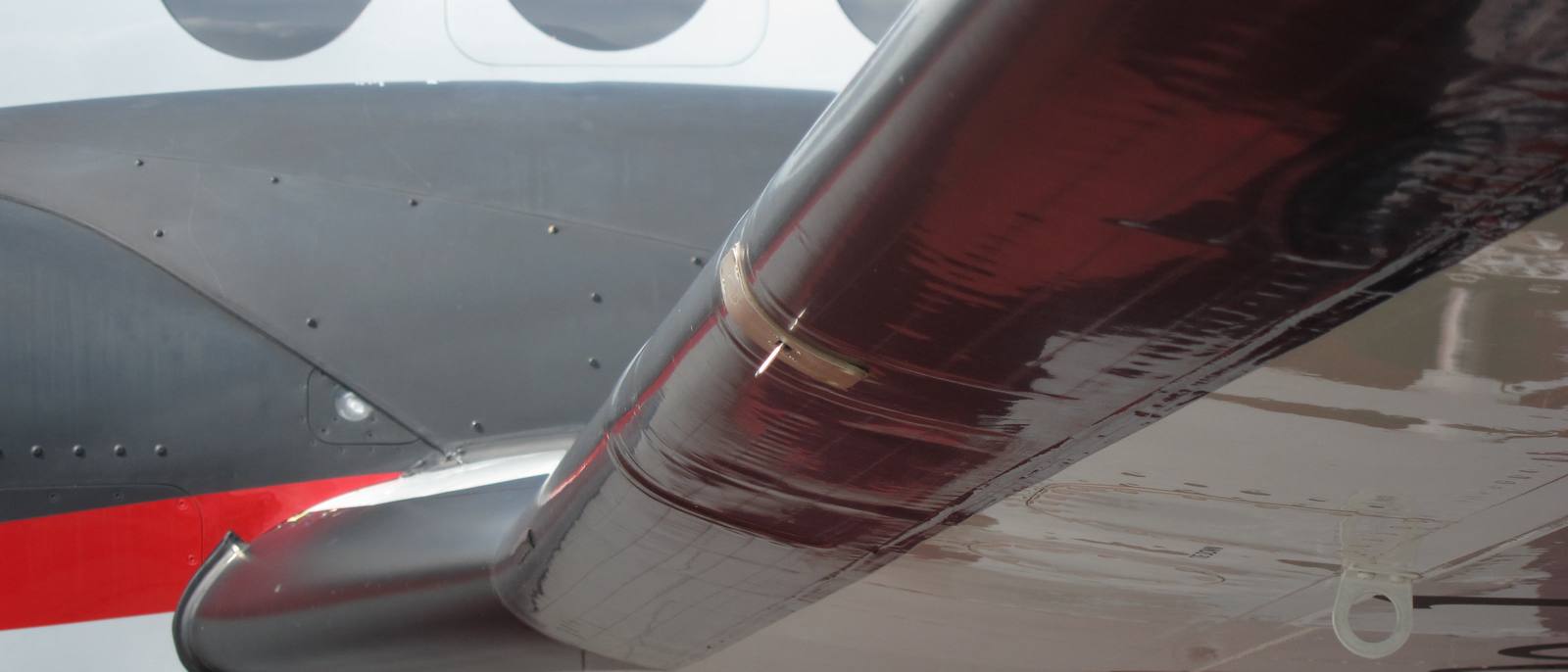
| Pneumatic deice boots | Rubber has its own cleaning and treatment requirements from the boot and aircraft manufacturer; some solvents and products can harm it |
| Erosion tape or protective film | Edges can lift if worked aggressively or hit with strong solvents |
| Weeping-wing or fluid ice protection panels | Porous or perforated panels need methods that do not clog or contaminate them |
| Rain erosion resistant coating | The FAA handbook notes some metal leading edges carry these coatings, which have their own care limits |
Ice protection systems are aircraft systems. Cleaning around them is a cosmetic task, but inspecting, servicing, or treating them is maintenance, and the products used near them should be ones the system and aircraft manufacturers allow.
Windshields and lights
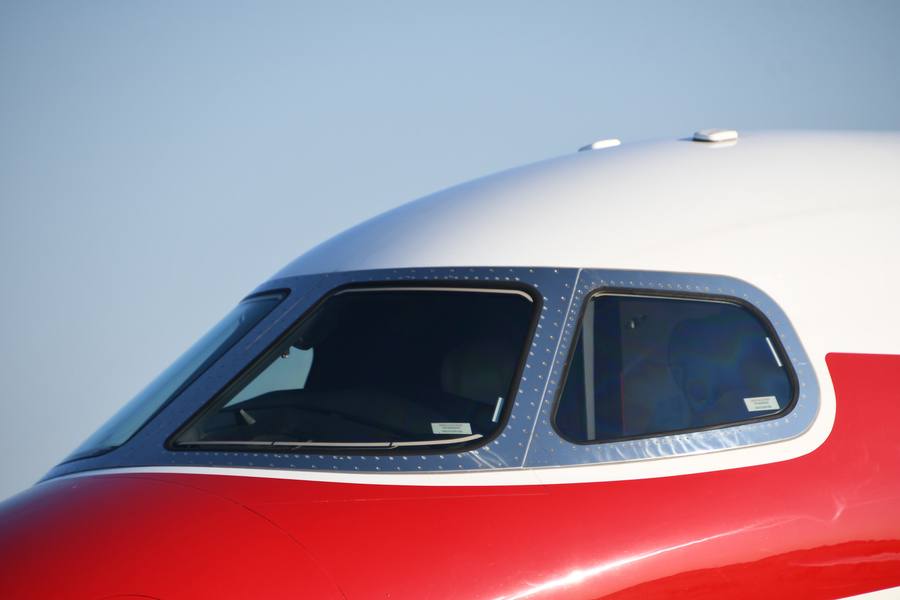
Insect residue on a windshield is the same problem on a much more sensitive surface. Acrylic scratches far more easily than paint, and the wrong solvent can soften and craze it. AOPA advises against paper towels on windshields and recommends linear rather than circular wiping. The full set of transparency considerations is covered in why aircraft transparencies need material-specific care.
A note on what clean leading edges do and do not mean
The FAA handbook observes, in its discussion of boundary layer airflow, that on a high-speed airplane even a few bugs splattered on the leading edge can negatively affect boundary layer air. That is an aerodynamic statement from a training text, not a promise that cleaning produces any measurable performance change on a particular aircraft. Cleaning leading edges is cosmetic care. Any question about how residue affects your aircraft’s performance belongs with the manufacturer’s documentation and your pilot training materials.
Practical habits
- Remove residue soon after flights, especially in warm weather, before it hardens.
- Rinse or soak before wiping. Let water or an approved cleaner do the work.
- Use clean, soft materials suited to the surface, and rinse them often.
- Do not scrape paint, boots, tape, or transparencies.
- Check the POH or AFM handling section and maintenance manual for approved products, especially near deice boots and transparencies.
- Consider protective products only after checking compatibility. Some owners ask about wax or coatings on leading edges; the sealants, waxes, and coatings article explains why that is a compatibility question first.
Regular attention keeps the job small. For aircraft that fly often, folding leading-edge cleaning into recurring aircraft care avoids a buildup that requires heavier work later.
Requesting a quote
When you request a quote, tell us what the leading edges are (painted, bare metal, deice boots, erosion tape), how long the residue has been on, and any product restrictions in your aircraft’s documents. Photos of the leading edges and windshield help us discuss a suitable scope.
Sources
- Aviation Maintenance Technician Handbook: General (FAA-H-8083-30B) (Federal Aviation Administration)
- Advisory Circular 43-4B, Corrosion Control for Aircraft (Federal Aviation Administration)
- Airframe and Powerplant: Wash Me! (AOPA)
- PPG Clarity Wipes: Optimized Transparency Cleaning for Aircraft Maintenance (PPG Aerospace)
This article is general information about cosmetic aircraft care. It is not maintenance guidance. Your aircraft's manufacturer documentation and your maintenance provider take precedence.