Aircraft Sealants, Waxes, and Coatings: Understanding the Differences
Wax, paint sealant, and ceramic-type coatings are different products, and sealant means something else in maintenance. Why compatibility always comes first.
NWA Aircraft Detailing Editorial · · 4 min read
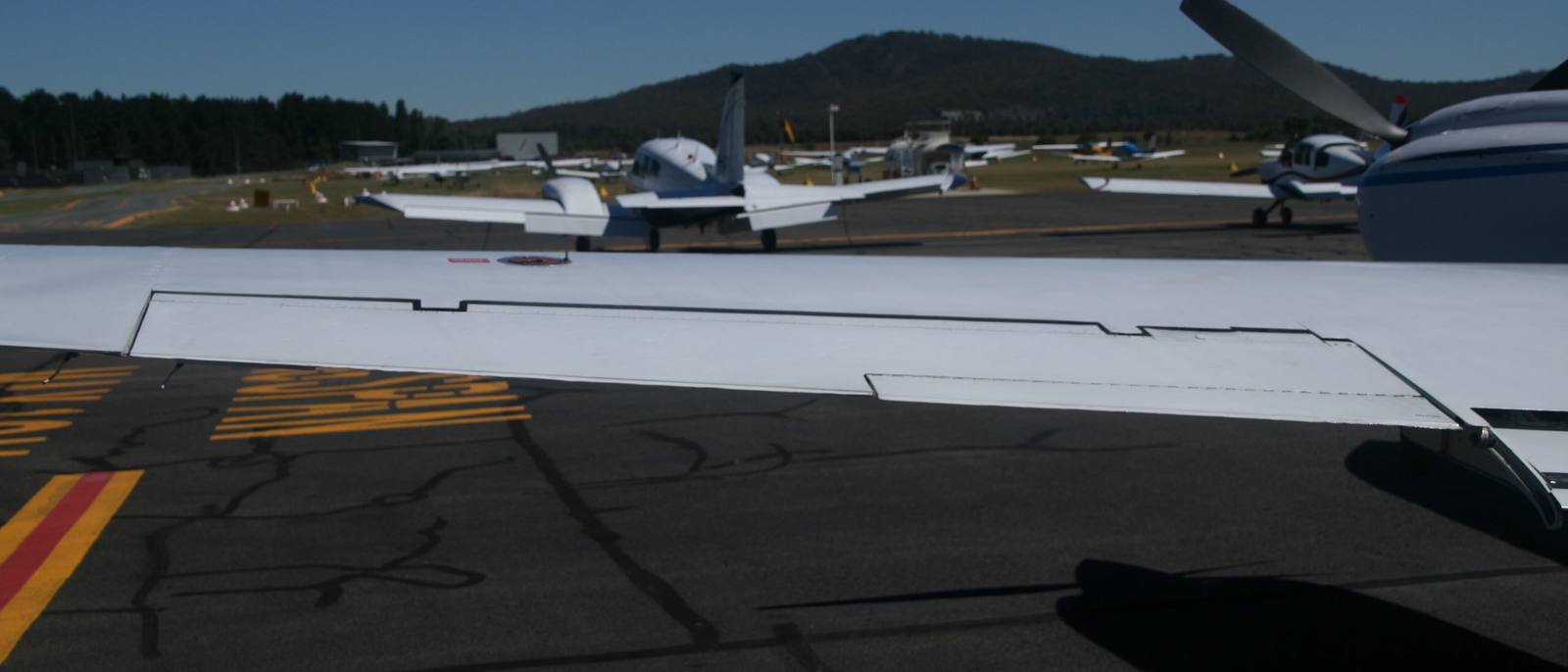
Wax, paint sealant, and ceramic-type coating are three different kinds of surface protection product, and they differ mainly in what they are made of, how long they last, and how hard they are to remove. In aircraft maintenance, the word “sealant” also means something entirely different: the compounds that seal joints, fasteners, and fuel tanks. Before any protective product goes on an aircraft, the question is not which is best but which is compatible with the paint, metal, transparencies, and other materials on that aircraft, according to their manufacturers.
Ceramic coating and paint protection are proposed services for us, pending confirmation. This article explains the categories; it is not an offer or an application guide.
First, clear up “sealant”
In detailing, “paint sealant” usually means a synthetic protective product applied over paint. In aviation maintenance, “sealant” means compounds used to seal seams, fasteners, windows, and fuel tanks against fluid and moisture. AC 43.13-1B, for example, lists replacing deteriorated or damaged gaskets and sealants to avoid water intrusion among its corrosion-prevention guidelines.
Those maintenance sealants are part of the aircraft’s structure and systems. Inspecting, repairing, or replacing them is maintenance for a certificated mechanic or repair station. Cosmetic products should not be applied over them in ways that hide their condition, and strong cleaners or solvents should not be used on them without checking compatibility. When talking with a detailer, it helps to say “paint sealant” or “protective coating” so nobody confuses the two.
The three cosmetic categories
Wax
Waxes are traditional protective products, natural or synthetic, that leave a thin layer on the surface. FAA guidance mentions wax in several places:
- AC 43.13-1B suggests that, after cleaning, transparent plastic with little visible scratching can be finished with a good grade of commercial wax applied thinly and polished lightly with a soft cloth.
- AC 43-4B notes that a brightly polished metal surface is normally less corrosion resistant than an unpolished one unless protected by a coating such as wax or paint, and it illustrates applying wax to cleaned surfaces.
- The FAA maintenance handbook includes overcoating polished aluminum surfaces with waterproof wax in a corrosion treatment sequence.
Those are maintenance-context references, not a general endorsement of any wax on any aircraft. Wax is generally the easiest category to remove and reapply, and the shortest-lived.
Paint sealant
“Paint sealant” is a marketing category more than a technical one. These are usually synthetic polymer products designed to last longer than traditional wax. Formulations vary widely, so what one product does tells you little about another.
Ceramic-type coating
These products, often described by their makers as silica-based, are intended to form a harder, longer-lasting layer bonded to the surface. They typically require careful surface preparation, controlled application, and cure time, and they are more difficult to remove than wax. That durability is the point, and also the reason compatibility matters most here: a coating is harder to undo if it turns out to be unsuitable.
A comparison
| Wax | Paint sealant | Ceramic-type coating | |
|---|---|---|---|
| Typical makeup | Natural or synthetic wax | Synthetic polymers | Often silica-based, per makers |
| Relative durability | Shortest | Moderate | Longest, per maker claims |
| Ease of removal | Easiest | Moderate | Hardest |
| Surface prep needed | Clean surface | Clean surface, sometimes more | Thorough prep, often including polishing |
| Main compatibility question | Residue on transparencies, flat finishes, rubber | Varies by product | Paint system, cure, future repair and repaint |
Durability claims come from product manufacturers, and real results depend on storage, flying, and how the aircraft is cleaned afterward.
Why compatibility comes first
An aircraft carries many materials side by side: the paint system, bare or clad metal, anodized parts, acrylic or polycarbonate transparencies, rubber deice boots and seals, decals and markings, and sometimes flat or special finishes. A product that suits one can harm another. The FAA handbook notes, for example, that some aircraft areas use flat-finish paint that must not be cleaned more than necessary, and that some metal leading edges carry rain erosion resistant coatings.
AC 43.13-1B advises using only cleaning and polishing compounds that conform to established specifications or are specifically recommended by the aircraft manufacturer, and following the product manufacturer’s recommendations. The same logic applies to protective products. The governing documents are:
- The aircraft’s POH or AFM handling and service section and maintenance manual
- The paint system manufacturer’s guidance, including any cure time before protective products
- The transparency, deice boot, and decal manufacturers’ guidance where those surfaces are nearby
Questions that apply to every category
- Is it compatible with this paint system and these materials? Ask for the basis, not just a yes.
- What areas will be excluded? Transparencies, boots, sensors, static ports, antennas, seals, and markings usually need protection.
- What does it mean for future maintenance and repaint? A paint shop or mechanic may need to know what is on the surface before repairs, touch-ups, or bonding.
- How should the aircraft be cleaned afterward? Some products change which cleaners are appropriate.
- What are the claims based on? Be careful with claims of corrosion prevention, fuel savings, or performance gains. Those are not things a cosmetic product can be assumed to deliver.
Related reading
For whether a coating fits a specific finish, see is an aircraft ceramic coating appropriate for your finish. If the aircraft already has a coating, see caring for an aircraft with an existing protective coating. For protecting polished metal, see brightwork questions to ask before polishing. The proposed services are described on the ceramic coating and paint care and protection pages.
Requesting a quote
If you are weighing protection options, request a quote and include the aircraft type, the paint system and its age if known, any existing wax or coating, and how the aircraft is stored. We can start with cleaning and a condition review, then discuss protection questions, noting that coatings and paint protection are proposed services pending confirmation.
Sources
- Advisory Circular 43-4B, Corrosion Control for Aircraft (Federal Aviation Administration)
- Advisory Circular 43.13-1B, Acceptable Methods, Techniques, and Practices: Aircraft Inspection and Repair (Federal Aviation Administration)
- Aviation Maintenance Technician Handbook: General (FAA-H-8083-30B), Chapter 8, Cleaning and Corrosion Control (Federal Aviation Administration)
This article is general information about cosmetic aircraft care. It is not maintenance guidance. Your aircraft's manufacturer documentation and your maintenance provider take precedence.