Aircraft Brightwork: Questions to Ask Before Polishing
Clad, anodized, and plated aircraft metal need different care. What FAA guidance says about polishing bare metal, and what to settle before anyone starts.
NWA Aircraft Detailing Editorial · · 4 min read
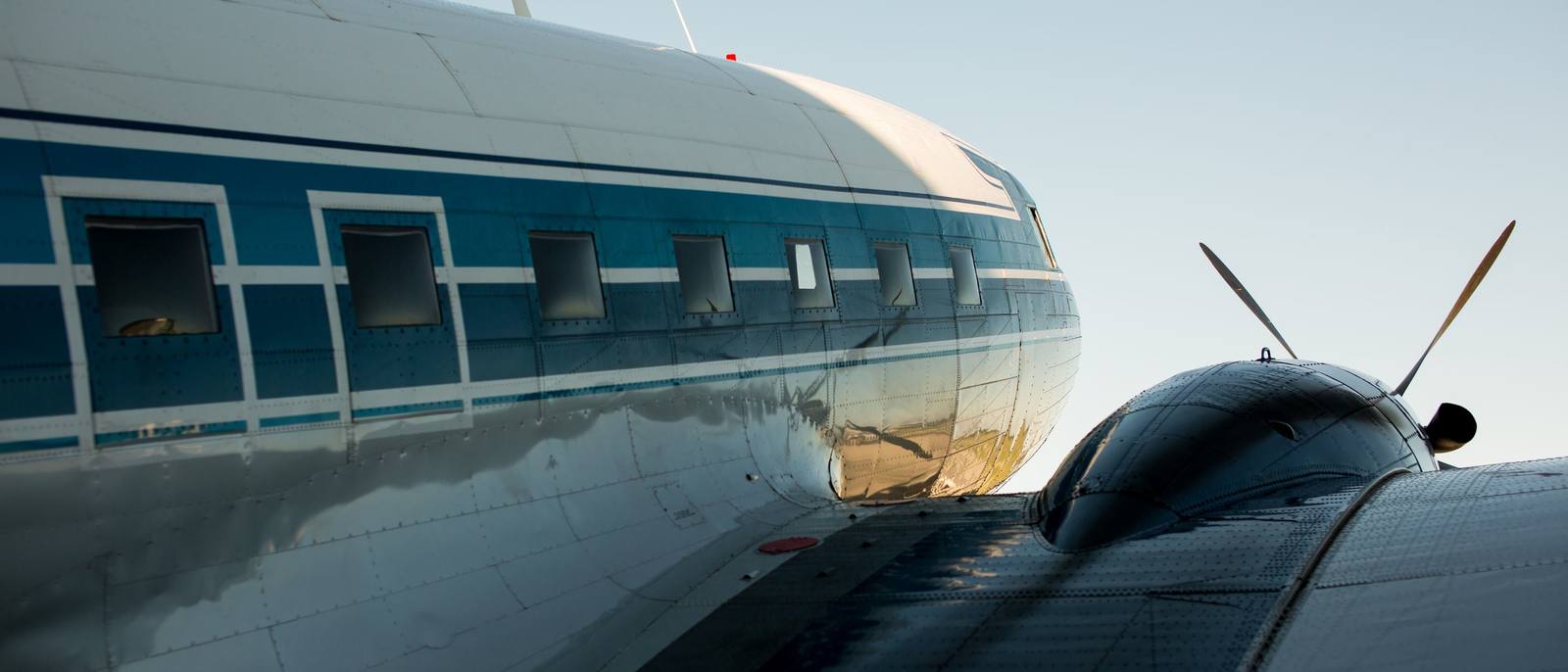
Polished bare metal looks simple, but “brightwork” on an aircraft can mean several different surfaces: clad aluminum skins, anodized parts, chrome or other plated hardware, stainless steel, and painted parts that only look metallic. FAA guidance treats these very differently, and some should not be polished at all. Before anyone polishes, the right questions are what each surface is, what its manufacturer allows, and what polishing will remove.
Aircraft polishing and brightwork is a proposed service for us, pending confirmation. This article is educational; for the proposed approach, see aircraft polishing and brightwork.
Why polishing metal is not just a cosmetic step
Polishing works by abrasion. Even fine polishes remove a small amount of material each time. On aircraft metal, that material can be a protective layer that matters.
Clad aluminum (Alclad)
FAA AC 43-4B and the FAA maintenance handbook explain that many aluminum skins carry a thin layer of relatively pure aluminum over a stronger alloy, because the pure layer resists corrosion better. AC 43-4B gives that layer as 1 to 5 mils thick. Both sources say the clad surface can be maintained in a polished condition, but they also warn to avoid unnecessary mechanical removal of the cladding, which would expose the more susceptible alloy underneath, and to take care to prevent staining and marring of the exposed aluminum.
Anodized aluminum
The FAA handbook warns that metal polish intended for clad aluminum must not be used on anodized aluminum, because it is abrasive enough to remove the protective anodized film. It also states that producing a buffed or wire brush finish on anodized surfaces is prohibited.
Coated metal
AC 43-4B says not to polish coated metal surfaces for aesthetic purposes. It explains that buffing removes the protective coating, and that a brightly polished surface is normally not as corrosion resistant as an unpolished one unless protected by a coating such as wax or paint. It also notes that a bare skin sheet polished to a mirror finish holds up better than a bare, mill-finished sheet when both are given regular maintenance. In short: polishing is acceptable on some surfaces and not others, and keeping a polished surface protected is part of the job.
Plated and other metals
Chrome, cadmium, and other plated parts have thin coatings of their own. In its propeller cleaning guidance, for example, the FAA handbook says to avoid tools and abrasives that scratch or otherwise damage the plating on steel hubs. Stainless and titanium parts have their own handling notes. Which parts on your aircraft are which is a question for the maintenance manual and your mechanic.
Questions to ask before polishing
About the aircraft
- What is each “bright” surface made of? Clad skin, anodized part, plated hardware, stainless, or paint?
- What does the aircraft manufacturer allow? The POH or AFM handling and service section and the maintenance manual may limit polishing products or methods, or prohibit polishing on some parts.
- Has it been polished before, and how often? Repeated aggressive polishing over years removes more material.
- Is there any corrosion? Pitting, white or gray powdery deposits, or staining that will not clean off should go to a mechanic. AC 43-4B states that corrosion inspection, identification, and treatment are the operator’s responsibility through the manufacturer’s guidance or the maintenance program. Polishing over corrosion hides it.
About the method
- Hand or machine? Machine polishing removes material faster and generates more heat.
- What products, and why these? The FAA handbook says polishing materials vary in abrasiveness and that the aircraft manufacturer’s instructions should be used in specific applications. AC 43.13-1B adds that only cleaning and polishing compounds that meet established specifications or are recommended by the aircraft manufacturer should be used.
- What areas are excluded? Transparencies, deice boots, antennas, seals, sensors, static ports, markings, and painted areas next to bare metal all need protection.
- How is residue removed? Polish residue left in seams, around rivets, or near openings is undesirable. The FAA handbook’s propeller cleaning guidance, for instance, says all traces of polish must be removed immediately after polishing.
- What protection follows? Given AC 43-4B’s point that polished surfaces need protection such as wax, ask what will be applied afterward and whether it is compatible.
About expectations
- What is realistic for this metal? A badly stained or worn surface may not come back to a mirror finish without removing more material than is wise.
- How long will it last? Polished metal dulls with exposure and needs ongoing care, especially on aircraft stored outdoors.
What belongs with a mechanic
Removing corrosion, chemically treating metal, removing parts to polish them, and assessing whether any metal loss is within limits are maintenance tasks. A cosmetic provider should stop and point out anything that looks like corrosion rather than polish it away.
Spinners, propellers, and hardware
Spinners are a common brightwork item. Propeller blades are not a cosmetic surface to experiment on; any cleaning or finishing of blades should follow the propeller manufacturer’s instructions and your mechanic’s guidance. The same applies to any part where material removal could matter.
Related reading
Protection after polishing is covered in sealants, waxes, and coatings. If the dull surface is paint rather than metal, see paint oxidation: cosmetic signs and next steps. For comparing any polishing proposal, see how to evaluate an aircraft detailing proposal.
Requesting a quote
When you request a quote, list which surfaces you consider brightwork, whether they have been polished before, any corrosion your mechanic has noted, and how the aircraft is stored. We can start with cleaning and a condition review and discuss polishing questions from there, with the understanding that polishing is a proposed service pending confirmation.
Sources
- Advisory Circular 43-4B, Corrosion Control for Aircraft (Federal Aviation Administration)
- Aviation Maintenance Technician Handbook: General (FAA-H-8083-30B), Chapter 8, Cleaning and Corrosion Control (Federal Aviation Administration)
- Advisory Circular 43.13-1B, Acceptable Methods, Techniques, and Practices: Aircraft Inspection and Repair (Federal Aviation Administration)
This article is general information about cosmetic aircraft care. It is not maintenance guidance. Your aircraft's manufacturer documentation and your maintenance provider take precedence.