Paint Protection and Presentation
Caring for an Aircraft With an Existing Protective Coating
If your aircraft has a ceramic, polymer, or sealant coating: identify it, follow its maker's care steps, avoid layering unknowns, and brief your detailer.
NWA Aircraft Detailing Editorial · · 4 min read
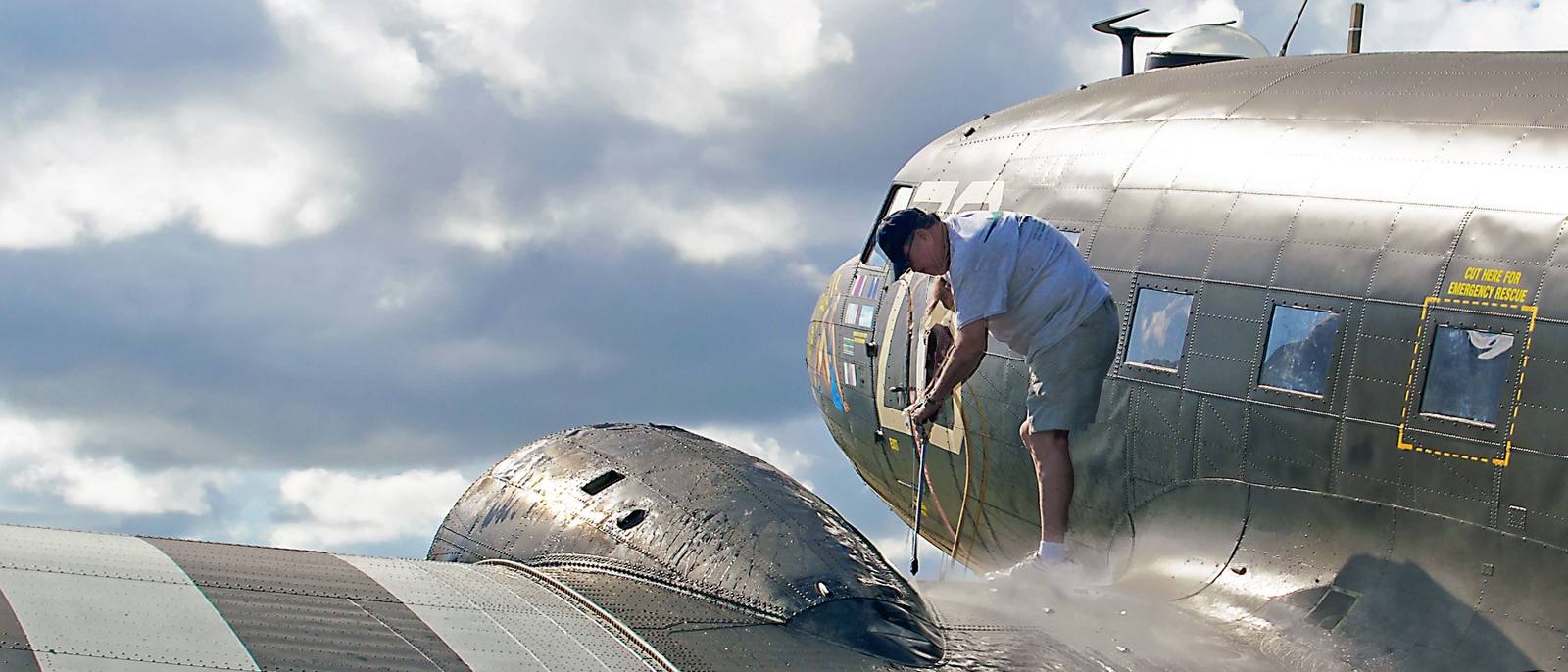
Caring for a coated aircraft starts with knowing exactly what is on it. Once you know the product and who applied it, its manufacturer’s care instructions take priority over general habits, and anyone who washes or details the aircraft should hear about the coating before they start. The most common mistakes are layering unknown products over the coating and using cleaners the coating’s maker never intended.
Find out what the coating is
“It has a ceramic coating” is not enough information to care for it. Track down:
- The product name and, if possible, the specific version
- Who applied it and when
- Which surfaces were coated and which were left out
- The care instructions the applicator or manufacturer provided
- Any maintenance or “topper” products the manufacturer intends for upkeep
- The paint system underneath, if known
If you bought the aircraft with a coating already on it, ask the seller or broker for the applicator’s paperwork. If that cannot be found, treat the coating as unknown and be conservative: gentle cleaning, no new products layered on top until someone qualified has looked at it.
Our overview of sealants, waxes, and coatings explains why these categories behave differently.
Follow the coating maker’s instructions first
Coatings are designed around particular cleaners and particular upkeep routines. Some are meant to be renewed: an NBAA article on painting notes that some polymer coatings are buffable, so a worn layer can be removed and replaced. Others are not meant to be polished at all. Only the product’s own documentation answers which kind you have.
Where coating instructions and the aircraft manufacturer’s care guidance overlap, both apply. The FAA General handbook says cleaning agents must be used in accordance with the applicable maintenance manual, and that guidance does not go away because a coating is present.
Avoid layering unknown products
It is tempting to add a spray wax or “quick detailer” on top of a coating. That can change how the surface behaves, and some products can interfere with later repairs. Duncan Aviation’s finish care guide specifically warns against waxes containing silicone and against one-step clean-polish-and-wax products, which contain abrasive cleaners that can scratch or dull a high-gloss urethane finish. The same guide recommends spot-testing any product on a small area first.
There is also a downstream reason. The FAA Airframe handbook says paint touch-up begins with washing and wiping the area with a degreaser and silicone wax remover, and that decals need surfaces cleaned of wax and foreign matter to adhere. A paint shop dealing with an unknown stack of products has more work to do.
Treat contaminants promptly
A coating does not make the aircraft immune to contamination. Duncan Aviation’s guidance for finishes includes:
- Fuel, oil, and solvent spills: rinse with water right away, and do not wipe
- Bird droppings: acidic, so wash them off as soon as possible with water or a soft cloth or sponge
- Ice and snow: brush off gently, and do not scrape
Bug residue, exhaust staining, and water spots still need attention on a coated finish. The method should match the coating’s instructions.
Washing and dry washing
Gentle washing remains the core of care. The FAA General handbook recommends washing in the shade where possible, since cleaning compounds can streak if applied to hot surfaces or allowed to dry, and covering openings where water or cleaners could enter. Pitot-static fittings and ports get particular attention, at a general level, according to the aircraft’s documentation.
Dry washing can suit light dust and airport film, but whether a given dry-wash product is compatible with your coating is a question for the coating’s manufacturer.
Watch for changes and report them
You do not need to diagnose a coating to notice that something has changed. Note and photograph:
- Areas where water no longer behaves the way it used to compared with the rest of the aircraft
- Hazy, blotchy, or uneven patches
- Spots that look different after a particular cleaner was used
- Chips, scratches, or edges that seem to be lifting
Share these with whoever applied the coating. Damage to the paint itself goes to a paint shop, and anything that might involve the structure goes to a certificated mechanic.
What to tell your detailer
Before any wash or detail, hand over:
- The coating product and applicator, if known
- The care instructions, or a copy of them
- Which surfaces were coated and which were excluded
- Any products you have used on it since
- Areas of concern, with photos
A good provider will ask for this anyway. If they do not, that is worth noticing. For aircraft on a schedule, the coating’s instructions can be written into a recurring care plan so every visit follows the same rules.
Coated aircraft care checklist
- Coating product, applicator, and date on file
- Care instructions saved where crew and providers can find them
- List of coated and excluded surfaces
- Approved cleaners and upkeep products identified
- Products to avoid listed (including silicone waxes and abrasive all-in-ones)
- Prompt rinse plan for fuel, oil, and bird droppings
- Notes and photos of any changes in appearance
- Paint shop informed of the coating before any touch-up
Asking about care for a coated aircraft
If you would like exterior cleaning or a recurring plan for an aircraft with an existing coating, include the coating details above in your quote request, along with where the aircraft is based and how it is stored. That lets the scope reflect the coating’s requirements from the first visit. Exterior aircraft cleaning describes the core service.
Sources
- Aircraft Exterior Finish Maintenance Guide (Duncan Aviation)
- Operations: Aircraft Painting Best Practices (NBAA Business Aviation Insider)
- Aviation Maintenance Technician Handbook, Airframe (FAA-H-8083-31B), Chapter 8: Aircraft Painting and Finishing (Federal Aviation Administration)
- Aviation Maintenance Technician Handbook, General (FAA-H-8083-30A), Chapter 8: Cleaning and Corrosion Control (Federal Aviation Administration)
This article is general information about cosmetic aircraft care. It is not maintenance guidance. Your aircraft's manufacturer documentation and your maintenance provider take precedence.