Planning Aircraft Detailing Near Thaden Field in Bentonville
What Bentonville owners should settle before a detail at Thaden Field (VBT): where the aircraft sits, who approves the work, and how its use shapes scope.
NWA Aircraft Detailing Editorial · · 4 min read
Planning a detail near Thaden Field mostly comes down to three questions: where on the field the aircraft is stored, who has to approve outside work there, and what the aircraft actually needs. Bentonville’s airport is a compact, city-owned field close to downtown, with a mix of city and private hangars, so the answers differ from one owner to the next. Sorting them out before you request a date saves back-and-forth later.
The field in brief
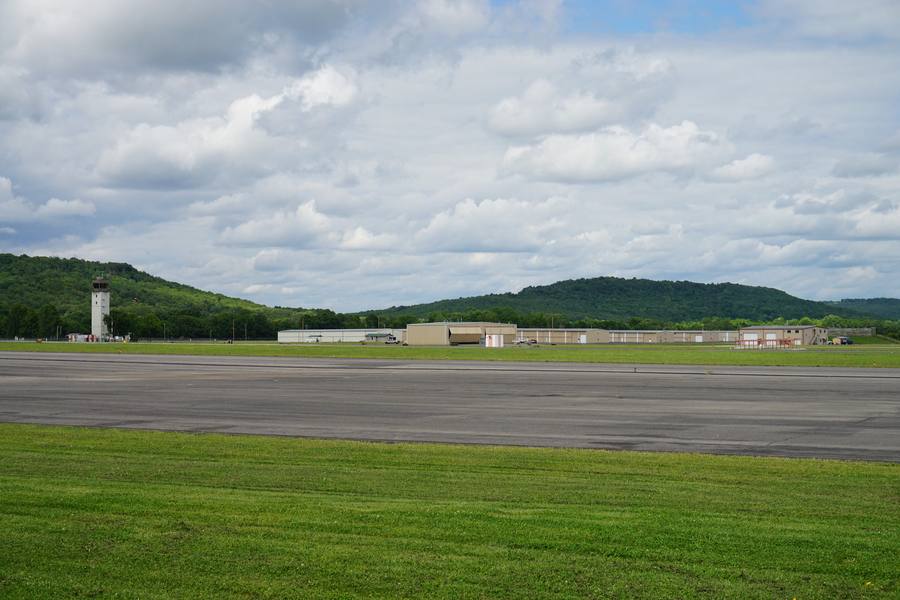
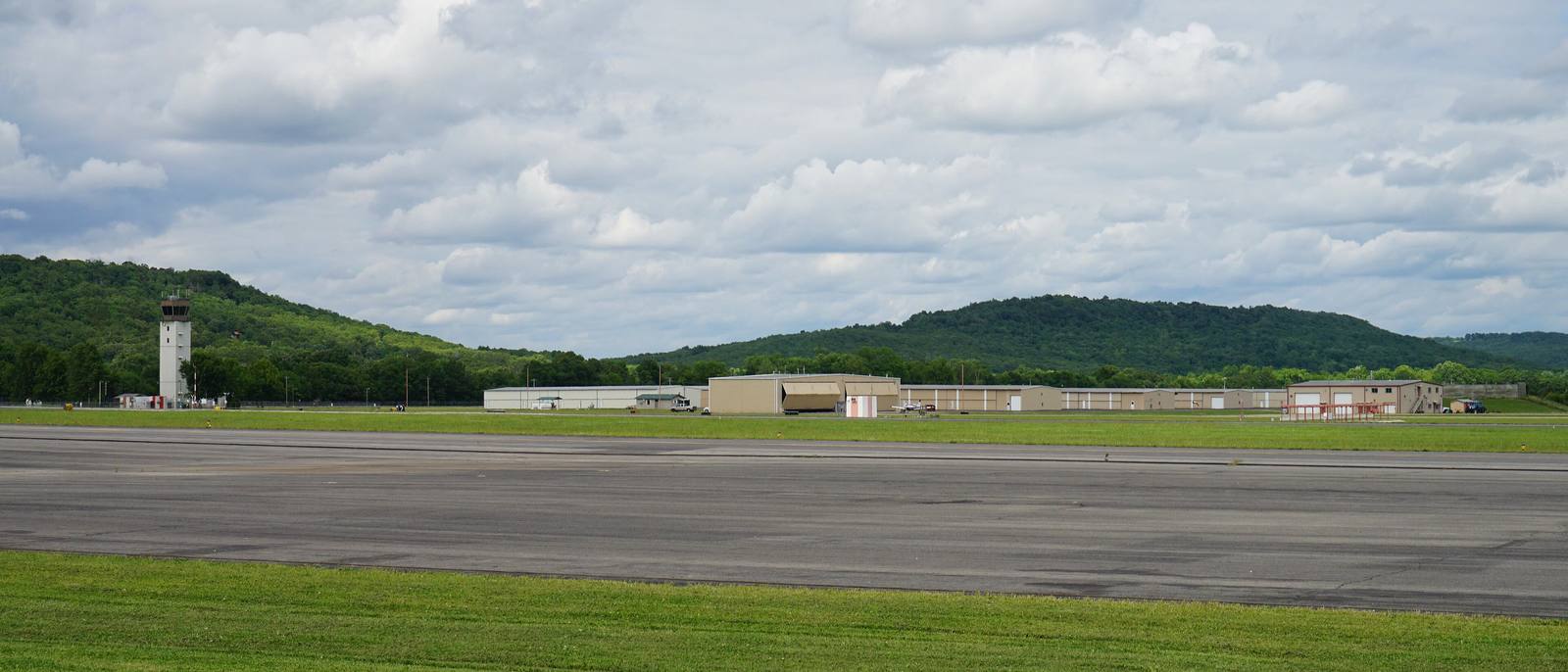
Bentonville Municipal Airport, also known as Louise M. Thaden Field (VBT), is owned by the City of Bentonville and named for Bentonville-born aviation pioneer Louise Thaden. The Arkansas Division of Aeronautics places it about 2 miles south of the city center, and Visit Bentonville describes it as sitting in Osage Park, a few minutes from downtown. The city lists a single asphalt runway, 18/36, at 5,053 by 75 feet, with 100LL and Jet A available.
The city’s airport page names Legends Air Center as the FBO and lists services on the field that include flight instruction, aircraft rental, aircraft sales and charter. It also cites a 2016 master plan figure of 56 single-engine aircraft, 5 multi-engine aircraft and 2 helicopters based there. That points to a field where privately flown singles share the ramp with business and training activity, which is a useful lens when you think about detailing scope.
Start with where the aircraft lives
Storage arrangements at VBT vary. The city reports that it owns one enclosed T-hangar building with six units and one open T-hangar with five units, and the page also lists private box hangars and an additional enclosed T-hangar. Each arrangement raises different questions.
| Where the aircraft sits | Questions to answer before scheduling |
|---|---|
| Enclosed T-hangar | Is there room to work around the aircraft with the door open? Does the lease allow outside contractors? |
| Open T-hangar | How exposed is the aircraft to dust and pollen between cleanings? |
| Private box hangar | Who controls the hangar, and do they need to approve the visit and any water use? |
| Ramp or tie-down | Would work happen in place, or does the FBO prefer another spot? Who moves the aircraft, if anyone? |
Moving an aircraft is not a detailing task. If the aircraft needs to be repositioned for cleaning, that is arranged by the owner, the operator or the FBO.
Who approves the work
The City of Bentonville publishes a document titled Minimum Requirements for Aeronautical Operations on its airport page. It defines an operator broadly enough to include independent operators who are not based at the airport, and it states plainly: “No commercial activity shall be permitted without prior agreement between the Operator and the Advisory Board.” The document does not name aircraft detailing as its own category, so how cleaning work is classified is a question for the airport. Either way, an outside detailer should expect to sort out that agreement before working on the field, and to get permission from the FBO or hangar owner where the aircraft sits.
NWA Aircraft Detailing does not claim hangar space, an office or an FBO relationship at Thaden Field. You can request service at this airport, subject to airport and facility approval and availability. Details such as water access, where rinse water may go, and what time of day work is allowed get confirmed for each job.
Matching scope to how the aircraft is used
Because the field hosts a range of flying, it helps to describe your own pattern rather than pick a package.
- A personal single flown on weekends: an exterior wash with attention to the belly and leading edges, plus a light cabin refresh, is often enough between longer intervals. See exterior aircraft cleaning.
- An aircraft that carries passengers for business: cabin presentation tends to matter more, and timing around trips matters most. Interior detailing can be scoped to the materials on board.
- An aircraft used for instruction or rental: high-touch surfaces and floor areas wear faster, and short, regular sessions can work better than occasional deep cleans. A recurring care arrangement fits that rhythm.
Whatever the use, the aircraft’s maintenance manual and the manufacturers of its paint, windows and interior materials decide which products and methods are acceptable. A detailer should ask about those, especially for coated finishes, aftermarket windows or older leather.
A pre-request checklist for VBT owners
- Confirm your storage type and the name of whoever controls that space.
- Ask the FBO or hangar owner whether they allow outside detailers and what they require.
- Note any upcoming trips, maintenance visits or inspections so the detail does not collide with them.
- List finish details you know: paint system, coatings, aftermarket windows, interior materials.
- Take a few photos of problem areas such as exhaust staining, bug residue or cabin wear.
For more on getting the aircraft ready, read preparing your aircraft for a detailing appointment. If your aircraft lives in an open T-hangar or outdoors, hangared versus outdoor aircraft care explains how that changes the work.
Requesting service at Thaden Field
When you are ready, use the Bentonville quote request and include where the aircraft is stored on the field, the name of the facility contact who would approve the work, the make and model, and the scope you are considering. More background on the field is on the Bentonville location page.
Sources
- Bentonville Municipal Airport, Louise M. Thaden Field (City of Bentonville)
- Bentonville Municipal, Louise M. Thaden Field (VBT) (Arkansas Department of Commerce, Division of Aeronautics)
- Aviation in Bentonville (Visit Bentonville)
- Minimum Requirements for Aeronautical Operations, Bentonville Municipal Airport (City of Bentonville)
This article is general information about cosmetic aircraft care. It is not maintenance guidance. Your aircraft's manufacturer documentation and your maintenance provider take precedence.