Preparing Your Aircraft for a Detailing Appointment
What owners can do before a detailing appointment: confirm access, clear the cabin, share documents and concerns, and coordinate with your mechanic.
NWA Aircraft Detailing Editorial · · 4 min read
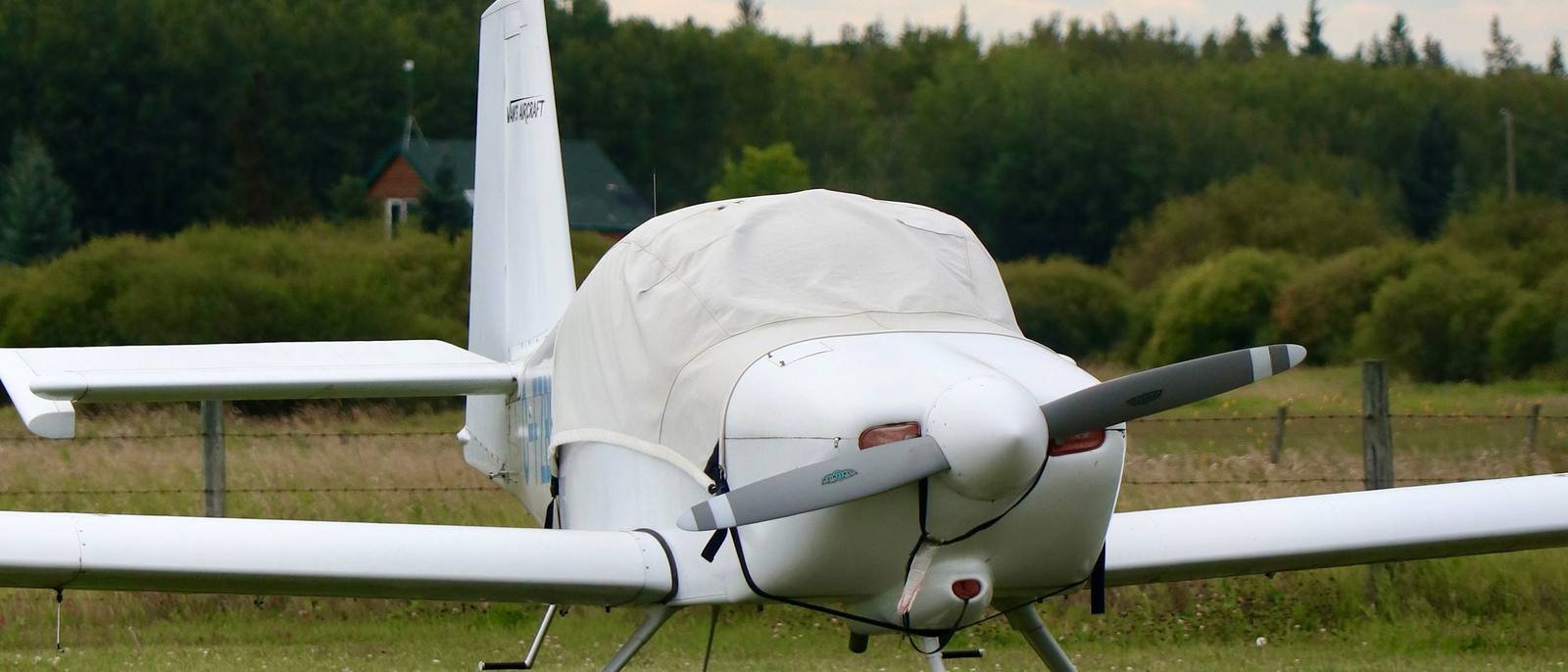
Good preparation makes a detailing appointment shorter, safer, and more predictable. Before the work begins, the owner or operator should confirm where and how the aircraft will be accessed, clear personal items from the cabin, share any care documentation and known concerns, and make sure the aircraft’s mechanic is aware of anything that touches maintenance. The detailer cleans; the owner and the mechanic stay in control of the aircraft itself.
This checklist covers what to handle in the days before an appointment and on the day itself.
A week or so before
Confirm the location and access
Agree on exactly where the work will happen: your hangar, an FBO hangar, a wash rack, or a ramp position. Then confirm the practical details:
- Who will provide access to the hangar or the airport’s secured area
- Whether the hangar owner, FBO, or airport needs to approve outside service providers
- Whether water, power, and drainage are available, and what wash runoff rules apply
On-location service is a proposed model and depends on airport and facility approval, so these questions need answers before the day. Mobile Aircraft Detailing: Access and Facility Questions lists them in full.
Decide who will position the aircraft
Moving, towing, or repositioning an aircraft is not a detailing task. If the aircraft needs to come out of a hangar or move to a wash rack, arrange that with the owner, pilot, FBO, or maintenance provider who normally handles it.
Check with your mechanic
If an inspection or maintenance is coming up, let your mechanic know a detail is planned. Some steps around washing are maintenance-related. FAA Advisory Circular 43-4B, for example, includes lubrication per the applicable maintenance manual among its recommended wash procedures, and the FAA has noted that while washing by itself is not maintenance, some procedures in the washing process are, as reported by Aviation International News. Your mechanic decides how those items are handled. Coordinating Detailing With Your Aircraft’s Existing Schedule covers timing around inspections.
Gather care documentation
If you have them, have these available or note where they can be found:
- The handling, servicing, and maintenance section of the POH or AFM
- Any care guidance from the paint shop, interior shop, or transparency manufacturer
- Information about existing protective coatings, film, or recent paint or interior work
Your aircraft’s maintenance manual and manufacturer guidance govern which products and methods are appropriate. If documentation is not available, say so, so the scope can stay conservative.
The day before
Clear the cabin and baggage areas
Remove personal items, charts, headsets, tablets, loose documents, trash, and anything you do not want handled. Valuables should leave the aircraft. If items must stay, point them out.
Note areas of concern
Make a short list of what you want attention on, and what should be left alone. Examples:
- A stain on a specific seat
- Bug buildup on the leading edges
- A fresh paint repair or a new decal
- A cracked or crazed window you already know about
- An area of the interior that has been repaired
Pre-existing damage is worth noting up front for everyone’s benefit. Detailing does not repair damage, and some issues (crazing in a transparency, a lifting decal, chipped paint) belong to your maintenance provider or a paint or interior shop.
Know which covers and plugs are installed
If the aircraft has covers, pitot covers, or plugs, the owner or pilot should know which are installed and be the one to confirm their status after the appointment. AC 43-4B recommends protecting openings such as vents and pitot static openings from water and cleaning compounds during washing, and stresses that these protections must be removed afterward. Agree in advance on who installs and who removes any protection, and include it in your preflight.
On the day
- Be reachable. Questions come up, and a quick answer keeps the work moving.
- Walk the aircraft together if possible. A short walkaround confirms scope and flags anything sensitive.
- Confirm the aircraft is secure. Chocks, tie-downs, and parking brake status are the owner’s or operator’s call.
- Leave the systems alone. The detailer should not need to power up avionics or operate systems. If interior lighting or ventilation is useful, discuss it with whoever controls the aircraft.
After the appointment
Walk the aircraft again before flight. Confirm that any protective covers and tape are removed and that the aircraft is ready for your normal preflight inspection. If your mechanic planned post-wash steps, make sure they are done before the aircraft returns to service.
Preparation checklist
| Item | Who handles it |
|---|---|
| Confirm location, access, and facility approval | Owner or operator, with the facility |
| Position or tow the aircraft | Owner, pilot, FBO, or maintenance provider |
| Inform the mechanic and plan maintenance-related steps | Owner and mechanic |
| Share care documentation | Owner |
| Clear personal items | Owner |
| List concerns and known damage | Owner |
| Agree on covers and opening protection | Owner and detailer, confirmed at preflight |
| Final walkaround and preflight | Owner or pilot |
Bring your notes to the quote
Most of this preparation starts with a good quote request. When you request an aircraft detailing quote, mention where the aircraft is kept, whether it is hangared, and any concerns from your list above, so access and scope can be sorted out early.
Sources
- Advisory Circular 43-4B, Corrosion Control for Aircraft (Federal Aviation Administration)
- FAA: Auto Detailers Not Suited To Clean Aircraft (Aviation International News)
This article is general information about cosmetic aircraft care. It is not maintenance guidance. Your aircraft's manufacturer documentation and your maintenance provider take precedence.