Paint Protection and Presentation
Cleaning Around Aircraft Decals, Stripes, and Markings
Registration marks, data plates, placards, and stripes need care during detailing: what Part 45 requires, why edges matter, and what to do if one is damaged.
NWA Aircraft Detailing Editorial · · 4 min read
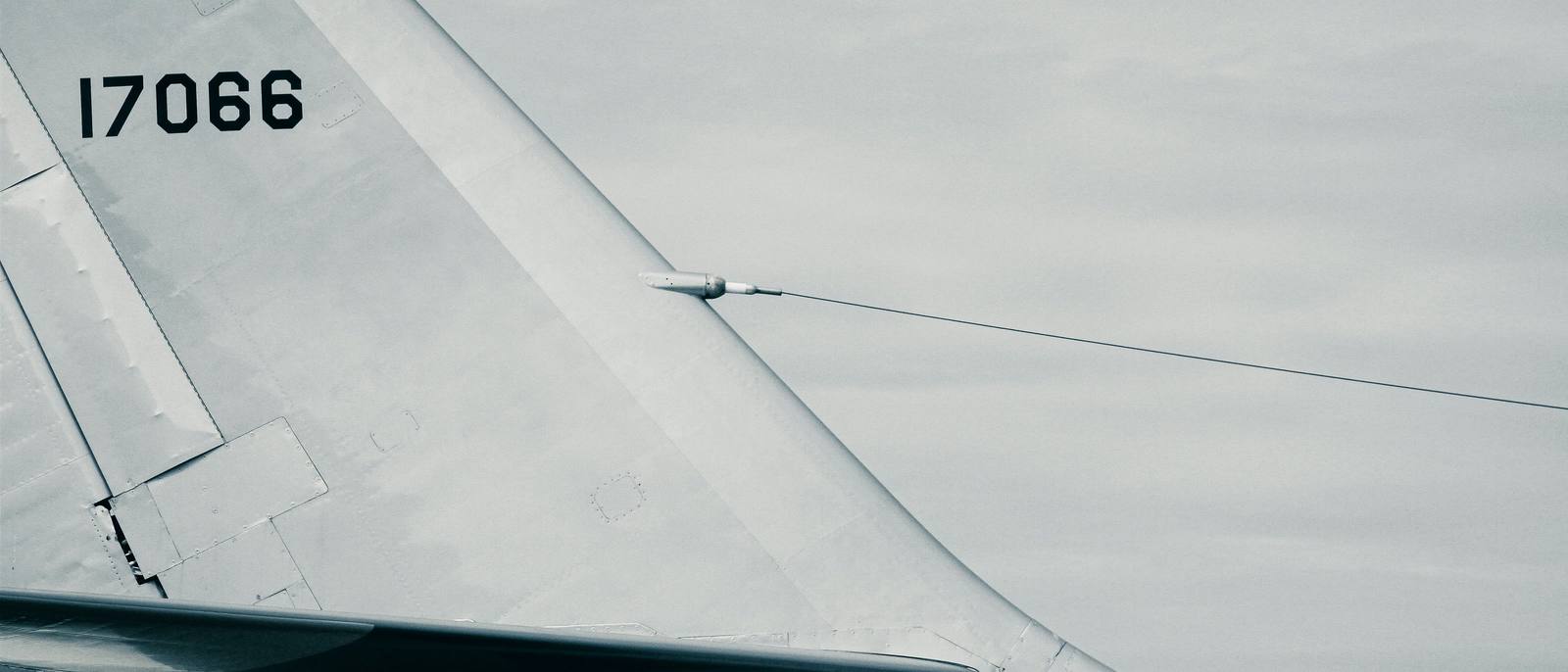
Markings on an aircraft are not all decorative. Registration marks and identification plates are governed by federal regulation, and servicing markings and placards carry information people rely on. Detailing should clean around all of them without damaging, lifting, thinning, or altering anything, and any marking found damaged should be documented and reported to the owner rather than “fixed” during a detail.
Types of markings on an aircraft
Nationality and registration marks
Under 14 CFR 45.21, no person may operate a U.S.-registered aircraft unless it displays nationality and registration marks that meet Part 45. Those marks must be painted on or affixed by other means with a similar degree of permanence, have no ornamentation, contrast in color with the background, and be legible. Section 45.21(b) also says that, unless otherwise authorized by the FAA, no person may place on an aircraft a design, mark, or symbol that modifies or confuses those marks.
Part 45 also sets size and placement rules. The FAA Airframe handbook summarizes them for fixed-wing aircraft and notes the marks may be painted or applied as decals of the proper size and color. For detailing, the practical point is simple: the marks must stay legible, intact, and unaltered. Whether marks comply with Part 45 is the owner’s and operator’s responsibility, not something a detailer certifies.
Identification plate
Section 45.11 requires an aircraft manufacturer to attach a fireproof identification plate, generally on the fuselage exterior near the rearmost entrance door or the tail. Section 45.13 says no person may remove or install that plate without FAA approval, with a narrow allowance for people performing maintenance under Part 43. A detailer should clean gently around it and never remove, polish over, or pry at it.
Servicing markings and placards
The FAA Airframe handbook describes markings that give servicing instructions, fuel and oil specifications, and tank capacities, and that identify lifting and leveling points, walkways, and battery locations. These may be stenciled or applied as paper, metal, or vinyl decals. Placards inside the cabin and cockpit deserve the same caution. Whether a particular marking or placard is required is a question for the operator or mechanic, so the safe default is to treat every one as if it matters.
Decorative stripes and graphics
Stripes and logos may be painted or vinyl. They are cosmetic, but they are often expensive to replace and can be harder to match than the base color.
Why edges are the weak point
Decals and vinyl fail at their edges first. A few things can make that worse during cleaning:
- Solvents. The FAA handbook describes removing decals with solvents such as lacquer thinner, aliphatic naphtha, and MEK. That tells you which kinds of chemicals can loosen decal adhesive or affect the decal itself. Cleaning products near markings should be ones the aircraft’s documentation and the decal or paint maker consider appropriate.
- Abrasion. Polishing pads and aggressive scrubbing can thin printed or painted marks and catch lifted edges.
- Water force and direction. Directing spray at an edge can drive water underneath a decal that is already starting to lift.
- Heat. Machine work generates heat, which can soften adhesive.
The FAA General handbook’s caution about flat-finish areas, which must not be scrubbed with stiff brushes or coarse rags, is a reminder that some surfaces simply need a lighter touch.
Good practice around markings
- Walk the aircraft before cleaning and photograph all registration marks, placards, and stripes.
- Note any edges already lifting, cracked, faded, or peeling.
- Agree on which markings are excluded from polishing or correction work.
- Wipe with the edge, not against it, so a cloth does not catch and lift it.
- Keep polishing pads and machines away from decal edges and printed marks unless the owner and paint shop have approved otherwise.
- Do not apply tape, masking, or protective film to markings without knowing how it will come off cleanly.
- Never repaint, touch up, trim, or re-stick a marking during a detail.
When a marking is damaged
If a marking is found lifting, peeling, or damaged, before or during a detail:
- Stop work in that area.
- Photograph it with enough context to show its location.
- Tell the owner or operator right away.
- Record it in the condition record.
Repair or replacement belongs to a paint shop, or to maintenance personnel where the marking is part of required identification. For registration marks, the owner should confirm compliance before the aircraft flies again.
Markings and paint protection work
Markings are among the first things to exclude from paint correction and should be discussed before any coating is applied. The FAA handbook notes that surfaces must be cleaned of wax and foreign matter for decals to adhere. If new marks or stripes are planned, ask the paint shop whether a wax, sealant, or coating should go on before or after.
Quick reference
| Marking | Detailing approach |
|---|---|
| Registration marks | Clean gently; keep legible and unaltered; report any damage |
| Identification plate | Clean around only; never remove or pry |
| Servicing markings and placards | Treat as required; gentle cleaning; report damage |
| Vinyl stripes and graphics | Watch edges; limit solvents, heat, and abrasion |
| Painted stripes | Treat as paint; exclude from correction unless approved |
Including markings in your quote request
When you request a quote, mention any stripes or decals that are vinyl, any edges already lifting, and any markings you want handled with extra care. Photos of the tail and fuselage sides help. The exterior cleaning service describes how the core wash is scoped, and the difference between a wash and a detail is covered in this comparison.
Sources
- 14 CFR Part 45, Identification and Registration Marking (Electronic Code of Federal Regulations)
- Aviation Maintenance Technician Handbook, Airframe (FAA-H-8083-31B), Chapter 8: Aircraft Painting and Finishing (Federal Aviation Administration)
- Aviation Maintenance Technician Handbook, General (FAA-H-8083-30A), Chapter 8: Cleaning and Corrosion Control (Federal Aviation Administration)
This article is general information about cosmetic aircraft care. It is not maintenance guidance. Your aircraft's manufacturer documentation and your maintenance provider take precedence.