Aircraft Detailing in Northwest Arkansas: An Owner's Guide
How aircraft detailing works in Northwest Arkansas: the airports owners use, why access is approved per field, what detailing covers, and how to plan a job.
NWA Aircraft Detailing Editorial · · 4 min read
Aircraft detailing in Northwest Arkansas is less about finding a wash and more about matching the right scope to the right airport. The region has a commercial-service airport and several city-owned general aviation fields, each with its own rules for who may work on the ramp or in a hangar. A good plan starts with the airport, then the aircraft, then the scope of work.
The airports owners in the region use
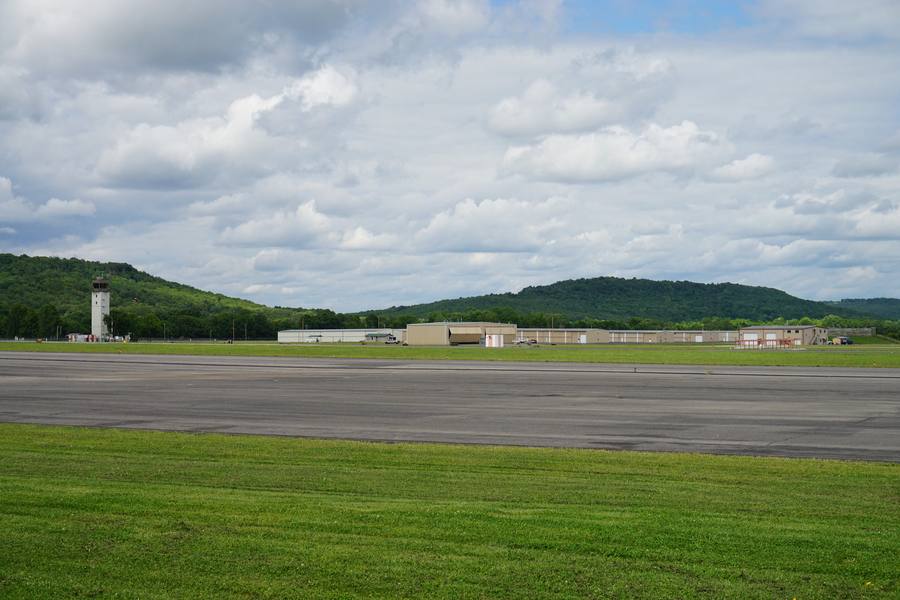
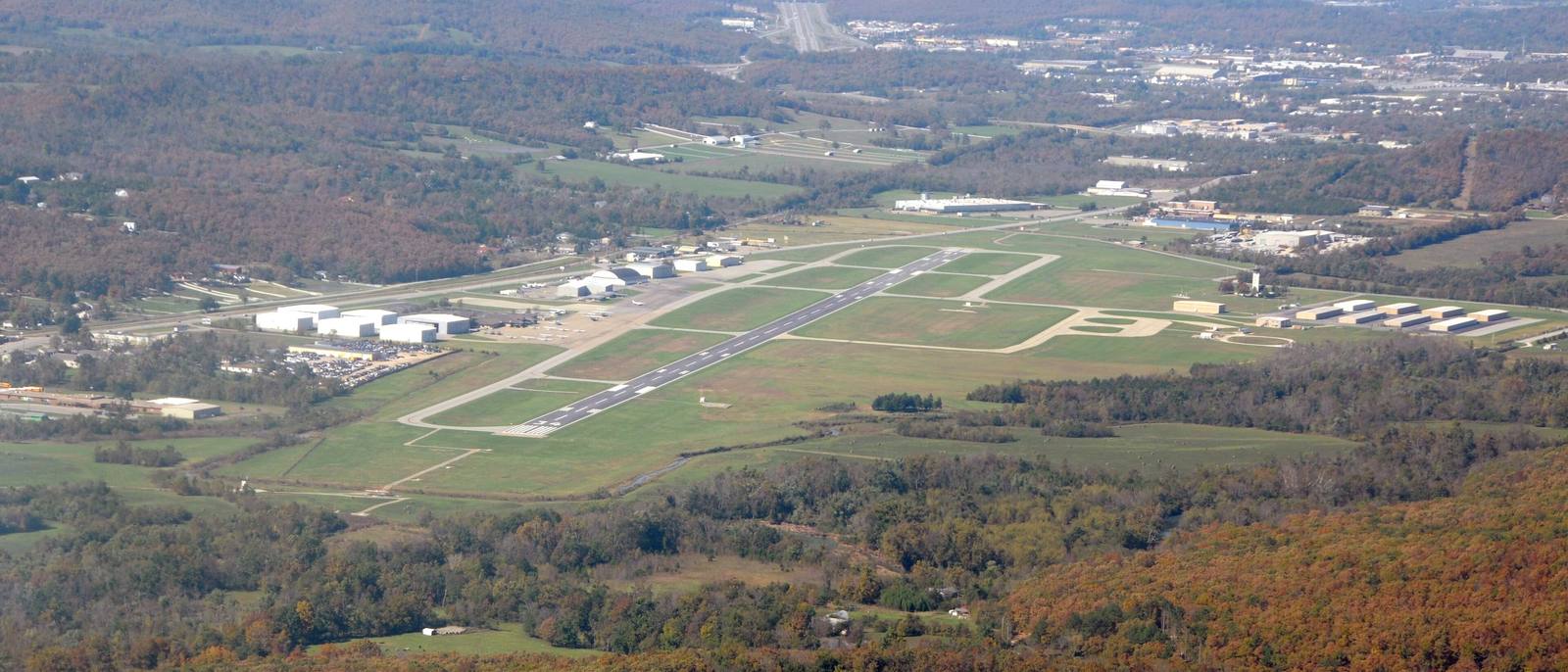
The Arkansas Division of Aeronautics lists each of the region’s general aviation fields as city owned. Their character differs, and that affects how a detail gets scheduled.
| Airport | Identifier | Notes from official sources |
|---|---|---|
| Bentonville Municipal Airport, Louise M. Thaden Field | VBT | City owned, about 2 miles south of downtown Bentonville |
| Rogers Executive Airport, Carter Field | ROG | City owned, about 2 miles north of the Rogers city center |
| Springdale Municipal Airport | ASG | City owned, about 1 mile southeast of the Springdale city center |
| Drake Field, Fayetteville | FYV | City owned, about 3 miles south of the Fayetteville city center |
| Smith Field, Siloam Springs | SLG | City owned, about 3 miles northeast of the Siloam Springs city center |
| Northwest Arkansas National Airport | XNA | Commercial-service airport operated by the Northwest Arkansas National Airport Authority |
Each of these airports has its own location page, all listed on the main service areas page, which also covers owners in Huntsville, Berryville and the wider Carroll County area.
Why access is approved one airport at a time
Airports that accept federal grants often publish minimum standards for commercial operators. The FAA’s advisory circular on the subject describes these standards as optional but highly recommended. In practice, that means a detailer who wants to work on a given field may need to meet that airport’s requirements for insurance, permits or leases, and may need permission from the FBO or hangar owner where the aircraft sits.
For owners, the practical takeaway is simple. When you request mobile or on-location service, it is a request, not a booking, until the airport and the facility agree. NWA Aircraft Detailing describes its on-location service as a proposed model: you can request service at any of these airports, subject to airport and facility approval and availability. Water access, wash facilities, runoff rules and hangar time are confirmed per job.
What detailing covers, and what it does not
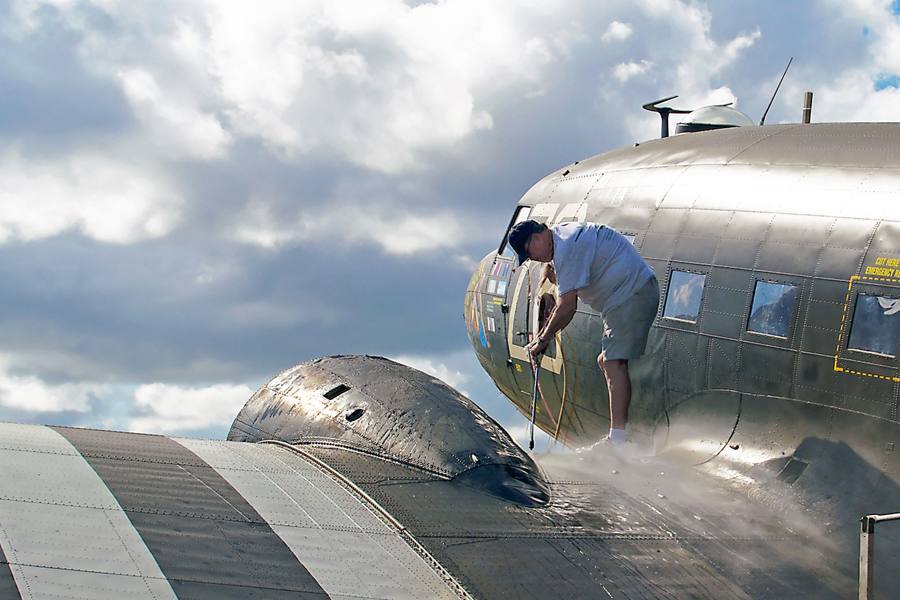
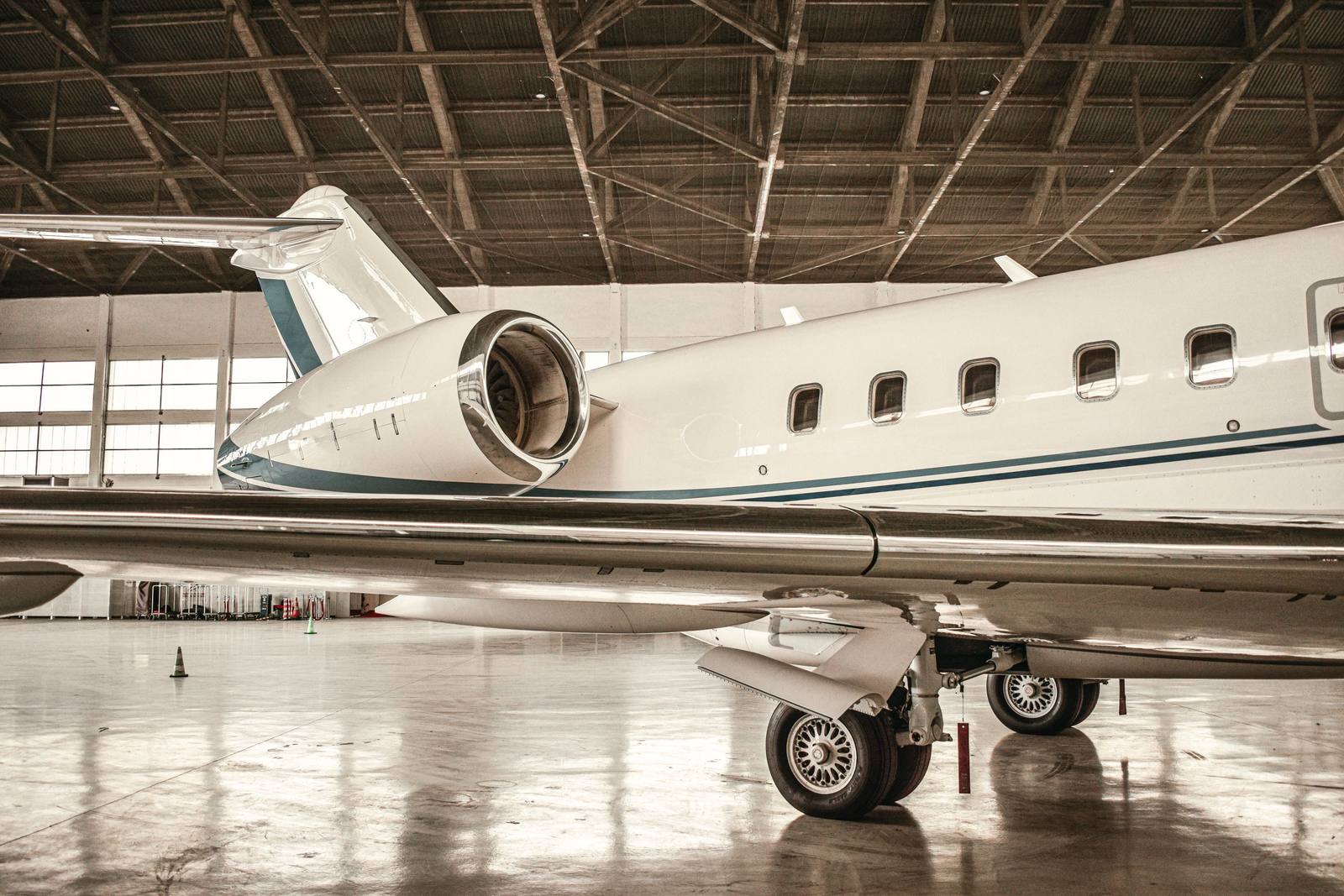
Detailing is cosmetic. It covers cleaning and conditioning the exterior finish, transparencies, and cabin surfaces using methods the aircraft and material manufacturers allow. It does not include moving the aircraft, operating systems, removing panels or components, repairs or any return to service. Those belong to the owner, the operator, or a certificated mechanic or repair station.
Cleaning does have a maintenance connection that owners should understand. The FAA’s corrosion control advisory circular treats regular cleaning as part of a broader corrosion program, because dirt and residue can hold moisture against surfaces. That does not mean a detail prevents corrosion. It means a clean surface is easier for the owner and the mechanic to inspect.
A short decision guide
- The aircraft looks dull or dirty but is otherwise in good shape: start with exterior aircraft cleaning.
- Passengers or a broker will see the cabin soon: consider interior detailing with a clear list of materials on board.
- The aircraft flies often and stays busy: a recurring care plan keeps the work smaller and more predictable.
- You are preparing to list the aircraft: pre-sale detailing focuses on presentation for photos and showings.
Paint correction, brightwork polishing and ceramic coatings are proposed offerings and are best discussed case by case after the finish has been looked at.
Regional conditions worth planning around
Northwest Arkansas has distinct seasons. Spring pollen and summer insects are common topics among owners, and aircraft parked outdoors collect more of both than hangared ones. Rather than relying on a fixed calendar, many owners schedule cleaning around their own flying: after a run of trips, before passengers, before storage, and before a sale.
Your aircraft’s maintenance manual and the manufacturers of its paint, windows and interior materials set the rules for products and methods. A careful detailer will ask about those documents rather than assume.
Planning a first job
- Note where the aircraft is based and whether it is in a hangar, a shared hangar or a tie-down.
- Identify the FBO or hangar owner who would need to approve the work.
- List the aircraft make, model and any known finish details (paint type, coatings, aftermarket windows, leather or fabric).
- Decide on scope: exterior, interior, or both.
- Share timing constraints such as upcoming trips or maintenance visits.
For a fuller set of vetting questions, see choosing an aircraft detailer in Northwest Arkansas, and for access specifics, read mobile aircraft detailing access questions.
Requesting a quote
A useful request names the airport, where the aircraft sits on the field, the make and model, and the scope you have in mind. Photos help. Send those details through the quote request form and we will discuss scope and what would need to be confirmed with the airport before any date is set.
Sources
- Airport Info (directory of Arkansas public airports, with individual airport pages) (Arkansas Department of Commerce, Division of Aeronautics)
- About XNA (Northwest Arkansas National Airport)
- Advisory Circular 150/5190-8, Minimum Standards for Commercial Aeronautical Activities (Federal Aviation Administration)
- Advisory Circular 43-4B, Corrosion Control for Aircraft (Federal Aviation Administration)
This article is general information about cosmetic aircraft care. It is not maintenance guidance. Your aircraft's manufacturer documentation and your maintenance provider take precedence.