Planning a Detail Near Fayetteville's Drake Field
Drake Field (FYV) is owned and operated by the City of Fayetteville. What that means for owners planning a detail, from T-hangar leases to on-field businesses.
NWA Aircraft Detailing Editorial · · 4 min read
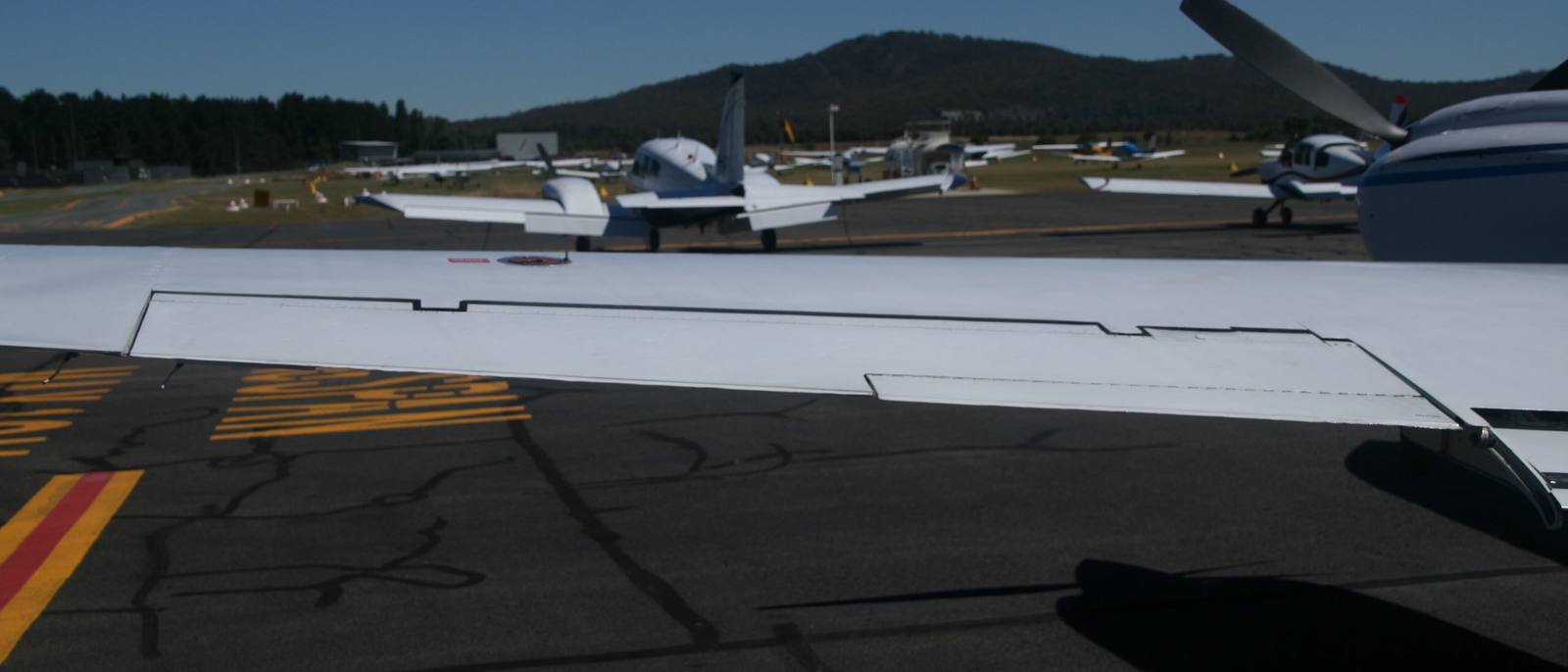
Drake Field is a city-run general aviation airport with a long history, and that shapes how a detail gets arranged there. Because the City of Fayetteville owns and operates the field, the city is often the first stop for questions about where outside work can happen, alongside whoever controls the hangar your aircraft occupies. Owners who start with those conversations, then define a clear cosmetic scope, usually have the easiest time.
A field with its own history
According to the City of Fayetteville, the airport traces back to 1929, when University of Arkansas geology professor Dr. Noah Drake donated money to buy land for a city airport. Residents later approved a bond to buy the present site, and the field was officially named Drake Field in 1947. The city notes that for half a century Drake Field carried commercial airline service for Northwest Arkansas, until the larger regional airport opened in the late 1990s. Today the city describes Drake Field as a general aviation airport.
The Arkansas Division of Aeronautics lists the field as city owned, about 3 miles south of the Fayetteville city center, with one runway, 16/34. The city’s page also points to the Arkansas Air and Military Museum, a list of businesses operating on the field, T-hangar leasing, and FBO reservations.
What city operation means for owners
At some airports, a private FBO controls most ramp and hangar decisions. At Drake Field, the city’s Aviation Division is responsible for developing, operating and maintaining the airport, and the city’s page handles items such as T-hangar leasing and FBO bookings.
The city’s published minimum standards go further. They state that no entity “shall conduct any activity at the Fayetteville Executive Airport, Drake Field, unless a valid agreement authorizing such activity has been entered into between the entity and the City of Fayetteville,” with an exception for transient aircraft operations. The standards do not list aircraft detailing as its own category, but the general rule means an outside provider should expect to need a written agreement with the city before working on the field. In practical terms:
- If you lease a city T-hangar, check your lease and ask airport administration whether outside contractors may work in or around it, and under what conditions.
- If your aircraft is in a privately controlled hangar or with a business on the field, that business or hangar owner also needs to agree.
- If your aircraft is on the ramp, ask where cleaning may take place and how wash water should be handled.
NWA Aircraft Detailing does not claim hangar space, an office, vendor authorization or an FBO relationship at Drake Field. You can request service at this airport, subject to airport and facility approval and availability.
Keeping detailing separate from shop work
Because Drake Field hosts a range of on-field businesses, an aircraft may be at a maintenance shop, waiting for one, or just out of one when a detail is requested. That makes it worth being clear about boundaries.
Federal rules list a set of preventive maintenance items in Appendix A to 14 CFR Part 43, and some of them sound cosmetic. Refinishing decorative coatings, for example, appears on that list with conditions attached. Detailing is narrower than that. It is cleaning and conditioning surfaces, not refinishing, repairing, removing fairings or panels, or anything that requires a maintenance record entry. If a job starts to drift toward those tasks, it belongs with the owner (where the regulations allow), a certificated mechanic or a repair station.
A simple rule of thumb:
| Task | Who handles it |
|---|---|
| Washing, drying, interior vacuuming and wiping, cosmetic cleaning of transparencies per manufacturer guidance | Detailer |
| Touch-up painting, refinishing, repairing chips or cracks | Owner where permitted, mechanic or repair station |
| Removing panels, fairings, seats or components | Mechanic or repair station |
| Moving or towing the aircraft | Owner, operator or FBO |
If your aircraft is with a shop, ask them whether they would prefer it cleaned before or after their work. Some technicians appreciate a cleaner aircraft for inspection, and others would rather finish first. Coordinating detailing with your aircraft’s existing schedule covers this sequencing.
Older aircraft and bare metal
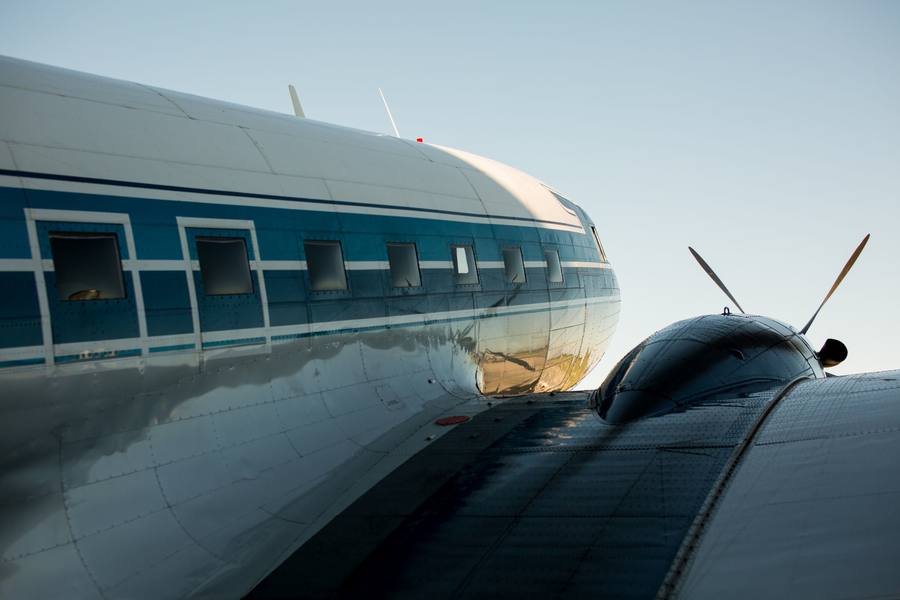
General aviation fields everywhere include older aircraft, some with polished aluminum, aging paint or original interiors. Those finishes call for extra caution. Polished metal and brightwork can scratch or haze if the wrong method is used, and older paint may not tolerate products that a newer finish handles fine. Polishing and brightwork work is a proposed offering that should be discussed only after the surface has been looked at. Questions to ask before polishing brightwork is a good place to start, and the polishing and brightwork page explains how that work would be scoped.
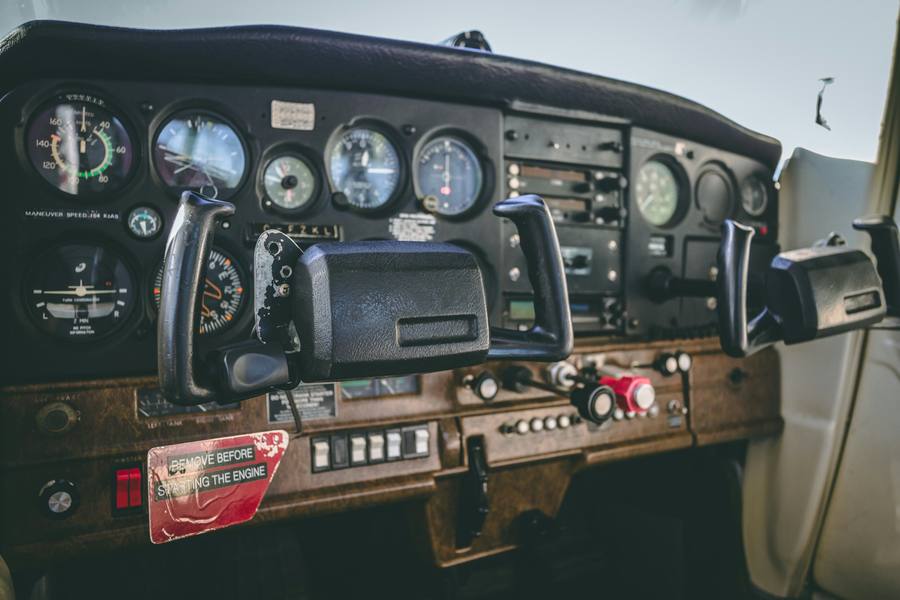
For piston singles and twins, which make up much of general aviation, detailing considerations for piston aircraft covers exhaust staining, oil residue on belly panels and other common items.
In every case, the aircraft’s maintenance manual and the paint, transparency and interior manufacturers decide what products are acceptable.
Questions to settle before you request a date
- Who controls the space where the aircraft sits: the city, a business on the field or a private hangar owner?
- Is the aircraft with a shop or due for one soon?
- Are there finish details to share, such as bare metal, older paint, a coating or aftermarket windows?
- Do you want exterior cleaning, interior work, or both?
Requesting service at Drake Field
Tell us where the aircraft is stored at Drake Field, who would approve outside work there, whether a shop is involved, and the finish details you know. Use the Fayetteville quote request, and see the Fayetteville location page for more on the field.
Sources
- About Drake Field (City of Fayetteville)
- Fayetteville Municipal, Drake Field (FYV) (Arkansas Department of Commerce, Division of Aeronautics)
- Airport Minimum Standards, Fayetteville Executive Airport, Drake Field (City of Fayetteville)
- 14 CFR Appendix A to Part 43, Major Alterations, Major Repairs, and Preventive Maintenance (Legal Information Institute, Cornell Law School (e-CFR text))
This article is general information about cosmetic aircraft care. It is not maintenance guidance. Your aircraft's manufacturer documentation and your maintenance provider take precedence.