Aircraft Detailing After a Busy Travel Season
How to reset an aircraft after months of heavy use: cabin wear, exhaust and belly grime, a condition review, and deciding what kind of care comes next.
NWA Aircraft Detailing Editorial · · 4 min read
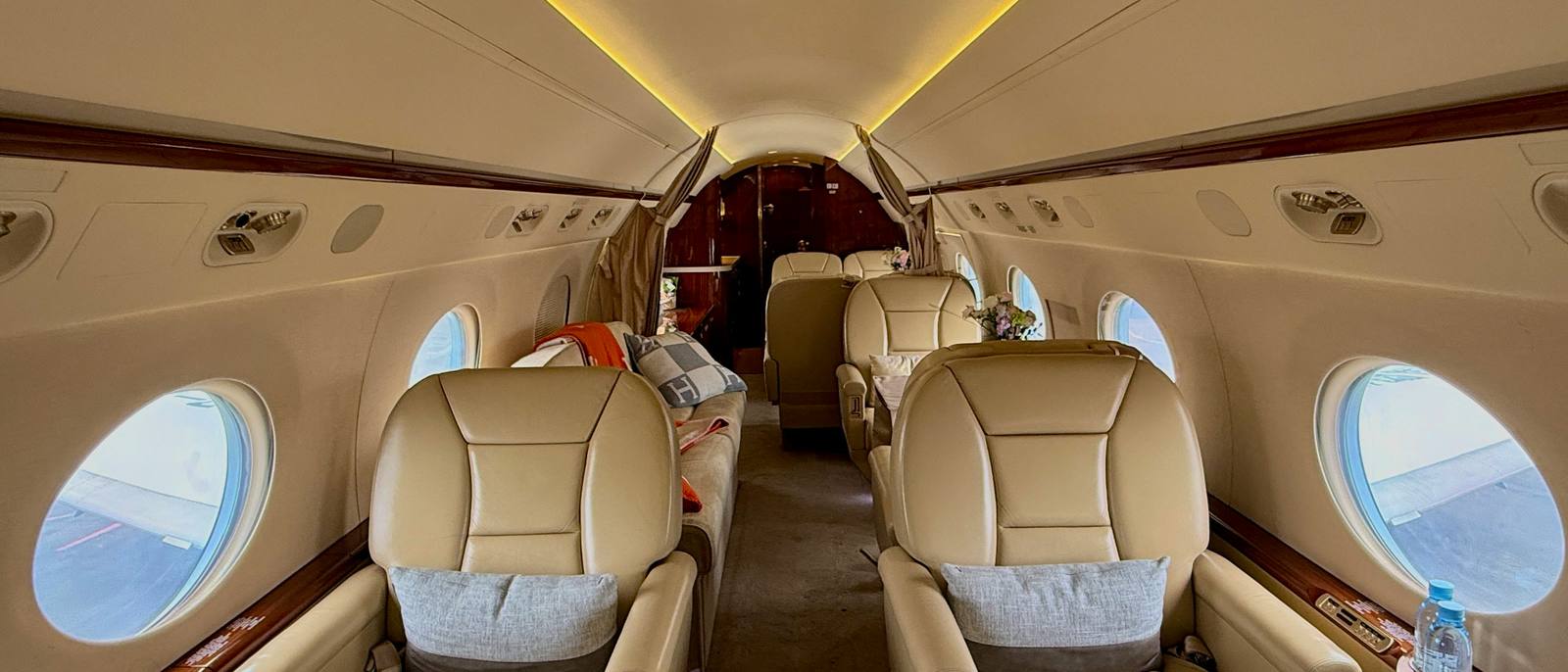
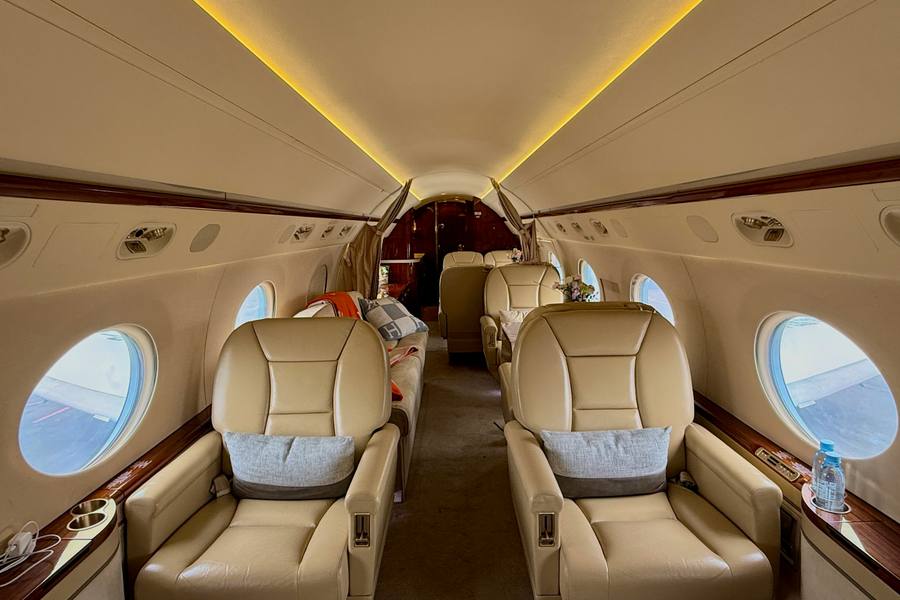
After a busy travel season, an aircraft usually needs a reset that goes deeper than the quick turns between trips. Months of passengers, luggage, catering, and short ground times leave wear in the cabin, while frequent flying builds up exhaust staining, belly grime, and residue on forward surfaces. A season-end detail is a chance to clean thoroughly, take stock of the aircraft’s cosmetic condition, and decide how care should work before the next busy stretch.
What a heavy season leaves behind
Busy seasons differ by operator. For some it is summer vacation flying; for others it is a stretch of business travel, sporting events, or holiday trips. The pattern of wear is similar either way.
In the cabin:
- Ground-in soil in carpet along the aisle and at the entry
- Body oils and wear on leather armrests, seat tops, and frequently used seats
- Spills and stains in cupholders, side ledges, and galley areas
- Debris in seat tracks, side pockets, and under seats
- Smudges on side panels, window shades, and cabinetry
- Odors from food, beverages, and closed-up storage between trips
The FAA’s Aviation Maintenance Technician Handbook groups the cabin areas that need periodic cleaning into passenger cabin areas (seats, carpets, side panels, headliners, overhead racks, windows, doors, and decorative panels), flight station areas (including instrument panels, control pedestals, and glare shields), and lavatories and buffets. After a busy season, all three usually need attention.
On the exterior:
- Exhaust staining along the nacelles, aft fuselage, or belly, depending on the aircraft
- Oil and grime film on the belly
- Insect residue on leading edges, the nose, and the windshield
- Brake dust and grime around the gear
- Dulled finish from repeated quick wipe-downs instead of full washes
Exhaust and belly grime need more than a quick wipe
Exhaust deposits are a specific concern on frequently flown aircraft. FAA Advisory Circular 43-4B notes that both jet and reciprocating engine exhaust deposits are very corrosive, and that gaps, seams, hinges, and fairings are areas where exhaust deposits may be trapped and normal cleaning methods cannot reach. The AC’s guidance on inspecting those areas includes removing fairings and access plates, which is maintenance work for a certificated mechanic, not detailing.
What detailing can do is clean the exterior surfaces thoroughly, using methods and products allowed by the aircraft and paint system manufacturers, and note where staining is heavy or persistent so the owner can raise it with maintenance. Understanding Aircraft Belly Grime goes into the underside in more detail. Cleaning is cosmetic and is not a substitute for inspection or a corrosion control program.
Take stock with a condition review
A post-season detail is a natural point to review the aircraft’s cosmetic condition. Useful things to record:
| Area | What to note |
|---|---|
| Seats and leather | Wear patterns, creasing, color transfer, any damage |
| Carpet | Stains that did not lift, wear at entry and aisle |
| Cabinetry and trim | Scratches, chips, loose trim |
| Transparencies | Scratches or crazing, cabin windows and windshield |
| Paint | Chips on leading edges and nose, dull areas, staining that did not wash out |
| Brightwork | Dulling or tarnish, if the aircraft has polished surfaces |
A record like this helps the owner decide what is cosmetic, what needs an interior shop, and what should go to a mechanic. What a Useful Detailing Condition Record Should Include covers how to structure it. Repairs to interiors, transparencies, or paint are handled by the appropriate shop, not by a detailer.
Cabin work that fits a post-season reset
A post-season interior detail is usually more thorough than a between-trip turn. It often includes vacuuming in seat tracks and under seats, carpet cleaning appropriate to the material, leather cleaning and conditioning with compatible products, and careful cleaning around displays and controls in the cockpit. The FAA handbook also cautions that cabins are small enclosures where cleaning agents can build up vapors, and it calls for ventilation during cleaning, which affects how and where the work is scheduled.
For aircraft that fly often year-round, Cabin Care for Frequently Used Business Aircraft looks at keeping a cabin in shape between resets.
Deciding what comes next
The end of a busy season is also a good time to look back at how care went. Some useful questions:
- Did the aircraft go long stretches between full washes because of tight turns?
- Did cabin wear build faster than expected in specific areas?
- Were there trips where the aircraft was not as presentable as you wanted?
- Is a slower season coming, and will the aircraft sit?
- Is a sale, a lease change, or a management change on the horizon?
If the answers point to a need for regular attention, Recurring Aircraft Care Versus One-Time Detailing compares the two approaches. If the aircraft will sit after the season, planning for storage matters; Fall Aircraft Cleaning and Storage Planning covers that. If a sale is likely, a post-season reset can lead into pre-sale detailing.
Scheduling around maintenance
Many operators schedule maintenance once the busy season ends. If shop work is coming, it often makes sense to coordinate so the interior and exterior are not soiled again right after the detail. Ask your maintenance provider about timing when you book.
Requesting a post-season detail
When you request a quote, include the aircraft type, home airport, roughly how much it flew this season, the areas of the cabin and exterior that concern you most, and photos if you have them. Mention any upcoming maintenance or sale plans so the timing makes sense. Access at any airport is subject to airport and facility approval.
Sources
- Aviation Maintenance Technician Handbook: General (FAA-H-8083-30B), Chapter 8, Aircraft Cleaning and Interior Cleaning (Federal Aviation Administration)
- Advisory Circular 43-4B, Corrosion Control for Aircraft (Chapter 4, Exhaust Trail Areas) (Federal Aviation Administration)
This article is general information about cosmetic aircraft care. It is not maintenance guidance. Your aircraft's manufacturer documentation and your maintenance provider take precedence.