Aircraft Care Considerations for Rogers Owners and Operators
For flight departments and owners at Rogers Executive Airport (ROG): planning detailing around trip schedules, security, hangar policies and crew handoffs.
NWA Aircraft Detailing Editorial · · 4 min read

At an airport where business flying is the main activity, aircraft care is a scheduling and coordination problem as much as a cleaning one. Rogers Executive Airport describes business aviation as the majority of its traffic, which means many aircraft there are managed by flight departments or management companies with tight trip calendars, security procedures and hangar rules. Detailing works best when it is planned around those systems instead of squeezed in between them.
What the airport says about itself
The City of Rogers presents the field as Rogers Executive Airport, Carter Field (ROG). The Arkansas Division of Aeronautics lists it as city owned and about 2 miles north of the Rogers city center. According to the city, the airport has a 6,011 by 100 foot runway, an air traffic control tower, an instrument landing system, roughly 311,000 square feet of hangar space, 24/7 security and aircraft rescue and firefighting protection on site. The city names Beaver Lake Aviation as the full-service FBO and notes the airport’s proximity to the Walmart corporate headquarters and to Beaver Lake.
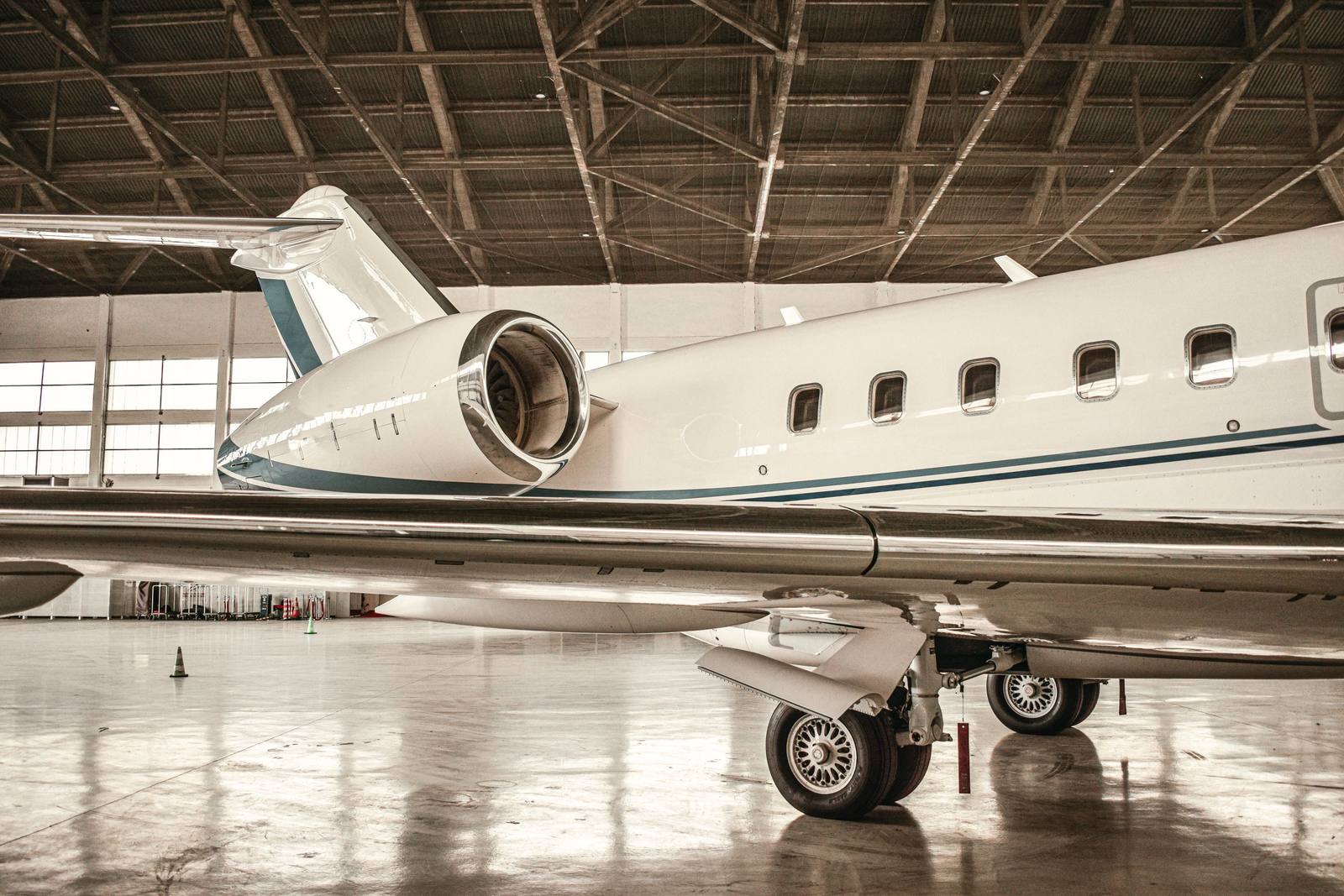
Those details tell an owner a few practical things. Many aircraft on the field are stored indoors. Access to the ramp and hangars is controlled. And the people who decide whether outside work can happen on a given day are often an FBO, a hangar owner or a flight department manager, not the aircraft’s registered owner alone.
Who is usually making the decision
At a business-oriented field, the person requesting a detail may be:
- A chief pilot or director of aviation who needs the aircraft ready for a specific departure.
- A management company handling several aircraft for different owners, each with its own standards.
- An owner-pilot flying a turboprop or light jet for business and keeping it in a private or shared hangar.
- A scheduler or executive assistant coordinating around a principal’s travel.
Each has different information. A good request pulls together the aircraft’s location, the approving facility contact, the trip calendar and any cabin standards the principal or operator expects.
Plan around the trip, not the calendar
Business aircraft often fly in bursts. A cabin can go from presentable to cluttered in one long day with passengers, catering and luggage. Rather than a fixed monthly visit, many operators find it easier to tie care to the flight schedule:
| Trigger | Typical focus |
|---|---|
| Return from a multi-leg trip | Cabin reset: seats, carpet, galley surfaces, lavatory, trash, touch points |
| Before a principal or guest flight | Presentation items: leather, wood veneer, windows from inside, entry area |
| After a stretch of outdoor ramp time | Exterior wash with attention to belly, leading edges and wheel areas |
| Ahead of scheduled maintenance | Light cleaning only, after coordinating with the maintenance provider |
That last row matters. Detailing should never get in the way of maintenance or inspection work, and it does not include opening panels, removing components or operating aircraft systems. If an aircraft is about to go into a shop, ask the maintenance provider whether they would prefer it cleaned before or after.
For more on fitting care into an operating schedule, see coordinating detailing with your aircraft’s existing schedule.
Security, access and approvals
The FAA encourages airports that take federal grants to adopt minimum standards for commercial aeronautical activities. Whether or not a specific field applies them to detailing, owners should expect an outside provider to be asked about insurance, approvals and conduct on the ramp. At a field with round-the-clock security and controlled hangars, a visit generally has to be cleared in advance with whoever controls the space.
NWA Aircraft Detailing does not claim hangar space, an FBO partnership or existing access at Rogers. You can request service at this airport, subject to airport and facility approval and availability. Water use, where wash runoff may go, and working hours inside a hangar are confirmed for each job.
Cabin materials deserve the closest attention
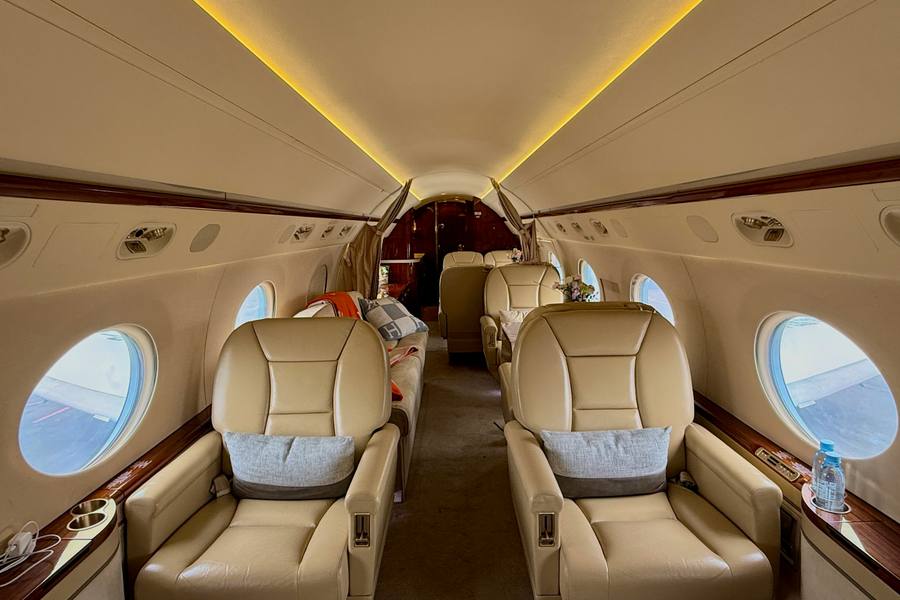
Business aircraft interiors often combine finished leather, wood veneer, high-gloss trim, carpet and cockpit displays. Each has its own care guidance from the interior shop or the material manufacturer. A careful provider will ask for that information, test inconspicuously when appropriate, and stay within cosmetic cleaning around avionics and displays. Our aircraft interior detailing page outlines how scope is set, and cabin care for frequently used business aircraft goes deeper on high-use cabins.
The aircraft’s maintenance manual and its interior and paint documentation govern what products and methods are acceptable. Where no aircraft-specific documentation is available, the conservative choice is to clean less aggressively and ask.
When recurring care makes sense
Operators who fly regularly often prefer a standing arrangement so cabin and exterior condition never drift far. A recurring care plan can be built around a flight department’s rhythm, with a short checklist the crew can review after each visit.
Requesting service at Rogers
A strong request for Rogers includes the aircraft type, where it is stored (FBO hangar, private hangar or ramp), the name of the person who approves outside work there, the next departure you need to work around, and any cabin standards that apply. Send those through the Rogers quote request, and see the Rogers location page for more background.
Sources
- Rogers Executive Airport, Carter Field (City of Rogers)
- Rogers Municipal, Carter Field (ROG) (Arkansas Department of Commerce, Division of Aeronautics)
- Advisory Circular 150/5190-8, Minimum Standards for Commercial Aeronautical Activities (Federal Aviation Administration)
This article is general information about cosmetic aircraft care. It is not maintenance guidance. Your aircraft's manufacturer documentation and your maintenance provider take precedence.