Paint Protection and Presentation
Aircraft Presentation Before an Event or Owner Gathering
Planning a detail before a fly-in, static display, or owner gathering: lead time, facility approval, flying to the venue, day-of touch-ups, and what to skip.
NWA Aircraft Detailing Editorial · · 4 min read
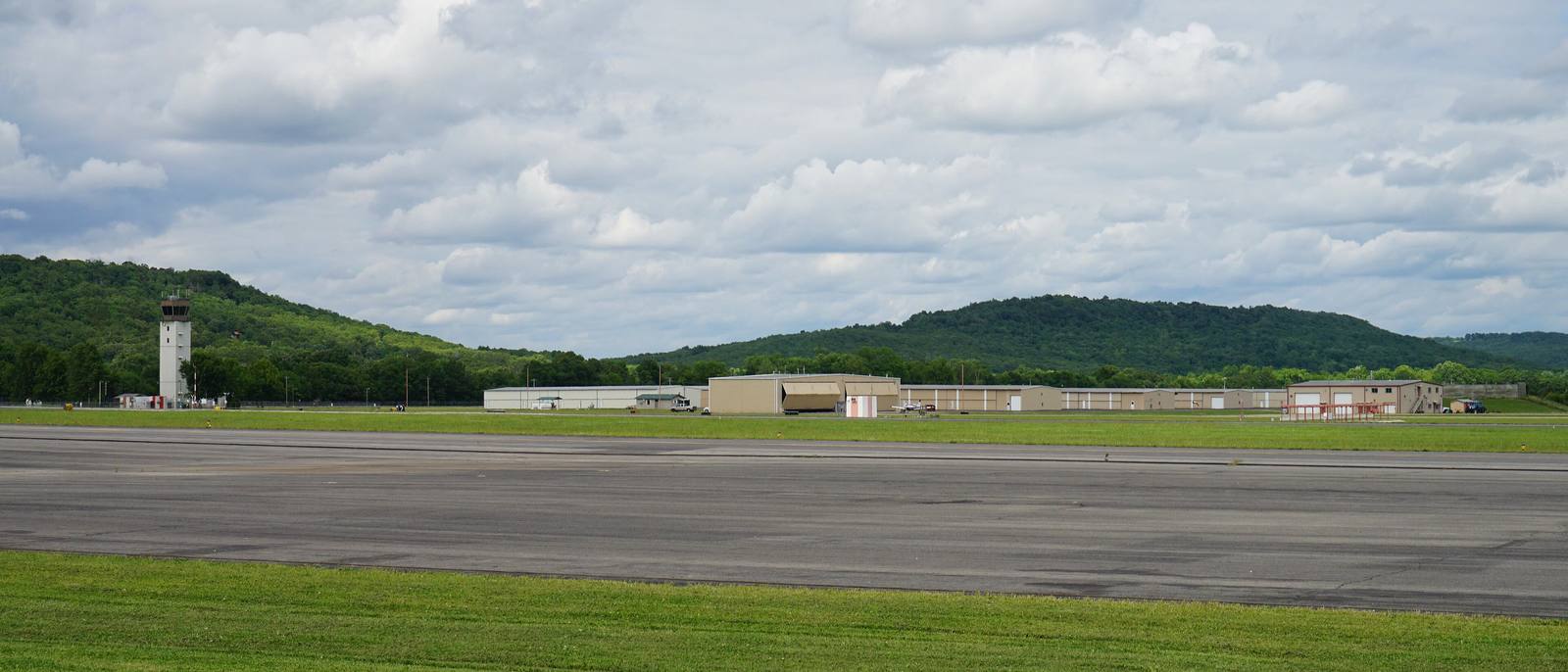
Preparing an aircraft for an event, whether a fly-in, a static display, a company open house, or an owner gathering, is mostly a planning problem. The full detail should happen far enough ahead to allow for weather and schedule changes, with a light touch-up plan for the day itself, especially if the aircraft has to fly to the venue. Facility approval at the event location is part of the plan, not an afterthought.
Start with the event, not the detail
A few facts shape everything else:
- Where is the event? At the home airport, or somewhere the aircraft has to fly to?
- How will the aircraft be displayed? Parked on a ramp, inside a hangar, or with the cabin open to visitors?
- When does it need to be ready? Arrival time matters more than the event start time.
- Who will be around it? Static displays with visitors mean fingerprints, and possibly people leaning on surfaces.
Once those are known, the detail can be scheduled backward from the arrival time.
Lead time and backups
Plan the full detail with room to spare. Rain, pollen, a schedule change, or a maintenance item can all push it. A reasonable approach is to detail a few days before the event and keep a backup slot, then do a shorter refresh closer to the date. Our article on coordinating detailing with your aircraft’s schedule covers how to fit this around inspections and trips.
If maintenance is due before the event, have it done first. Work by a mechanic can leave fingerprints, residue, or open panels that undo a fresh detail.
If the aircraft flies to the venue
A ferry flight changes the plan. Even a short leg can add:
- Bug residue on leading edges, the nose, and windshield, especially in warm months
- Exhaust staining and belly film
- Dust and fingerprints from the departure and arrival process
Plan a touch-up at the destination, and confirm in advance where that can happen. Residue removal is easier while it is fresh, which our article on bug residue on leading edges explains.
Facility and ramp approval
Do not assume a detailer can work anywhere on an airport. FAA Advisory Circular 150/5190-7 describes how airport sponsors may require independent operators performing services such as aircraft washing to go through a licensing or permitting process. Event venues often have their own rules about water use, products, and where work can happen near displays.
Before the event, confirm with the host airport, FBO, or event organizer:
- Whether outside service providers are permitted
- Where touch-up work can take place, and when
- Whether water is available or only waterless methods are allowed
- Any restrictions on products near crowds or other aircraft
Day-of touch-up
On the day, the goal is a quick, gentle refresh, not a second detail. The FAA General handbook describes dry wash as a method for removing airport film, dust, and small accumulations of dirt when liquids are not practical, and notes that it is not suitable for heavy deposits of carbon, grease, or oil. That fits the day-of situation well, provided the product suits the finish. See what owners should know about dry-wash methods.
A day-of kit might cover:
- Clean microfiber cloths, kept separate for paint, glass, and interior
- A waterless cleaner the aircraft’s documentation and finish permit
- Transparency cleaner appropriate to the material
- A small vacuum or brush for the cabin
- Trash bags
If something unexpected lands on the paint, Duncan Aviation’s finish care guide says bird droppings are acidic and should be washed off as soon as possible, and fuel or oil spills should be rinsed with water rather than wiped. Plan for how that would be handled at the venue.
Interior for open-cabin displays
If visitors will look inside or sit in the aircraft, think about:
- Removing personal items and anything that should not be handled
- Protecting carpet at the entry, if the owner wants that
- A mid-event wipe of high-touch areas
- A plan for what is and is not open to visitors, decided by the owner or crew
Protective mats, covers, or barriers are the owner’s or organizer’s choice, and should not block vents, ports, or other openings.
What to leave alone
An event deadline is not a reason to rush work that needs time. Leave these for another day:
- Any paint correction, polishing, or coating application (these are proposed offerings and need proper evaluation regardless)
- Touch-up painting, which is paint shop work
- Anything involving panels, systems, or moving the aircraft, which belongs to the owner, operator, or a mechanic
Event timeline at a glance
| When | Task |
|---|---|
| Weeks ahead | Confirm venue rules, ferry plans, and maintenance timing |
| A few days before | Full exterior and interior detail, with backup date |
| Arrival at venue | Touch-up for bugs, dust, and fingerprints |
| During the event | Quick wipes of high-touch areas, as allowed |
| After the event | Cabin and exterior refresh before the next trip |
Requesting an event detail
When you request a quote, include the event date, the venue, whether the aircraft will fly there, how it will be displayed, and any venue rules you already know. If the aircraft is on a recurring care plan, mention the event so the schedule can be adjusted around it.
Sources
- Aviation Maintenance Technician Handbook, General (FAA-H-8083-30A), Chapter 8: Cleaning and Corrosion Control (Federal Aviation Administration)
- Advisory Circular 150/5190-7, Minimum Standards for Commercial Aeronautical Activities (Federal Aviation Administration)
- Aircraft Exterior Finish Maintenance Guide (Duncan Aviation)
This article is general information about cosmetic aircraft care. It is not maintenance guidance. Your aircraft's manufacturer documentation and your maintenance provider take precedence.